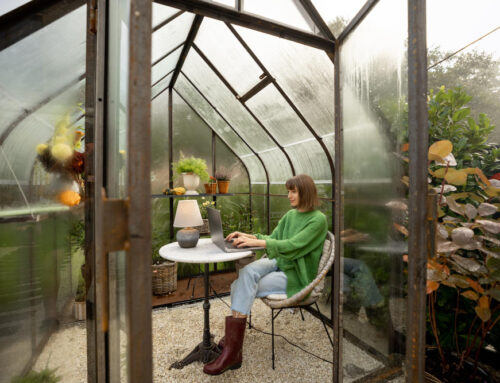
A conservatory can be a wonderful addition to any home. It brings in natural light, offers beautiful views of the garden, and adds extra living space that can be used for dining, relaxing, or even working.
But while the idea of a glass-filled room sounds appealing, the reality for many homeowners is that traditional conservatories can be too hot in summer and too cold in winter.
The key to turning a conservatory into a comfortable, usable space all year round lies in the roof. Choosing the right conservatory roof can dramatically improve thermal performance, reduce glare, and make the room feel like a true extension of your home.
In this guide, we’ll explore the best conservatory roof options available today, comparing materials, insulation, aesthetics, and costs to help you find the perfect fit for your property.
Why the Conservatory Roof Matters
Older-style conservatories were often built with polycarbonate or single-glazed glass roofs, which offer very little insulation. As a result, they tend to:
- Overheat during sunny days
- Lose heat rapidly in winter
- Be noisy in the rain
- Suffer from glare and UV damage
- Add limited value to the home
Replacing the roof with a modern alternative can transform your conservatory into a true year-round living space, reducing your energy bills and improving comfort, acoustics, and style.
Key Factors to Consider When Choosing a Conservatory Roof
Before looking at specific options, it’s important to assess your needs and priorities:
- Thermal efficiency: Will the roof keep the room warm in winter and cool in summer?
- Natural light: How much daylight do you want to preserve?
- Noise reduction: Do you want better sound insulation from rain and outside noise?
- Aesthetics: Should the roof match the look of your home?
- Planning regulations: Some roof types may require planning permission or building regulations approval.
- Budget: What’s your available budget for the upgrade?
Understanding your goals will help you choose the most suitable roof type for your conservatory.
Tiled Conservatory Roofs (Solid Roofs)
Best for: All-year-round use, energy efficiency, and blending with your home’s architecture
Tiled or solid conservatory roofs are one of the most popular upgrades for homeowners wanting to convert their conservatory into a fully functional living space. These roofs are constructed using lightweight materials (such as synthetic tiles or composite panels) that mimic traditional roofing.
Advantages
- Excellent insulation and thermal performance
- Comfortable in both summer and winter
- Reduced external noise
- Can incorporate roof windows or skylights for natural light
- Matches the existing roof of your home
- Makes the conservatory feel like a true extension
Considerations
- Reduces the amount of natural light compared to glass roofs
- Typically the most expensive option
- May require structural reinforcement and building regulations approval
- Installation is more complex and takes longer
Ideal Use Cases
- Converting a conservatory into a home office, dining room, or second lounge
- Homes where the conservatory feels disconnected due to poor temperature control
- Properties seeking an extension-like appearance from the outside
Glass Conservatory Roofs (Double or Triple Glazed)
Best for: Maximising natural light and maintaining a traditional conservatory feel
Modern glass roofs have come a long way from the single-glazed versions used in the past. High-performance glass options now offer impressive thermal efficiency, UV protection, and noise reduction while maintaining the light and airy feel that conservatories are known for.
Advantages
- Abundant natural light
- Better insulation than polycarbonate
- Low-emissivity (Low-E) coatings reduce heat loss
- Tinted or solar control glass helps prevent overheating
- Available with self-cleaning coatings
Considerations
- Still less thermally efficient than solid or tiled roofs
- Glare and heat gain can be an issue on very sunny days
- Not ideal for privacy if overlooked
Ideal Use Cases
- Conservatories used for plant-growing or as sunrooms
- Homeowners who prioritise daylight and garden views
- Properties where a lighter visual structure is desired
Hybrid Conservatory Roofs (Part Solid, Part Glazed)
Best for: A balance between natural light and thermal efficiency
Hybrid roofs combine the benefits of both glass and solid roofs. Typically, these roofs have solid panels for insulation, interspersed with glass sections (such as glazed panels or skylights) to allow light to enter the space.
Advantages
- Excellent balance of light and comfort
- Retains a conservatory feel while improving usability
- Reduced glare compared to full glass
- High thermal performance
- Can be customised with spotlights or skylights
Considerations
- More expensive than full-glass options
- May still need building regulations approval
- Slightly less light than a fully glazed roof
Ideal Use Cases
- Families looking to use the conservatory as a living space all year round
- Homes in cooler climates where insulation is a priority
- Those who want light but dislike full-glass roofs due to privacy or glare
Polycarbonate Conservatory Roofs
Best for: Budget-conscious installations or temporary solutions
Polycarbonate was the go-to material for conservatory roofs for many years due to its affordability and ease of installation. However, it falls short in terms of insulation, comfort, and noise control.
Advantages
- Low cost
- Lightweight and easy to install
- Allows light transmission
Considerations
- Poor insulation—gets too hot in summer, too cold in winter
- Noisy during rain or hail
- Can become discoloured or brittle over time
- Limited lifespan compared to modern alternatives
Ideal Use Cases
- Low-cost conservatories used only during warmer months
- Garden rooms or occasional-use spaces
- Temporary structures
While polycarbonate may be suitable for certain budgets or short-term needs, it’s generally considered outdated compared to newer materials.
Roof Lanterns and Skylights
Best for: Adding light to solid or hybrid roofs
If you choose a tiled or solid roof but still want to bring in natural light, roof lanterns or skylights are an excellent addition. These glazed sections are installed into the solid roof to illuminate the space below.
Advantages
- Introduces natural light into darker areas
- Creates a striking visual feature
- Available in various sizes and styles
- Helps maintain a connection with the outdoors
Considerations
- Adds cost to a solid roof installation
- Requires careful design to avoid overheating
- May require additional structural support
Ideal Use Cases
- Kitchen extensions with solid roofs
- Dining areas or lounges where overhead light is needed
- Properties aiming for a luxury feel
Other Considerations When Replacing a Conservatory Roof
Building Regulations
Replacing a conservatory roof—especially if you’re upgrading to a solid or tiled version—often requires building regulations approval, as it may change the thermal performance and structural integrity of the space. You may also need to ensure proper ventilation, lighting, and load-bearing support.
Planning Permission
In most cases, roof replacements fall under permitted development rights and don’t require full planning permission. However, if your property is listed, in a conservation area, or if you’re making significant changes to the height or appearance, you may need consent.
Interior Finishes
The choice of roof can affect the interior finish:
- Tiled roofs can include plastered ceilings, spotlights, and integrated lighting
- Glass roofs allow for open, airy interiors but may need shading solutions
- Hybrid roofs offer options for both finishes and lighting
Consider how the ceiling will look and function in daily use.
Energy Efficiency Ratings
Look for roofs with low U-values (which measure heat transfer). The lower the U-value, the better the insulation. A well-insulated conservatory roof can significantly reduce your heating bills and make the space more sustainable.
Aesthetics and Roof Pitch
Make sure the new roof suits the existing structure and complements your home’s style. The roof pitch (slope) may need to be adjusted or preserved to ensure a good visual and structural fit.
Cost Comparison of Conservatory Roof Options
Prices vary based on size, complexity, and materials, but here’s a rough guide:
- Tiled Roof: £6,000 – £15,000
- Glass Roof: £4,000 – £10,000
- Hybrid Roof: £5,000 – £12,000
- Polycarbonate Roof: £2,000 – £4,000
- Roof Lantern (as part of solid roof): £1,500 – £3,500
While tiled and hybrid roofs cost more upfront, they provide greater long-term value through comfort, energy savings, and property appeal.
Which Roof is Right for You?
Still not sure which option to go for? Here’s a quick summary to help you decide:
- If you want a space you can use all year round – A tiled or hybrid roof offers the best thermal performance and comfort in both hot and cold weather.
- If you love natural light and garden views – A glass roof is ideal, especially with modern glazing options that reduce glare and help regulate temperature.
- If you want the best of both worlds – A hybrid roof gives you solid insulation with strategically placed glazing for light and style.
- If you’re on a tight budget or need a temporary fix – A polycarbonate roof is the most affordable, though it comes with compromises in comfort and performance.
- If you want to add value and create a true extension feel – A tiled roof with integrated roof lights gives you that permanent, high-end look that appeals to buyers and boosts usability.
Final Thoughts
Upgrading your conservatory roof is one of the most effective ways to enhance comfort, energy efficiency, and usability. Whether you want to transform your conservatory into a cosy lounge, a bright office, or a stylish dining space, the roof plays a pivotal role in how the room performs throughout the seasons.
From modern glass and innovative hybrid designs to fully insulated tiled systems, today’s conservatory roof options offer something for every budget and lifestyle. By investing wisely, you’ll not only create a space you can enjoy all year—but you’ll also add lasting value to your home.
Before committing, get professional advice, check building regulations, and consider how the space fits into the wider design of your home. A thoughtful upgrade now can give you years of enjoyment and efficiency in return.