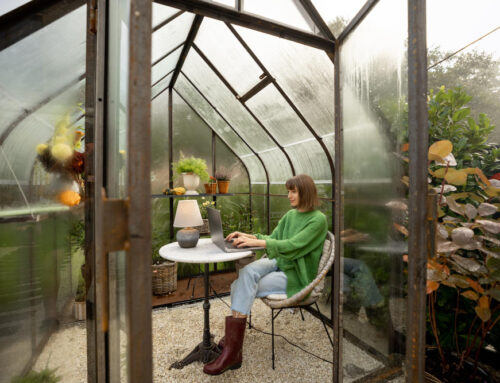
Outdoor rooms have grown in popularity as homeowners look for ways to extend their living space and connect with nature. These spaces are no longer just for summer; with the right design and features, they can be enjoyed in every season. A well-designed outdoor room combines shelter, warmth, and style to create a comfortable environment no matter the weather.
This guide explores how to plan, design, and equip an outdoor room for year-round usability. From shelter and heating to lighting and furnishings, each element plays a key role in creating a versatile space that works in all conditions.
Planning the Space and Layout
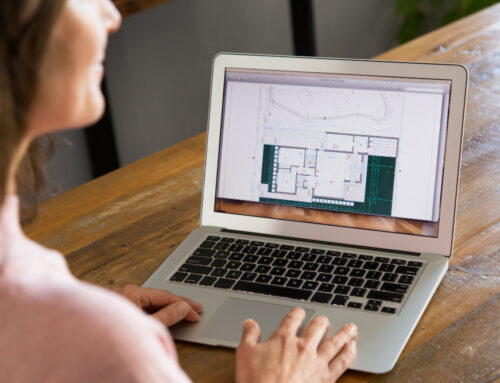
The first step in designing an outdoor room is deciding how it will be used and what layout best suits the available space. A clear plan helps ensure the area is functional and aesthetically pleasing. Careful planning also allows you to integrate the space seamlessly with the rest of the property.
- Identify the primary purpose of the space, whether it’s dining, relaxing, or entertaining.
- Choose a location with easy access from the house to encourage frequent use.
- Divide the area into zones for seating, cooking, and pathways if space allows.
- Ensure there is adequate room for movement and furniture placement.
Providing Shelter from the Elements
A year-round outdoor room must provide protection from rain, wind, and excessive sun. Shelter options vary from permanent structures to retractable systems, allowing you to control exposure depending on the season. Choosing the right solution ensures the space is inviting in all weathers.
- Install pergolas or louvered roofs to provide shade and partial cover.
- Consider fully enclosed structures with sliding panels or bi-fold doors.
- Use windbreak screens or hedging to block draughts and create privacy.
- Include overhangs or canopies to keep rain away from seating and dining areas.
Adding Heating for Cooler Months
To make an outdoor room comfortable in autumn and winter, heating is essential. There are many options available, from permanent installations to portable solutions, depending on budget and design. The goal is to create a cosy environment that encourages people to spend time outside.
- Install patio heaters or infrared panels for direct, efficient warmth.
- Add a fire pit or outdoor fireplace as a focal point and heat source.
- Consider underfloor heating for enclosed or partially enclosed spaces.
- Provide warm throws or blankets for additional comfort during colder evenings.
Maximising Natural and Artificial Light
Lighting transforms an outdoor room, making it safe and inviting after dark. A combination of natural daylight and well-placed artificial lights creates an atmosphere that works for both day and night. Good lighting design can highlight features and make the space usable year-round.
- Incorporate skylights or roof windows in enclosed structures for daylight.
- Use LED string lights or lanterns to create a warm, welcoming glow.
- Add task lighting around cooking or dining areas for practicality.
- Install motion-sensor or solar lights for energy-efficient security.
Choosing Durable, Weather-Resistant Materials
Outdoor rooms are exposed to the elements, so materials must be chosen for durability. Selecting products that can withstand rain, sun, and temperature changes will keep the space looking good and performing well over time. Maintenance should also be considered at the design stage.
- Opt for treated wood, metal, or composite materials for structures and furniture.
- Use outdoor-rated cushions, rugs, and fabrics that resist moisture and UV damage.
- Choose flooring such as porcelain tiles, stone, or decking designed for exterior use.
- Seal and protect surfaces regularly to extend their lifespan.
Integrating Outdoor Cooking Facilities
Cooking outdoors is one of the best ways to make use of a garden room throughout the year. Whether you choose a simple barbecue or a full outdoor kitchen, thoughtful planning ensures the space is practical and enjoyable to use in every season.
- Position cooking equipment under cover to protect against rain.
- Provide preparation surfaces and storage for utensils and ingredients.
- Ensure there is adequate ventilation and clearance for smoke and heat.
- Include lighting and power outlets for evening cooking sessions.
Creating Flexible, Multi-Season Furniture Layouts
Furniture should be comfortable but also adaptable to different uses and weather conditions. Flexible layouts allow you to rearrange the space for different occasions, from family meals to parties. Portable or modular furniture makes it easier to respond to seasonal needs.
- Choose lightweight, movable pieces that can be stored when not in use.
- Include modular seating that can be rearranged for groups or individuals.
- Add weatherproof storage to keep cushions and accessories dry.
- Consider folding tables or stackable chairs for space-saving solutions.
Bringing in Greenery and Seasonal Interest
Plants add life and colour to outdoor rooms, softening hard surfaces and creating a sense of connection with nature. Choosing plants that provide interest throughout the year ensures the space always feels vibrant.
- Use evergreen shrubs and climbers to provide structure and privacy.
- Plant seasonal flowers or containers for changing displays.
- Include fragrant plants near seating areas for sensory appeal.
- Add potted trees or statement planters to create focal points.
Ensuring Good Ventilation and Weather Control
While shelter and heating are essential, it’s also important to ensure proper airflow to avoid stuffiness. Being able to adapt the space to changing conditions is key to enjoying it year-round. Adjustable systems and smart design can make the space usable in all weather.
- Install louvred panels or retractable screens for adjustable airflow.
- Use ceiling fans in enclosed outdoor rooms to improve circulation.
- Add shade sails or blinds to reduce heat build-up on hot days.
- Ensure rainwater drainage is well-planned to prevent flooding.
Making the Space Personal and Inviting
Finally, adding personal touches will make the outdoor room feel like a natural extension of the home. This is where style, décor, and accessories come together to create a space that reflects your personality and makes you want to spend time there.
- Use a consistent colour scheme that complements your home’s interior.
- Add cushions, throws, and outdoor rugs for comfort and warmth.
- Include decorative lighting, art, or ornaments to make the space unique.
- Change accessories seasonally to keep the space feeling fresh and current.
Conclusion
Designing an outdoor room for year-round use is about balancing practicality with comfort and style. By planning the layout carefully, providing shelter, and incorporating heating and lighting, you can create a space that works in every season.
Durable materials, thoughtful planting, and flexible furniture ensure the space remains attractive and functional, while personal touches make it a place you want to spend time. With the right design choices, your outdoor room can become one of the most used and enjoyed parts of your home, whatever the weather.