Adding a covered outdoor structure can completely transform how a garden is used. Whether for relaxing, entertaining, or extending indoor living space outdoors, structures such as pergolas and verandas create shelter and visual interest. However, while they may appear similar at first glance, their function, structure, and impact differ significantly.
Pergolas are typically open-framed structures designed to create partial shade and architectural definition. Verandas, on the other hand, are roofed structures attached directly to the house, offering more substantial weather protection. Choosing between them requires careful consideration of how the space will be used throughout the year.
This guide explores the differences between pergolas and verandas in practical terms. By understanding structure, planning considerations, maintenance requirements, and lifestyle suitability, homeowners can make an informed decision that enhances both their garden and their home.
Understanding What a Pergola Is
A pergola is generally a freestanding or attached outdoor structure consisting of vertical posts supporting horizontal beams. The roof is typically open or partially slatted, allowing filtered light to pass through.
Pergolas are often used to define seating areas, frame pathways, or support climbing plants. They create atmosphere rather than full shelter.
Pergolas focus on structure and style.
- Open framework allows filtered sunlight
- Can be freestanding or attached
- Ideal for climbing plants and greenery
- Creates visual definition in gardens
Understanding What a Veranda Is
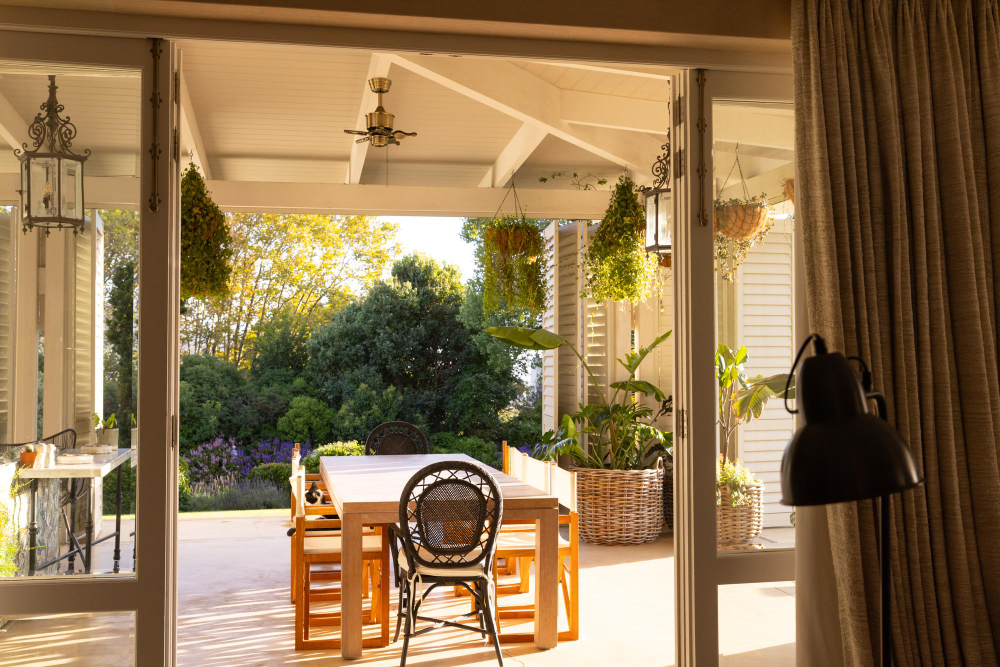
A veranda is a roofed structure attached directly to the exterior of a house. Unlike pergolas, verandas provide solid overhead protection from rain and stronger sun exposure.
They are often integrated with patio areas and can function as a transitional space between indoors and outdoors.
Verandas prioritise protection and connection.
- Fully roofed for weather shelter
- Attached directly to the property
- Extends internal living space outward
- Suitable for year-round use
The Level of Weather Protection
One of the key differences between pergolas and verandas is weather protection. Pergolas offer partial shade but limited rain cover unless fitted with additional roofing panels.
Verandas provide consistent shelter from rain and sun, making them more suitable for unpredictable UK weather.
Weather defines usability.
- Pergolas provide filtered sunlight
- Verandas protect from rain
- Solid roofing increases comfort
- Shelter extends seasonal use
Impact on Garden Aesthetics
Pergolas tend to blend naturally into landscaped gardens. They complement planting schemes and can soften outdoor spaces through climbing plants.
Verandas create a more defined architectural extension of the home, emphasising structure and alignment with the building.
Style influences garden atmosphere.
- Pergolas support greenery and planting
- Verandas create architectural presence
- Open structures feel lighter visually
- Roofed structures appear more substantial
Year-Round Usability
Pergolas are typically best suited for spring and summer use unless adapted with retractable covers or side panels.
Verandas, with their solid roofing, allow outdoor use during rain and cooler seasons, particularly when combined with heating or screens.
Shelter increases flexibility.
- Pergolas favour fair-weather use
- Verandas extend usability into autumn
- Additional heating enhances comfort
- Roofing increases year-round practicality
Planning Permission Considerations
Both pergolas and verandas may fall under permitted development depending on size, height, and location. However, verandas attached to properties may require closer scrutiny under planning rules.
Checking local planning guidance early avoids complications.
Regulations shape feasibility.
- Height and projection affect approval
- Attached structures face more restrictions
- Listed properties require special consideration
- Early consultation prevents delays
Structural Requirements
Pergolas are generally lighter structures and may require simpler foundations. Verandas, due to their roof and attachment to the house, often need stronger structural support.
Proper foundations and fixings ensure longevity and safety.
Structure determines longevity.
- Pergolas may use simpler footings
- Verandas require roof load support
- Secure wall fixing is essential
- Professional installation improves durability
Cost Differences
Pergolas are typically more affordable than verandas due to their simpler construction and lighter materials.
Verandas involve roofing systems, drainage, and stronger foundations, which increase overall cost.
Budget influences choice.
- Pergolas often cost less upfront
- Verandas require additional materials
- Roofing systems increase expenditure
- Long-term value depends on usage
Maintenance Requirements
Maintenance depends on materials used. Timber pergolas require regular treatment to prevent weather damage.
Verandas, particularly those constructed from aluminium or composite materials, often require less ongoing maintenance.
Material choice affects upkeep.
- Timber needs periodic sealing
- Metal frames resist weather damage
- Roofing requires occasional cleaning
- Durable finishes reduce maintenance
Light and Shade Balance
Pergolas allow dappled light to filter through, creating a relaxed atmosphere. Adjustable slats or fabric covers can modify shade levels.
Verandas block direct sunlight more consistently, which may reduce glare but also limit natural brightness beneath.
Light shapes comfort.
- Pergolas create patterned shade
- Verandas provide consistent cover
- Adjustable systems offer flexibility
- Orientation affects shade intensity
Integration With Outdoor Living Spaces
Verandas naturally extend internal living areas, particularly when positioned outside kitchen or dining spaces.
Pergolas can create separate zones within larger gardens, defining areas without enclosing them.
Layout determines functionality.
- Verandas connect directly to indoor rooms
- Pergolas create garden focal points
- Attached structures enhance continuity
- Freestanding designs add variety
Durability in the UK Climate
UK weather demands resilient materials. Pergolas without roofing may weather faster if untreated.
Verandas with integrated drainage systems provide stronger resistance to prolonged rainfall.
Climate affects material choice.
- Roofing protects against persistent rain
- Proper drainage prevents pooling
- Treated timber improves lifespan
- Aluminium frames resist corrosion
Privacy Considerations
Pergolas can incorporate screens, climbing plants, or side panels to increase privacy. Their open structure allows flexibility.
Verandas may require additional side screening to enhance privacy from neighbours.
Privacy enhances comfort.
- Pergolas support natural screening
- Side panels add enclosure
- Verandas may need blinds
- Garden layout influences privacy
Adding Heating and Lighting
Both structures can incorporate outdoor lighting. Verandas more easily support integrated heating systems due to solid roofing.
Pergolas may require surface-mounted lighting solutions.
Comfort depends on installation.
- Verandas support integrated lighting
- Roofed structures allow heaters
- Pergolas use hanging or mounted lights
- Electrical planning improves functionality
Suitability for Smaller Gardens
Pergolas, especially compact designs, suit smaller gardens without overwhelming space.
Verandas, depending on size, can feel dominant in limited outdoor areas.
Scale affects impact.
- Pergolas feel lighter in small gardens
- Verandas require adequate space
- Proportions must match property
- Oversized structures reduce openness
Long-Term Property Value
A well-designed veranda can increase perceived property value by extending usable living space.
Pergolas enhance garden appeal but may have less impact on property valuation.
Value depends on integration.
- Verandas increase functional space
- Pergolas enhance visual appeal
- Quality installation supports resale
- Cohesive design improves marketability
Flexibility and Adaptability
Pergolas are often easier to modify or relocate compared to verandas.
Verandas, being fixed to the property, are more permanent structural additions.
Adaptability suits changing needs.
- Pergolas can be repositioned
- Verandas provide permanent shelter
- Modular systems increase flexibility
- Long-term plans influence selection
Environmental Impact
Timber pergolas made from certified sources offer renewable material options.
Verandas constructed from recyclable aluminium also provide sustainable solutions.
Material sourcing influences footprint.
- Choose responsibly sourced timber
- Use recyclable metal frames
- Reduce maintenance-related waste
- Prioritise longevity for sustainability
Blending With Property Architecture
Pergolas complement both modern and traditional properties when carefully designed.
Verandas typically suit properties where the structure aligns closely with architectural lines.
Harmony enhances appeal.
- Match materials to property style
- Align rooflines carefully
- Avoid visual imbalance
- Consider colour coordination
Making the Final Decision
The right choice depends on lifestyle, budget, garden size, and intended use. Pergolas create character and partial shade, while verandas deliver consistent shelter and stronger connection to the home.
Understanding these differences ensures the structure enhances rather than complicates outdoor living.
Informed choices prevent regret.
- Assess how often space will be used
- Consider year-round practicality
- Balance cost with functionality
- Align design with long-term goals
Conclusion
Pergolas and verandas each offer distinct advantages for UK gardens. Pergolas provide architectural interest, flexible shade, and integration with planting. Verandas offer dependable shelter, extended usability, and stronger connection to internal living areas.
Choosing the right option requires careful assessment of weather protection needs, budget, property style, and long-term lifestyle goals. When properly designed and professionally installed, either structure can significantly enhance how a garden is experienced throughout the year.