Expanding your living space with a garden room or conservatory is a fantastic way to add value to your home and create a bright, functional area for work, relaxation, or entertaining.
However, choosing between a garden room and a conservatory depends on your budget, lifestyle, and how you intend to use the space.
While both options allow you to enjoy a connection to the outdoors, they have significant differences in construction, insulation, planning requirements, and usability throughout the year. This guide explores the key differences, advantages, and drawbacks of both garden rooms and conservatories to help you decide which one is right for your home.
What is a Garden Room?
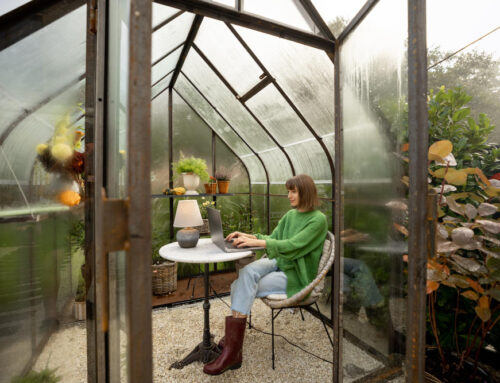
A garden room is a standalone structure built in your garden, separate from the main house. It is usually designed as a fully insulated, year-round space that can be used for a variety of purposes, such as a home office, gym, studio, or guest room.
Key Features of a Garden Room
- Fully insulated with solid walls, roof, and flooring
- Detached from the main house
- Constructed using timber, composite cladding, or modern materials
- Includes electricity, heating, and sometimes plumbing
- Designed with large windows and doors for natural light
- Typically falls under permitted development (subject to size restrictions)
Garden rooms provide privacy and flexibility but require an outdoor area large enough to accommodate them.
What is a Conservatory?
A conservatory is a glazed extension attached to the main house, traditionally made with glass or polycarbonate walls and roofs. It creates a bright, airy space that can be used for dining, relaxing, or as a secondary living room.
Key Features of a Conservatory
- Attached to the main house, extending the existing footprint
- Made primarily of glass with a lightweight frame
- Used for relaxation, dining, or additional living space
- Requires insulation improvements for year-round comfort
- Often subject to planning and building regulations
Traditional conservatories can be too hot in summer and too cold in winter, but modern designs now incorporate better glazing, heating, and roofing options to improve insulation.
Year-Round Usability
One of the biggest concerns when adding extra living space is whether it will be comfortable to use in all seasons.
- Garden rooms are built with insulated walls, flooring, and roofing, making them warm in winter and cool in summer without excessive heating or cooling requirements.
- Conservatories are highly dependent on glazing and roofing materials. Older conservatories often suffer from temperature extremes, but modern designs with double glazing, solid or tiled roofs, and underfloor heating have made them more usable throughout the year.
Garden rooms provide better insulation and comfort year-round without needing as many modifications.
Cost and Budget
The cost of both options varies depending on size, materials, and additional features.
- Garden rooms typically start from £10,000 for a small, prefabricated structure, while larger, custom-built designs with electricity, plumbing, and premium finishes can cost £30,000 or more.
- Conservatories start at around £8,000 for a basic glass model but can exceed £30,000 for fully insulated, solid-roof extensions.
A basic conservatory is cheaper to install, but a garden room can offer better long-term value due to lower running costs and fewer modifications needed for year-round comfort.
Planning Permission and Building Regulations
Garden rooms usually do not require planning permission if they meet certain criteria under permitted development rights:
- Must not exceed 5 metres in height if within 2 metres of a boundary.
- Must not cover more than 50% of the total garden space.
- Cannot be used as a permanent residential dwelling.
However, listed buildings or conservation areas may have restrictions.
Conservatories often fall under permitted development, but planning permission is needed if:
- The extension is deeper than 3 metres (semi-detached) or 4 metres (detached homes).
- It exceeds 50% of the total land around the original house.
-
- Structural changes involve removing walls between the house and conservatory.
Garden rooms generally face fewer planning restrictions and can be installed more quickly.
Connection to the Main Home
- Garden rooms are separate structures, meaning you need to step outside to access them. This is ideal for home offices, gyms, and creative spaces where separation from the main house is beneficial. However, this can be inconvenient in bad weather.
- Conservatories are directly attached to the home, making them a natural extension of your living space. They work well for lounges, dining areas, and playrooms, seamlessly blending into the rest of the house.
If you want a space integrated with the home, a conservatory is the better choice. If you need privacy and separation, a garden room is ideal.
Aesthetic and Design Flexibility
- Garden rooms offer modern, minimalist designs with options for timber, cladding, metal, or glass exteriors. They can be designed in any shape and size to fit your garden layout.
- Conservatories typically have a classic, glazed appearance, but newer models include orangeries, tiled-roof conservatories, and extensions with hybrid glass panels.
Garden rooms provide greater flexibility in design, while conservatories create a more traditional home extension feel.
Energy Efficiency and Running Costs
- Garden rooms are designed with thermal insulation, double-glazed windows, and energy-efficient heating, making them low-cost to heat and cool.
- Conservatories can be expensive to maintain if glazing and roofing are not optimised. Older models with polycarbonate roofs and single-glazed windows often require additional heating in winter and cooling in summer, leading to higher energy bills.
A garden room is naturally more energy-efficient, while a conservatory requires upgrades to perform well year-round.
Which One is Right for You?
Choose a Garden Room if:
- You need a fully insulated space that is comfortable year-round.
- You want privacy and separation from the main house, ideal for a home office, gym, or creative studio.
- You have space in your garden and want to avoid structural changes to your home.
- You want minimal planning permission requirements.
Choose a Conservatory if:
- You want an extension that integrates with your home, providing additional living or dining space.
- You prefer a light-filled area with large windows and an open feel.
- You don’t want to step outside to access your extra space.
- You have a limited garden area and would rather extend your existing home.
Final Thoughts
Both garden rooms and conservatories offer fantastic ways to expand your living space, but the right choice depends on your needs, budget, and long-term plans.
A garden room provides a private, insulated, standalone space that is perfect for work, fitness, or hobbies, while a conservatory serves as an attached, bright living area that seamlessly connects to your home.
By considering how you will use the space, your energy efficiency needs, and whether you prefer a separate or integrated structure, you can choose the best option for your home and lifestyle.