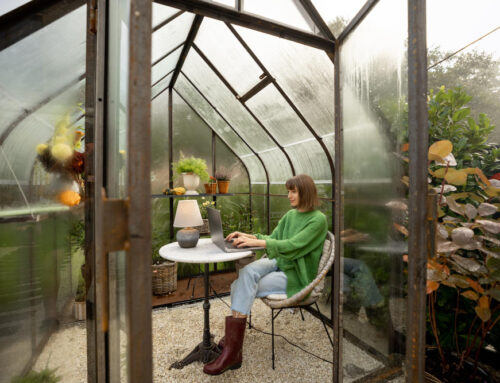
Conservatories are popular for the light and versatility they bring to a home, but many homeowners quickly discover their biggest flaw: temperature control.
These rooms often feel freezing in winter and uncomfortably hot in summer, which limits their usefulness. The root of the problem lies in their construction, which prioritises glass and lightweight materials over insulation. The good news is that with the right upgrades, you can insulate a conservatory effectively and make it a year-round living space.
This guide will walk through the key techniques, challenges, and benefits of conservatory insulation. From upgrading the roof and glazing to tackling the floor and managing ventilation, every part of the structure has a role to play in transforming your conservatory into a comfortable and energy-efficient room.
Understanding Why Conservatories Lose Heat
Before insulating, it is important to understand why conservatories struggle with temperature regulation. Most were built with minimal insulation, prioritising light rather than energy performance. Glass and polycarbonate allow rapid heat transfer, while thin walls and uninsulated floors fail to retain warmth. Addressing these weaknesses requires a holistic approach rather than one quick fix.
- Glass loses heat 10 times faster than brick walls, making it the main culprit.
- Roofs built with polycarbonate or single-glass panels provide almost no thermal resistance.
- Floors often lack insulation and allow heat to escape into the ground.
- Draughts through poorly sealed frames increase energy loss significantly.
Roof Upgrades for Maximum Insulation
The roof is the single most important area to insulate in a conservatory. Because warm air rises, much of the heat generated in winter is lost through the roof, while in summer, direct sunlight turns the space into a greenhouse. Replacing or upgrading the roof is often the most effective long-term solution for creating a comfortable environment.
- Replace old polycarbonate with solid insulated roof panels for superior thermal performance.
- Consider hybrid systems that combine solid sections with glazed panels for light and insulation.
- Choose tiled roof replacements that blend with the main property and add value.
- Use professional installers to ensure the new roof complies with structural and safety regulations.
Improving Wall and Glazing Performance
The walls and windows of a conservatory are usually dominated by glass, which makes them the second biggest source of heat loss. Upgrading glazing and frames improves both insulation and comfort. Modern technology allows for high-performance glass that retains warmth in winter and reduces solar gain in summer, without losing the light that makes conservatories appealing.
- Install double or triple glazing with low-emissivity coatings for better insulation.
- Upgrade frames to insulated aluminium or uPVC with thermal breaks.
- Use blinds, shutters, or thermal curtains as secondary barriers to heat loss.
- Replace lower glass panels with insulated brick or block dwarf walls for added efficiency.
Insulating the Floor for Comfort
The floor is often overlooked, yet it is a significant factor in how comfortable a conservatory feels. Without proper insulation, heat escapes downward into the ground, making the space cold and unwelcoming in winter. Adding insulation beneath or above the existing floor surface improves energy efficiency and reduces heating demand.
- Fit rigid insulation boards beneath screed or timber floors to retain warmth.
- Add underfloor heating for efficient, evenly distributed comfort.
- Use rugs, carpets, or insulated floor finishes to create a warmer surface.
- Include damp-proof membranes to protect against moisture penetration.
Managing Ventilation and Preventing Condensation
While insulation improves comfort, it also changes how air and moisture move within the conservatory. Poorly ventilated insulated spaces can develop condensation, damp, and mould, which reduce indoor air quality and damage finishes. Good ventilation must always be part of an insulation plan to maintain a healthy environment.
- Fit trickle vents in windows to allow continuous airflow without losing too much heat.
- Install extractor fans if the conservatory connects to kitchens or bathrooms.
- Use breathable insulation materials where possible to reduce trapped moisture.
- Regularly check for condensation and adjust ventilation if problems appear.
Considering Temporary or Low-Cost Options
Not every homeowner is ready for a full roof replacement or glazing overhaul. In some cases, temporary or budget-friendly solutions can provide immediate comfort improvements. While less effective than structural changes, these options can make a conservatory more usable while saving up for larger upgrades.
- Use thermal blinds or specialist reflective panels to reduce heat transfer.
- Apply draught-proofing strips around doors and window frames.
- Lay insulating floor mats or thick rugs to reduce heat loss through floors.
- Fit removable insulation panels that can be installed seasonally.
Balancing Building Regulations and Planning
Any significant changes to a conservatory, particularly roof replacements, must comply with building regulations. In some cases, these upgrades can alter the classification of the conservatory and turn it into an extension in the eyes of planning authorities. Understanding the rules before starting work avoids costly delays or compliance issues later.
- Obtain building regulation approval for solid or tiled roof replacements.
- Ensure structural calculations are completed to handle increased loads.
- Check local planning requirements if altering external appearance.
- Keep records of approvals and upgrades for future property sales.
Estimating Costs and Return on Investment
The cost of insulating a conservatory varies depending on the method chosen. Roof replacements are the most expensive but also the most effective, while smaller measures provide savings at lower costs. Homeowners should weigh upfront expenses against the benefits of improved comfort, lower energy bills, and increased property value.
- Solid or tiled roof upgrades typically cost several thousand pounds but deliver year-round usability.
- Glazing improvements provide long-term savings on heating bills.
- Floor insulation costs less but significantly improves comfort in winter.
- Budget-friendly fixes are inexpensive but usually temporary in effectiveness.
Common Mistakes to Avoid
Insulating a conservatory is not as simple as adding a few materials here and there. Mistakes often reduce effectiveness and create new problems. By being aware of common errors, homeowners can make better choices and avoid wasting money on poor solutions.
- Choosing non-breathable materials that trap condensation and lead to damp.
- Ignoring ventilation requirements, which causes mould growth and poor air quality.
- Underestimating the importance of professional installation for roof upgrades.
- Spending on short-term fixes while neglecting long-term structural improvements.
Long-Term Maintenance and Care
Insulating a conservatory is not a one-time job; it requires ongoing care to ensure it performs as expected. Regular inspections and maintenance will prolong the life of insulation materials and prevent small issues from becoming major problems. A proactive approach ensures the conservatory remains a comfortable space for years to come.
- Inspect seals, joints, and frames annually for signs of wear or leaks.
- Clean glazing and ventilation systems to maintain performance.
- Reapply protective coatings or finishes where required to prevent deterioration.
- Monitor energy bills and comfort levels to confirm insulation is effective.
Conclusion
So, can you insulate a conservatory effectively? The answer is yes, provided you approach it holistically and choose the right techniques for your budget and goals. A roof upgrade delivers the biggest improvement, but walls, glazing, floors, and ventilation all play important roles. Even temporary measures can help, though structural solutions provide the best long-term results.
By combining professional installation, compliance with regulations, and ongoing maintenance, you can transform a conservatory into a warm, inviting, and efficient part of your home that can be enjoyed in every season.