Home renovations can transform your living space and add significant value to your property, but they often come with one frustrating reality: delays. Whether it’s a kitchen remodel, loft conversion, or full-scale extension, even well-planned projects can hit unexpected snags. For homeowners and builders alike, delays can mean stress, additional costs, and disrupted routines. But the good news is that many delays are preventable with the right planning and communication.
In this post, we’ll break down the most common causes of renovation delays and show you how to keep your project on track from start to finish. By understanding what typically goes wrong—and putting safeguards in place—you can avoid the headaches and complete your renovation on time and within budget.
Planning Permission and Building Regulations
Before any work begins, your project might require approval from your local authority. Delays at this early stage can stall everything else, especially if you start without realising consent is needed.
How to avoid this delay:
- Get expert advice early: Speak to a planning consultant or architect who understands local rules and whether your project needs planning permission or is allowed under permitted development.
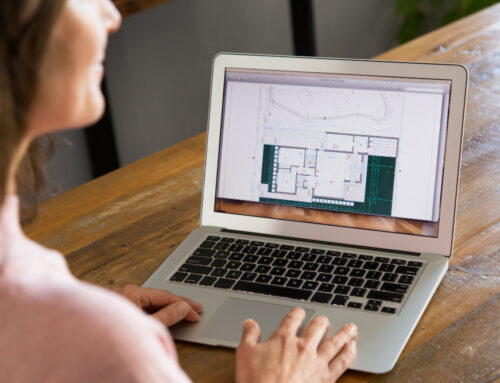
- Submit accurate drawings: Ensure your application is detailed and compliant with regulations to avoid rejection or revision requests.
- Allow for lead time: Building regulation approval and planning permission can take weeks. Factor this into your timeline before booking contractors.
- Don’t begin work prematurely: Starting without approval can lead to enforced stoppages or fines.
Poor Initial Planning
One of the biggest contributors to delays is jumping into a renovation without a clear, realistic plan. From unclear designs to underestimating timescales, a shaky foundation can cause big problems down the line.
How to avoid this delay:
- Set a clear scope of work: Know exactly what you want before hiring tradespeople. Changing your mind mid-project is a common delay trigger.
- Work with professionals: A good architect or designer will create plans that reflect your vision and are practical to build.
- Create a detailed timeline: List each phase of the project, expected completion dates, and dependencies between tasks.
- Stick to decisions: Avoid the temptation to keep tweaking layouts, finishes, or fixtures once work is underway.
Weather-Related Delays
In the UK, unpredictable weather—particularly rain, snow, and frost—can halt outdoor work such as roofing, bricklaying, and rendering. This is especially relevant for extensions or loft conversions.
How to avoid this delay:
- Plan around the seasons: Schedule outdoor-heavy work for spring and summer where possible.
- Use weather-resistant materials: Temporary coverings and rapid-setting products can reduce downtime.
- Build in contingency time: Allow buffer days in your timeline in case weather interferes.
- Prioritise indoor work during bad spells: Reorder tasks if rain delays exterior jobs.
Contractor Availability and Scheduling Conflicts
Reliable builders and tradespeople are often booked up well in advance. Last-minute scheduling or overlapping commitments can lead to delays if you’re left waiting for someone to show up.
How to avoid this delay:
- Book early: Secure your chosen contractor months in advance, especially for large projects.
- Create a work schedule: Agree a shared timeline that includes all sub-contractors and delivery dates.
- Avoid overloading one person: Don’t rely on one general builder for every specialist task. Electricians, plumbers, and plasterers should be scheduled independently.
- Get agreements in writing: A signed contract with timescales helps ensure commitment.
Delivery and Supply Chain Issues
Materials not arriving on time—or the wrong materials being delivered—can put everything on hold. From windows and tiles to bespoke cabinetry, one missing item can derail the schedule.
How to avoid this delay:
- Order materials in advance: Lead times for things like glazing, timber, and bespoke items can be long. Place orders as early as possible.
- Use reliable suppliers: Choose companies with good reviews and clear communication around stock and delivery.
- Check everything on arrival: Ensure deliveries are correct, undamaged, and suitable before work begins.
- Keep some stock on hand: Having extras of commonly used items like plasterboard or bricks can prevent gaps if suppliers fall behind.
Unexpected Structural Issues
Once walls are opened or floors are lifted, hidden problems can emerge—like rotten joists, crumbling brickwork, or outdated wiring. These can’t always be predicted but often cause major delays.
How to avoid this delay:
- Get a structural survey: If you’re renovating an older property, a pre-work survey can reveal potential issues before they become surprises.
- Budget for the unexpected: Set aside 10–20% of your project cost for contingency work.
- Involve a structural engineer: For larger extensions or changes to load-bearing walls, professional calculations reduce the risk of delays.
- Stay flexible: When unexpected problems arise, being decisive and adaptable can reduce lost time.
Changes in Design Mid-Project
Homeowners often get inspired mid-project and ask for changes, from adjusting layouts to upgrading finishes. While understandable, each change typically leads to delays.
How to avoid this delay:
- Finalise decisions before work starts: Don’t leave key choices like kitchen layouts or bathroom fittings until halfway through.
- Visualise with drawings and 3D models: Tools like CAD or sketch software can help you see the finished result and reduce the urge to change later.
- Understand the knock-on effects: Even small tweaks can affect plumbing, electrics, or load-bearing structures.
- Trust your original plan: If you’ve done the groundwork, have confidence in your early decisions.
Budget Shortfalls
Running out of money mid-project will grind everything to a halt. It can also lead to compromises in quality or scope—causing further delay while finances are restructured.
How to avoid this delay:
- Get accurate quotes: Work with professionals to estimate true costs rather than relying on guesswork.
- Include all costs: Don’t forget skips, scaffolding, permits, VAT, or temporary accommodation.
- Add a contingency fund: Unexpected issues are almost guaranteed—make sure you can afford them.
- Track your spending: Regularly review your outgoings against the budget to stay on course.
Miscommunication Between Parties
When the homeowner, contractor, architect, and suppliers aren’t aligned, delays are almost inevitable. Misunderstandings about scope, sequence, or timelines can throw everything off track.
How to avoid this delay:
- Appoint a project manager: If you’re juggling multiple trades, having one person overseeing it all helps maintain clarity and momentum.
- Hold regular meetings: Weekly check-ins between all involved parties keep everyone updated and aware of progress.
- Use shared documents: Platforms like Google Sheets or Trello can help track tasks, deliveries, and next steps.
- Put instructions in writing: Avoid relying on verbal updates—confirm changes or approvals via email or text.
Planning or Inspection Delays
Even when work progresses smoothly, you may still face delays waiting for inspectors to sign off key stages such as foundations, insulation, or electrics.
How to avoid this delay:
- Schedule inspections early: Contact building control in advance to book visits in line with your work schedule.
- Have paperwork ready: Missing certificates or plans can delay sign-off.
- Know what’s required: Work with your builder to understand which inspections are needed and when.
- Maintain good relations with inspectors: A collaborative attitude can encourage prompt response times.
Conclusion: Stay Proactive, Stay on Track
Renovation delays are frustrating—but they’re not inevitable. Most can be avoided with forward planning, transparent communication, and the right team in place. Think of your project like a chain: one weak link can hold everything up, so build it strong from the start.
By anticipating potential hurdles—whether it’s the weather, material deliveries, or design changes—you can put practical safeguards in place and keep your project moving smoothly. From choosing a reputable builder to locking in decisions early, it’s all about preparation and flexibility.
A stress-free renovation may not exist—but a timely one absolutely can.