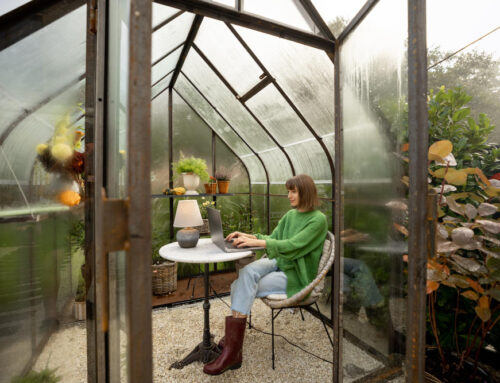
Conservatories are a great way to add light, space, and a connection to the outdoors. But over time, exposure to the elements, structural wear, and changes in how we use our homes can leave them looking tired or underperforming. If your conservatory is starting to show signs of age—leaking, draughty, or just not used like it once was—you may be wondering whether it’s best to repair what you have or replace it entirely.
The right decision depends on a number of factors, including the age and condition of the structure, the type of issues you’re facing, your budget, and how you plan to use the space in the future. In this guide, we’ll help you assess the condition of your conservatory, understand your options, and make the most cost-effective, long-term choice for your home.
Common Issues with Older Conservatories
Most conservatories built in the 1990s or early 2000s used polycarbonate roofs, single glazing, and lightweight uPVC frames. While these were affordable and easy to install, they haven’t always stood the test of time. Common problems include:
- Leaks and water ingress
- Draughts and poor insulation
- Discoloured or brittle polycarbonate panels
- Condensation and mould
- Fading or cracking uPVC frames
- Doors or windows that no longer close properly
- A space that’s too cold in winter and too hot in summer
In many cases, these issues can be fixed with targeted repairs. But in others, replacing parts—or the entire structure—may be a better long-term investment.
When a Repair Makes Sense
Repairs are often the most practical and cost-effective option when issues are isolated, and the overall structure is still in decent condition. If your conservatory is structurally sound and generally suits your needs, a few upgrades can extend its lifespan significantly.
The Roof Is Leaking, but the Frame Is Sound
A leaking roof is one of the most common problems. This could be due to cracked glazing panels, failed seals, or worn flashing where the roof meets your home.
Repair options:
- Resealing or replacing individual panels
- Installing new gaskets or trims
- Replacing damaged flashing
- Adding a roof overlay system for extra protection
When this is enough: If your frame is in good shape and the leaks are localised, repairing or even upgrading the roof can make your conservatory watertight and more usable—without the cost of full replacement.
Misted or Broken Double-Glazed Units
Over time, double-glazed windows can develop condensation between the panes, usually due to a broken seal. This affects visibility and thermal performance.
Repair options:
- Replacing individual sealed units
- Upgrading to newer, more energy-efficient glazing
- Resealing frames to prevent future moisture ingress
When this is enough: If only a few panes are affected and the frames are stable, replacing the glazing is far cheaper than refitting the entire conservatory.
Doors and Windows Are Sticking or Misaligned
Conservatory doors that won’t shut properly or windows that won’t open can be caused by frame movement, worn hinges, or faulty locking mechanisms.
Repair options:
- Adjusting or realigning doors and windows
- Replacing hinges, handles, or locking gear
- Re-lubricating moving parts
When this is enough: If there’s no serious warping or frame damage, hardware repairs can make a big difference to usability and security.
You Want to Refresh the Look
Sometimes the conservatory still works fine, but it feels dated. A simple facelift can breathe new life into the space.
Repair options:
- Repainting or replacing trims and cladding
- Installing blinds or thermal curtains
- Updating flooring or lighting
- Cleaning frames, glazing, and gutters
When this is enough: If you’re happy with the size and layout, cosmetic improvements can restore appeal without major investment.
When It’s Time to Replace Your Conservatory
There are situations where repairs just aren’t cost-effective—or won’t give you the space and performance you need. If your conservatory is beyond its best days or no longer suits your lifestyle, full replacement might be the smarter choice.
The Structure Is Failing
If the frames are warped, the foundations are shifting, or the roof is sagging, it’s unlikely that repairs will provide a safe, long-term solution.
Signs of structural failure:
- Visible gaps between panels and frames
- Walls pulling away from the house
- Cracks in the base or internal walls
- Doors and windows that no longer align at all
- Recurring leaks or draughts despite multiple repairs
In these cases, replacing the entire conservatory is often safer and more economical over time.
The Conservatory Is Unusable Year-Round
Older conservatories often struggle with temperature regulation. If yours is too cold in winter and too hot in summer—despite blinds, heaters, or fans—it’s likely due to poor insulation and outdated glazing.
Replacement benefits:
- Modern double or triple glazing
- Tiled or hybrid insulated roofs
- Thermally efficient frames
- Better ventilation and solar control glass
Upgrading to a new, thermally efficient structure can turn your conservatory into a year-round living space and boost your home’s overall energy efficiency.
You Want to Open Up or Extend the Space
If your lifestyle has changed—or you’re planning to reconfigure your layout—you may need more than a basic update.
Reasons to replace:
- You want to create an open-plan kitchen-diner
- You’d prefer a solid-roof garden room or orangery
- You’re planning a rear extension and want it to blend seamlessly
In these cases, a custom-built new structure designed to meet your specific needs can offer far more value than retrofitting an old one.
You’re Dealing with Multiple Issues at Once
If your conservatory has misted windows, a leaking roof, stiff doors, and signs of frame damage, the cost of piecemeal repairs could quickly add up to more than a replacement.
When to replace: When repairs are no longer solving the core problems—or costing more than 50% of a new build—it usually makes financial sense to start fresh with a modern, compliant installation.
Comparing Repair vs. Replacement
If you’re unsure whether to invest in repairs or go for a full replacement, it helps to weigh up the pros and cons of each option. Consider how each approach affects cost, comfort, and long-term value for your home.
Cost and Value
Repairs are usually cheaper in the short term, especially when issues are limited to glazing, seals, or fittings. However, if repairs become frequent or cover multiple parts of the conservatory, the costs can mount quickly. A replacement costs more upfront but often delivers better value over time by improving energy efficiency, comfort, and resale appeal.
Disruption and Time
Repair jobs tend to be quicker and less disruptive—you might only need a day or two for minor fixes. Replacing the entire structure, however, involves more extensive work, with timelines often stretching over several weeks depending on design and complexity. If minimal disruption is a priority, repairs may be preferable for now.
Energy Efficiency
Repairing seals or replacing panes can help a little, but older structures with poor insulation will always struggle to regulate temperature. A modern conservatory replacement with insulated roofing, thermally efficient frames, and advanced glazing provides far superior performance in all seasons.
Design Flexibility and Use
Repairs won’t fundamentally change the size, layout, or style of your conservatory. If you want to redesign the space, remove walls, or create an open-plan layout, a full replacement is the better option. It gives you the freedom to create a room that truly fits your lifestyle and adds long-term functionality.
Modern Alternatives to Traditional Conservatories
If you’re leaning towards replacement, you don’t necessarily have to rebuild the same type of structure. New options combine the light and connection to the garden that conservatories offer with better insulation and year-round usability.
Tiled Roof Extensions
- Look and perform like permanent extensions
- Retain some glazed elements for light
- Provide excellent thermal performance
- Suitable for dining rooms, lounges, or home offices
Orangeries
- Brick or rendered walls with large windows and a central roof lantern
- More substantial feel than traditional conservatories
- Elegant and often seen as more ‘architectural’
Garden Rooms
- Fully insulated and integrated with the home
- Designed as true living spaces rather than add-ons
- Perfect for working from home, hobbies, or relaxation
These options are more likely to boost long-term value and comfort, especially if your existing conservatory feels like a compromise.
Tips for Making the Right Choice
Still undecided? Use these guidelines to help make the right call for your home and budget:
- Assess the condition: If most components are solid and problems are minor, repairs can add several more years of use.
- Get a survey: A conservatory specialist can inspect your structure and advise on repair vs. replacement based on current standards.
- Think long-term: If you’re planning to stay in the home for 10+ years, a replacement is more likely to deliver value and enjoyment.
- Factor in future plans: If you’ll eventually extend the house or reconfigure the ground floor, it may make sense to rebuild now.
- Consider heating costs: An energy-efficient replacement could pay for itself over time through lower bills.
- Don’t throw good money after bad: If you’ve already repaired multiple times and problems persist, replacement is usually the smarter choice.
Conclusion: A Conservatory That Works for You
Deciding whether to repair or replace a conservatory isn’t just about money—it’s about making your home more functional, comfortable, and enjoyable. If your existing structure has a few fixable issues and still suits your needs, a targeted repair can extend its life and performance. But if your conservatory is no longer working for you—due to leaks, poor insulation, or changing family needs—investing in a modern replacement can transform it into a space you’ll actually use and love.
Either way, the goal is the same: to create a bright, welcoming room that works with your home, not against it. With the right approach, your conservatory can go from underused to invaluable—whether you choose to restore or rebuild.