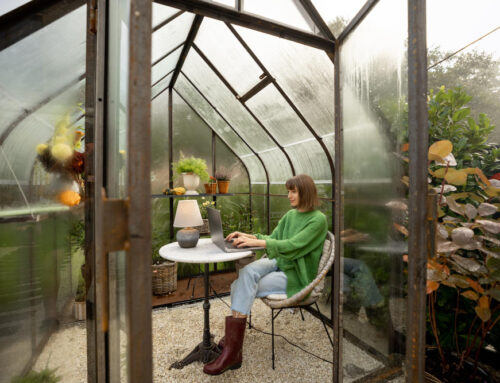
Adding a conservatory to your home is a popular way to increase living space, enjoy more natural light, and create a seamless connection between the indoors and the garden. But beyond its aesthetic and lifestyle benefits, a well-designed conservatory can also be a smart investment—adding real value to your property when done right.
Not all conservatories are created equal, though. A draughty, outdated, or poorly built structure may do little to enhance your home’s appeal—or worse, deter potential buyers. On the other hand, a high-quality, well-integrated conservatory can boost your home’s desirability, usability, and resale value.
In this comprehensive guide, we’ll explore how to maximise the value of your home with a conservatory that delivers on comfort, functionality, and return on investment.
Why Consider a Conservatory in the First Place?
A conservatory is one of the most cost-effective ways to add square footage to your property without the complexity or disruption of a full-blown extension. It can serve a variety of purposes—dining room, home office, reading nook, playroom, or even an additional lounge.
But perhaps the biggest draw is the way a conservatory can:
- Flood the home with natural light
- Offer panoramic views of the garden
- Create a calm, relaxing environment
- Blur the lines between indoor and outdoor living
All of these features appeal not only to current homeowners but also to future buyers—provided the space is built and finished to a high standard.
How Much Value Can a Conservatory Add?
While figures vary depending on location, size, and build quality, a conservatory can typically add between 5% and 10% to the value of a home.
The exact uplift will depend on several factors:
- The style and design of the conservatory
- How well it integrates with the existing property
- Whether it complies with building regulations
- The level of thermal insulation and year-round usability
- Local market demand and buyer expectations
The key takeaway? It’s not just about adding space—it’s about adding quality space that feels like a natural extension of the home.
Planning a Conservatory That Adds Value
Choose the Right Location
The position of your conservatory will have a big impact on how it feels and functions. For example:
- South-facing conservatories enjoy the most sun, which is great in winter but may need shading and ventilation in summer.
- North-facing conservatories are cooler and receive less direct light, which can be ideal for working or relaxing.
- East-facing options are perfect for breakfast rooms with morning sun.
- West-facing conservatories catch the late afternoon and evening light—great for entertaining.
Think about how the room will be used and plan accordingly to make it as functional as possible.
Blend with the Existing Architecture
To truly add value, a conservatory should look like it belongs—not like an afterthought. The style, materials, and proportions should complement your home’s architecture.
- Match brickwork, render, or external cladding where possible
- Choose rooflines that align with the existing structure
- Select window and door styles that reflect the period of the property
- Keep scale in proportion—oversized conservatories can overwhelm smaller homes
Buyers are more likely to be impressed by a conservatory that blends in than one that stands out for the wrong reasons.
Focus on Year-Round Usability
One of the biggest turn-offs for buyers is a conservatory that’s too hot in summer and too cold in winter. To make the space genuinely useful—and valuable—it needs to be thermally efficient and comfortable all year round.
Ways to improve usability:
- Install a high-performance roof—tiled or hybrid designs offer the best insulation
- Use double or triple glazing with low-emissivity glass
- Include underfloor heating or link the space to your central heating system
- Ensure proper ventilation to prevent overheating
- Fit blinds or thermal curtains to help regulate temperature and light
A well-insulated, well-ventilated conservatory feels more like a proper room than a glass box—and that’s where the value lies.
Consider Building Regulations
While some conservatories fall under permitted development rights, many higher-spec installations—especially those with tiled roofs, integrated heating, or open access from the main house—will require building regulations approval.
Complying with these regulations ensures:
- The conservatory meets minimum thermal performance standards
- Electrical and structural work is carried out safely
- The space can be legally considered part of the home’s habitable area
Homes with fully compliant conservatories are far more attractive to buyers and can command higher prices.
Key Design Features That Add Value
A Tiled or Hybrid Roof
Upgrading from a polycarbonate or glass roof to a tiled or hybrid system significantly enhances energy efficiency, reduces noise, and makes the space usable in all seasons. These roofs can also include rooflights for extra brightness without compromising insulation.
Tiled roofs make the conservatory feel like a real extension—something buyers are increasingly looking for.
Bi-Fold or Sliding Doors
Installing bi-fold or large sliding doors between the conservatory and garden boosts indoor-outdoor living appeal. It creates an open, airy feel and maximises natural light, which can make even smaller homes feel more spacious.
These features are popular with buyers and align with modern lifestyle trends.
High-Quality Glazing
Forget flimsy single panes—go for double or triple glazed units with features like:
- Low-E coatings to reflect heat
- Argon gas-filled units for improved insulation
- Self-cleaning glass for easy maintenance
- Tinted or solar control glazing to reduce glare
Good glazing improves thermal performance and sound insulation, which directly contributes to comfort and value.
Heating and Lighting
A conservatory that’s wired for smart lighting, has wall or ceiling lights, and includes efficient heating will always feel more like a real room.
Buyers want spaces they can use immediately—not projects that require further investment.
Best Uses for a Value-Adding Conservatory
A multi-functional conservatory with a clear purpose is more valuable than a vague or underused space. Consider these high-demand uses:
Home Office
With remote working now a norm, a bright, private workspace is a top priority for many buyers. A well-insulated conservatory with proper blinds and heating makes an excellent home office.
Dining Room
Opening up the kitchen into a conservatory dining space can create a large, sociable area that appeals to families and entertainers alike.
Second Lounge or Snug
Turning the conservatory into a cosy lounge or reading nook offers versatility—especially for families needing separate zones.
Playroom
Parents appreciate a light-filled play area that’s close to the main living space but slightly separate—especially one with a view of the garden.
The key is to design the space with purpose and clarity so buyers can immediately see how they’d use it.
Avoiding Common Mistakes That Reduce Value
A conservatory can add value, but only if it’s done well. Here are a few pitfalls to avoid:
Poor Quality Construction
Cheap materials, poor insulation, or badly fitted doors and windows can make the space unusable and even put buyers off. Always use reputable contractors and invest in quality finishes.
Awkward Layout
If the conservatory disrupts the flow of the home or feels like an isolated add-on, it can reduce appeal. Make sure access is smooth and the layout makes sense.
Ignoring Planning or Building Control
Unregulated work can lead to major headaches during the sale process. Always ensure your conservatory meets local requirements.
Lack of Ventilation
Overheating and condensation can make conservatories unpleasant. Install roof vents, trickle vents, or mechanical ventilation if necessary.
What Do Buyers Look for in a Conservatory?
When it comes time to sell, a well-designed conservatory can make your home stand out. Buyers are often looking for:
- A usable room that fits seamlessly into the rest of the home
- Quality construction and modern materials
- Energy efficiency and good insulation
- Stylish design that complements the property
- Added flexibility for work, play, or relaxation
If your conservatory meets these criteria, it’s likely to become a key selling point.
Final Thoughts
A high-quality conservatory is more than just an extra room—it’s an opportunity to improve your lifestyle and boost your property’s market appeal. But to really add value, it must be done thoughtfully.
That means:
- Investing in insulation and usability
- Choosing materials that complement your home
- Designing the space with purpose and flow
- Meeting all planning and building regulations
- Creating a comfortable, stylish room that feels permanent and functional
Done right, a conservatory can be one of the most rewarding additions to your home—both in terms of everyday enjoyment and long-term investment. If you’re planning one, take the time to get it right. It could be one of the best decisions you make for your home’s future.