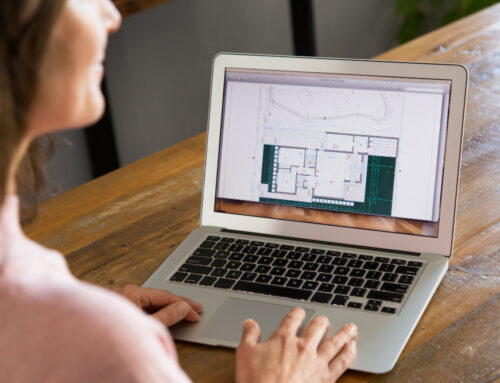
Home renovations are exciting at the start. There is the vision of a transformed home, improved functionality, and the satisfaction of creating a space that better suits your lifestyle. However, what many homeowners do not anticipate is the sheer volume of decisions required throughout the process. From layouts and materials to lighting, finishes, fixtures, and countless small details, the constant need to choose can quickly become exhausting.
Decision fatigue is a real issue during renovations. As mental energy becomes depleted, decision-making often becomes slower, more stressful, and less effective. Small choices begin to feel overwhelming, and even straightforward questions can become frustrating.
This can lead to rushed decisions, second-guessing, budget drift, and unnecessary stress. In some cases, homeowners end up making poor choices simply because they are mentally tired rather than because the option is right.
This guide explains how to avoid decision fatigue during a home renovation. By approaching the project with structure, clarity, and smarter planning, you can reduce stress, make better choices, and enjoy the process far more.
A successful renovation is not just about managing trades and budgets. It is also about managing your own mental energy.
The fewer unnecessary decisions you create for yourself, the easier it becomes to make the important ones well.
Start with a Clear Overall Vision
One of the biggest causes of decision fatigue is making choices without a clear direction. When every decision is made in isolation, the process becomes mentally exhausting because there is no framework guiding the outcome.
A strong overall vision acts as a filter. Instead of evaluating every option from scratch, you can quickly rule things in or out based on whether they align with the bigger picture.
This vision should cover style, functionality, priorities, and how you want the home to feel once complete. Without it, even simple decisions become harder than they need to be.
Clarity at the start reduces friction throughout the project. It turns hundreds of separate choices into a more connected and manageable process.
- Define the overall look and feel of the renovation
- Prioritise what matters most in the finished space
- Create a reference board for visual consistency
- Use the vision as a filter for future choices
Make Big Decisions Early
Decision fatigue becomes worse when major choices are left until the last minute. Rushed decisions under pressure are rarely the best ones, particularly when other parts of the project depend on them.
Making bigger decisions early creates structure for everything that follows. Layout, heating systems, window styles, and major finishes should be resolved before smaller details.
This reduces uncertainty and prevents delays caused by waiting for decisions mid-project. It also lowers stress because fewer urgent choices arise unexpectedly.
Front-loading key decisions creates momentum and gives the project clearer direction from the outset.
- Finalise layouts before construction begins
- Choose major systems early in the process
- Lock in key design decisions in advance
- Avoid leaving essential choices until trades are waiting
Limit Your Options
Too much choice is one of the fastest routes to decision fatigue. While having options feels helpful at first, endless comparisons quickly become draining.
You do not need to review fifty tile options to make a good decision. Narrowing the shortlist makes the process faster and less mentally demanding.
This applies to everything from paint colours to flooring, fixtures, and fittings. Controlled choice leads to better decision-making.
Reducing options does not reduce quality. It improves clarity and helps you move forward with confidence.
- Shortlist only realistic options
- Avoid endless browsing for alternatives
- Limit comparisons to a manageable number
- Focus on suitability rather than endless perfection
Group Similar Decisions Together
Switching constantly between different types of decisions increases mental fatigue. Choosing lighting in the morning, flooring at lunch, and structural details in the afternoon creates unnecessary cognitive strain.
Grouping similar decisions together creates efficiency. It allows you to stay in the same mindset and make related choices more effectively.
This batching approach reduces mental switching and helps maintain momentum. It also improves consistency across related elements.
Structured decision-making is far less draining than random decision-making.
- Choose all lighting in one session
- Group bathroom decisions together
- Select finishes in focused batches
- Avoid constant topic switching
Define a Realistic Budget Framework
Budget uncertainty creates mental fatigue because every decision becomes financially stressful. Without clear boundaries, even simple choices become emotionally draining.
A defined budget framework makes decision-making easier because it narrows the field immediately. You know what is realistic and what is not.
This reduces second-guessing and prevents emotional overspending driven by uncertainty or pressure.
Financial clarity removes a major source of stress during the renovation process.
- Set clear budgets for each category
- Define where to spend and where to save
- Include contingency funds from the start
- Use budget limits to guide decision-making
Avoid Chasing Perfection
Perfectionism is a major contributor to renovation fatigue. The search for the absolute perfect tile, perfect light fitting, or perfect handle can become endless.
In reality, many decisions are good enough rather than perfect, and that is entirely acceptable. Pursuing perfection wastes energy and often delays progress.
A successful renovation is built on smart, practical decisions rather than obsessive optimisation.
Accepting strong choices rather than mythical perfect ones makes the process significantly easier.
- Focus on what works, not absolute perfection
- Set reasonable decision deadlines
- Avoid endless revisions over minor details
- Accept that some choices are simply functional
Trust Professionals Where Appropriate
Trying to personally control every single decision creates unnecessary pressure. Good professionals exist to reduce complexity, not add to it.
Builders, designers, architects, and specialists can often narrow options or make recommendations that simplify the process.
This does not mean handing over control entirely. It means using expertise where it genuinely adds value.
Delegating appropriate decisions protects your mental bandwidth for the choices that matter most.
- Ask professionals for narrowed recommendations
- Trust specialist advice where appropriate
- Delegate technical decisions when sensible
- Focus your energy on high-priority choices
Create Decision Deadlines
Open-ended decisions tend to linger, creating background stress and mental clutter. The longer a choice remains unresolved, the more draining it becomes.
Setting clear deadlines prevents decision paralysis and keeps the project moving forward.
Deadlines also encourage practical thinking rather than endless deliberation.
Momentum reduces stress. Indecision increases it.
- Set decision deadlines for each stage
- Align deadlines with project schedules
- Avoid revisiting settled decisions unnecessarily
- Use timelines to maintain momentum
Keep a Centralised Decision Log
Renovations involve a huge number of decisions, and trying to hold them all in your head creates unnecessary stress. Forgotten choices often lead to confusion, duplicated work, or rethinking.
A decision log provides clarity and reduces cognitive overload. It keeps everything visible and organised.
This could be a spreadsheet, shared document, or project tracker. The format matters less than the consistency.
External organisation reduces internal mental pressure.
- Record every major decision in one place
- Include suppliers, specifications, and approvals
- Share updates with relevant people
- Use the log to avoid repeated discussions
Separate Emotional Decisions from Practical Ones
Not every decision carries the same weight. Some are practical infrastructure choices, while others are aesthetic and emotional.
Mixing these together can make the entire process feel heavier than necessary. Separating them helps maintain perspective.
A practical heating decision does not need the same emotional energy as choosing a focal design feature.
Understanding which decisions truly matter helps conserve mental energy.
- Categorise decisions by importance
- Resolve practical issues logically
- Reserve emotional energy for design priorities
- Avoid overthinking purely functional choices
Expect Some Decision Fatigue and Plan for It
Part of avoiding burnout is recognising that some fatigue is normal. Renovations involve complexity, and pretending otherwise often leads to frustration.
Planning for periods of mental exhaustion helps you manage them more effectively. This might mean avoiding major choices during stressful project stages.
Self-awareness improves decision quality. Fatigue makes rushed choices more likely.
Anticipating pressure helps reduce its impact.
- Avoid important decisions when mentally drained
- Build breathing space into the schedule
- Recognise when decision quality is slipping
- Pause rather than forcing rushed choices
Avoid Too Many Opinions
Asking too many people for input often creates confusion rather than clarity. Multiple opinions can make even simple decisions feel impossible.
While trusted input can be useful, excessive feedback leads to second-guessing and mental overload.
The renovation needs a clear direction, not a committee.
Consistency is easier when fewer voices are involved.
- Limit whose opinions influence decisions
- Avoid asking everyone for design feedback
- Trust your established vision
- Reduce conflicting advice sources
Accept That Some Decisions Are Reversible
Not every choice is permanent. Treating every decision as irreversible creates unnecessary pressure.
Understanding which decisions can be adjusted later helps reduce emotional intensity around them.
Paint colours, furnishings, and some finishes can often be changed relatively easily.
Perspective reduces pressure and improves confidence.
- Identify which choices are easily reversible
- Focus more energy on permanent structural decisions
- Avoid overthinking flexible design elements
- Keep perspective during smaller choices
Maintain Momentum Without Constant Changes
Repeatedly revisiting previous decisions is mentally exhausting and disruptive to the project. Constant changes create confusion for trades and stress for homeowners.
Once a sensible decision has been made, it is usually best to move forward unless there is a clear reason to change it.
Momentum reduces stress. Endless revisions increase it.
Progress often matters more than constant optimisation.
- Avoid reopening settled decisions unnecessarily
- Commit once reasonable due diligence is complete
- Resist emotional flip-flopping
- Prioritise forward movement
Conclusion
Decision fatigue is one of the most overlooked challenges in home renovation, yet it can significantly affect both the experience and the outcome of the project. The constant demand for choices can quickly drain mental energy, leading to stress, delays, and poor decisions.
The solution is not eliminating decisions entirely, but structuring them more intelligently. Clear vision, reduced options, defined timelines, and strategic delegation all make the process more manageable.
By protecting your mental bandwidth and approaching the renovation with discipline, you can make better decisions without becoming overwhelmed. This leads to a smoother project and a far more enjoyable experience.
Ultimately, smart renovation planning is not just about design and construction. It is also about creating a process that works for the people making the decisions every day.