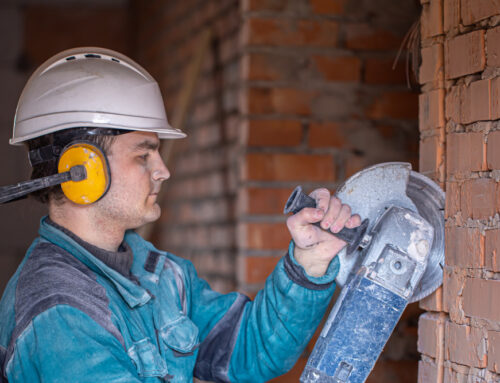
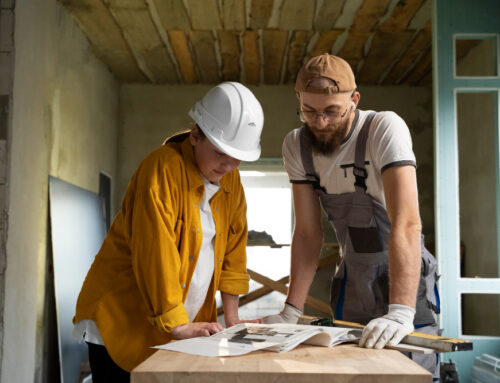
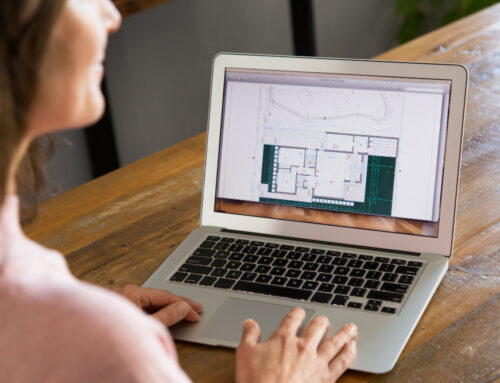
Renovating your home isn’t just about solving today’s problems—it’s an opportunity to plan ahead. Whether you’re updating a tired layout, building an extension, or upgrading energy efficiency, every renovation project is a chance to future-proof your home for the way you’ll live in five, ten, or even twenty years.
A future-proofed home is one that’s flexible, energy-efficient, low-maintenance, and ready to adapt to changing technologies, lifestyles, and needs. It also offers better long-term value, saving you from costly upgrades or rework down the line.
In this guide, we explore how to future-proof your home during renovation—so the improvements you make today continue to work for you tomorrow.
Start with a Long-Term Vision
Before you pick up a sledgehammer or draw up plans, take a step back. Think about how your needs might change in the years ahead.
- Will your family grow or shrink?
- Are you planning to work from home more?
- Could your mobility or accessibility requirements change as you age?
- Is your property likely to increase in value—or hit a ceiling?
- Are you preparing to rent or sell the home in future?
Answering these questions early will help guide your renovation plans. A good builder or architect can help you consider how today’s choices affect future usability, comfort, and costs.
Design for Flexibility
One of the key principles of future-proofing is flexibility. Your home should be able to adapt to different uses over time without major alterations.
Features to consider include:
- Multi-purpose rooms that can be used as an office, guest bedroom, or hobby space depending on your needs
- Open-plan layouts that allow for reconfiguration in the future
- Wide doorways and generous circulation spaces that support accessibility or potential mobility aids
- Loft spaces or basements that can be easily converted later
- Zoned heating and electrics to allow different areas to be used independently
Planning flexibility into your design means your home can grow and shift with you, rather than against you.
Prioritise Energy Efficiency
Energy costs are unlikely to fall significantly any time soon. Making your home as energy-efficient as possible during renovation is one of the smartest long-term investments you can make.
Key energy upgrades include:
- High-performance insulation in walls, floors, and lofts
- Triple-glazed or high-quality double-glazed windows
- A-rated or above energy-efficient doors
- Airtightness improvements to reduce drafts and thermal bridging
- Mechanical ventilation with heat recovery (MVHR) to improve air quality without losing heat
These upgrades not only lower your monthly bills, they also reduce your carbon footprint and improve resale appeal—especially as EPC regulations tighten in the UK housing market.
Integrate Smart Home Technology
Smart home systems are no longer just gadgets for tech enthusiasts—they’re fast becoming standard features in modern homes. Renovation is the perfect time to integrate smart infrastructure that adds convenience, efficiency, and security.
Consider including:
- Smart thermostats for better control over heating and energy use
- Smart lighting systems with dimmers, scenes, and remote access
- Integrated data cabling for reliable Wi-Fi and home networks
- Smart security systems including cameras, sensors, and doorbells
- Voice control compatibility with popular platforms like Alexa or Google Home
By pre-wiring for smart tech—even if you don’t install it straight away—you make it easy to add new features later without expensive rework.
Invest in Durable, Low-Maintenance Materials
It’s tempting to choose materials based on price or short-term looks, but the smartest renovations use finishes and systems that can stand the test of time.
Look for materials that are:
- Hardwearing and resistant to wear, moisture, and temperature changes
- Easy to maintain, requiring minimal cleaning or upkeep
- Timeless in style, avoiding passing trends that may date your home
- Recyclable or sustainably sourced, for future environmental performance
Examples include composite decking, porcelain tiles, solid surface worktops, uPVC or aluminium windows, and fibre cement cladding. Choosing once—and choosing well—pays off in lower running costs and less need for future replacements.
Build in Storage Wherever You Can
Clutter makes even large homes feel cramped. A renovation project is the ideal time to integrate built-in storage that keeps your home organised and future-ready.
Smart storage ideas include:
- Full-height cupboards along hallways and under stairs
- Eaves and loft storage accessible via built-in cabinetry or pull-down access
- Utility or boot rooms with space for coats, shoes, and laundry
- Window seats with hidden storage
- Built-in alcove shelving or cupboards
Storage is one of the most underappreciated features in home design—but one that consistently improves day-to-day living.
Consider Lifetime Homes Principles
Even if you’re not thinking about ageing in place just yet, integrating accessibility features into your renovation can help your home adapt to changing needs—whether for you, your family, or future buyers.
These might include:
- Level access entries or gentle ramps
- Wider doorways and corridors
- Ground-floor bathrooms or flexible room use
- Reinforced walls for future grab rails or hoists
- Step-free showers or wet rooms
These features can be subtle, well-designed, and built in from the beginning—saving huge amounts of time and money if your circumstances change down the line.
Upgrade Your Heating System Intelligently
If you’re replacing your boiler, radiators, or plumbing during renovation, think beyond what’s “standard” today and consider what will still make sense ten years from now.
Future-ready heating options include:
- Underfloor heating, which runs more efficiently at lower temperatures and pairs well with modern insulation
- Zoned controls, so rooms can be heated independently
- Low-carbon alternatives like air source or ground source heat pumps
- Hydrogen-ready boilers, which can adapt as infrastructure evolves
- Pre-insulated pipework for minimal heat loss
Heating systems are expensive to retrofit—so choose solutions now that align with the UK’s push for lower-emission housing.
Maximise Natural Light and Ventilation
A well-lit, well-ventilated home is more pleasant to live in, more energy efficient, and more attractive to future buyers. As part of your renovation, look for ways to increase daylight and passive airflow.
Strategies include:
- Larger windows or bifold doors to draw in natural light
- Rooflights or sun tunnels in dark hallways or lofts
- Ventilated eaves, trickle vents, or passive stack ventilation
- Cross-ventilation layouts that allow airflow between windows and doors
Natural light boosts wellbeing and reduces energy use. Combined with good ventilation, it also helps prevent damp, mould, and overheating.
Add Renewable Energy Infrastructure (Even If Not Yet Used)
If your renovation includes roof work, electrical upgrades, or garden landscaping, it’s worth planning for the future integration of renewable energy.
Even if you don’t install solar panels, EV chargers, or battery storage right now, prepare your home for them.
This might include:
- Pre-wiring for solar PV
- Roof strengthening or orientation planning
- Conduits and cabling for an EV charger
- Location for an inverter or battery system
- Spare capacity in your consumer unit
As energy costs rise and green requirements increase, having this infrastructure ready will save money and disruption later.
Think About Future Connectivity and Tech Use
Home connectivity is now a necessity, not a luxury. Modern families rely on fast, stable internet for work, school, streaming, and smart devices.
During your renovation:
- Run Ethernet cabling to key rooms for fast, wired internet
- Install network points in lofts, garages, and garden rooms
- Choose Wi-Fi mesh systems for consistent coverage throughout
- Add USB plug sockets in bedrooms, offices, and kitchens
- Create space in a central location for a router, switch, and backup power supply
Connectivity will only become more important in the coming years, so laying the groundwork now gives your home a long-term advantage.
Conclusion: Plan Today for the Home You’ll Need Tomorrow
A renovation isn’t just a short-term fix—it’s a long-term investment in how you live. By taking the opportunity to future-proof your home, you create a space that works harder, lasts longer, and adapts better to the changes life brings.
From energy performance and flexible design to smart technology and low-maintenance finishes, the decisions you make now can protect you from rework, rising bills, and lifestyle limitations later on.
Work with your builder, architect, or designer to ensure your renovation doesn’t just solve today’s problems—but sets you up for a better, more sustainable future.