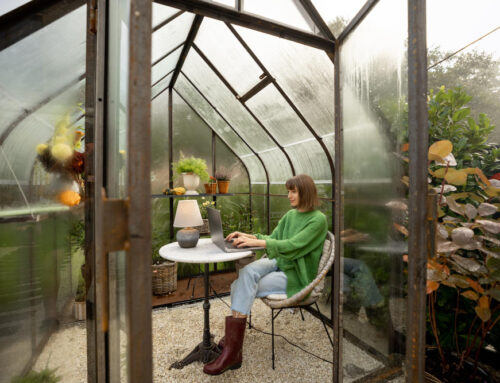
A conservatory is a fantastic way to bring more natural light into your home and create an inviting space that connects indoor and outdoor living.
However, without proper insulation and climate control, conservatories can become too hot in summer and too cold in winter, making them uncomfortable for year-round use.
Many homeowners struggle to maintain a comfortable temperature in their conservatory, leading to excessive heating costs in winter and unbearable heat during summer. The key to solving this problem is insulation, ventilation, glazing, and efficient heating and cooling solutions.
This guide will explore practical and cost-effective ways to regulate the temperature in your conservatory, ensuring it remains a comfortable living space in all seasons.
Why Do Conservatories Suffer from Temperature Extremes?
Unlike traditional extensions, conservatories have large glass panels and lightweight roofs, which allow heat to escape in winter and create a greenhouse effect in summer. The primary reasons for extreme temperature fluctuations include:
- Single-glazed or poorly insulated glass that does not retain heat effectively.
- Lack of thermal insulation in the roof, walls, and floor.
- Limited ventilation, leading to excessive heat buildup in warm months.
- Inefficient heating solutions, making it difficult to maintain warmth in winter.
By addressing these issues, you can transform your conservatory into a functional and energy-efficient space that is comfortable all year round.
How to Keep Your Conservatory Warm in Winter
Upgrade to Energy-Efficient Glazing
The biggest source of heat loss in a conservatory is through poorly insulated glass. If your conservatory has single glazing, upgrading to double or triple glazing will significantly improve heat retention.
Low-emissivity (Low-E) glass is another excellent option, as it has a special coating that reflects heat back into the room while still allowing natural light to enter.
Improve Roof Insulation
A traditional polycarbonate or glass roof provides little insulation, allowing heat to escape quickly. Replacing it with a solid or tiled roof can dramatically improve temperature control.
If replacing the roof is not an option, consider internal roof insulation panels or thermal blinds to reduce heat loss.
Install a Proper Heating System
To maintain a comfortable temperature in winter, you need an efficient heating solution that distributes warmth evenly. The best options include:
- Underfloor heating, which provides consistent warmth and eliminates the need for bulky radiators.
- Electric radiators or panel heaters, which are energy-efficient and can be programmed for specific heating times.
- Extending central heating into the conservatory, if your system has the capacity.
Use Thermal Blinds and Curtains
Thick thermal blinds, curtains, or insulated shutters act as an extra barrier to prevent heat loss. At night, closing them helps retain warmth, while during the day, they can be opened to allow sunlight to warm the space naturally.
Seal Draughts and Improve Flooring Insulation
Cold air can seep into your conservatory through gaps in doors, windows, and flooring. Sealing these draughts with weatherstripping and insulating the floor with thick rugs, carpets, or underfloor insulation can help maintain a steady temperature.
How to Keep Your Conservatory Cool in Summer
Use Solar-Control Glass or Window Films
In summer, excessive sunlight can turn your conservatory into a heat trap. If installing new glazing isn’t an option, applying solar-control film to windows can help reflect heat and reduce glare without blocking natural light.
Alternatively, investing in solar-reflective glass will regulate temperature more effectively by preventing excessive heat from entering.
Upgrade the Roof for Better Sun Protection
A glass or polycarbonate roof can cause overheating due to direct sun exposure. If replacing it with a solid or tiled roof isn’t an option, consider:
- Roof blinds or reflective window film, which help block excess heat.
- An awning or pergola, which provides shade while maintaining airflow.
Ensure Proper Ventilation
A lack of airflow is a major cause of overheating in conservatories. Improving ventilation can make a big difference in cooling the space. The best ways to achieve this include:
- Opening roof vents and windows to allow hot air to escape.
- Installing ceiling fans to circulate air and create a cooling breeze.
- Using trickle vents to ensure constant airflow without needing to leave windows fully open.
Install Air Conditioning or Portable Cooling Units
For those particularly hot days, an air conditioning unit or portable evaporative cooler can help maintain a comfortable temperature. If installing air conditioning, opt for an energy-efficient model with a programmable thermostat to keep running costs low.
Use Light-Coloured Window Coverings
Darker materials absorb heat, making the room feel warmer. Choosing light-coloured blinds or curtains will reflect sunlight instead of trapping heat inside. Reflective blinds, in particular, help block UV rays and keep temperatures down.
Add Exterior Shade and Greenery
External shading solutions can significantly reduce the amount of heat entering your conservatory. Options include:
- Retractable awnings or pergolas, which provide shade while allowing airflow.
- Climbing plants or trees, which offer natural shade and help absorb heat.
Strategically placing potted plants indoors can also improve air quality and create a cooler environment.
Additional Tips for Year-Round Comfort
Install Smart Temperature Controls
Using smart thermostats or programmable heating and cooling systems can help maintain a consistent temperature without excessive energy usage. These devices allow you to:
- Set heating and cooling schedules based on the time of day.
- Adjust the temperature remotely via a smartphone app.
- Reduce energy waste by heating or cooling only when needed.
Use a Dehumidifier to Control Moisture Levels
Conservatories can trap humidity, leading to condensation and an uncomfortable climate. Using a dehumidifier helps maintain optimal humidity levels, preventing excess moisture buildup and improving air quality.
Combine Multiple Solutions for Maximum Efficiency
No single solution will solve all temperature problems. The best approach is to combine several methods to create a well-balanced conservatory environment. For example, pairing roof insulation with thermal blinds and solar-control glass ensures both heat retention in winter and cooling in summer.
Final Thoughts
Keeping your conservatory warm in winter and cool in summer requires a combination of insulation, ventilation, and efficient heating or cooling solutions. Upgrading to high-performance glazing, improving roof insulation, and using smart climate controls will help you create a comfortable, energy-efficient space that you can enjoy throughout the year.
By addressing the underlying issues of heat loss and heat gain, you can transform your conservatory into a fully functional living area without excessive energy costs. Whether you use it as a home office, dining space, or relaxation area, these solutions will help you make the most of your conservatory in every season.