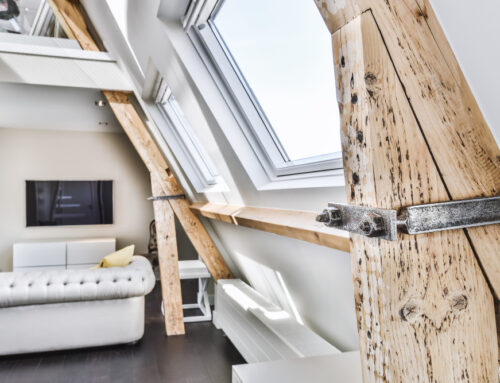
A conservatory is a fantastic way to bring more natural light into your home, create additional living space, and connect your indoor and outdoor areas.
However, many homeowners struggle with temperature extremes, as conservatories can become too hot in summer and too cold in winter. Without proper insulation and energy-efficient upgrades, a conservatory can end up being an uncomfortable and costly space to heat or cool.
If you want to enjoy your conservatory year-round, improving its energy efficiency is essential. By making the right modifications, you can reduce heat loss in winter, prevent overheating in summer, and lower your energy bills.
Upgrade Your Conservatory Roof for Better Insulation
One of the biggest sources of heat loss in winter and heat gain in summer is the roof. Traditional conservatories often have polycarbonate or single-glazed glass roofs, which offer little insulation.
Roof insulation solutions include:
- Installing a solid or tiled roof – Replacing a polycarbonate or glass roof with a solid, insulated tiled roof can significantly improve energy efficiency. A solid roof helps regulate temperature and makes the conservatory feel more like a permanent living space. Some modern tiled conservatory roofs come with integrated insulation, reducing heat loss.
- Adding internal roof insulation – If replacing the roof is not an option, installing insulated ceiling panels inside the existing structure can help retain heat in winter and reduce heat penetration in summer.
- Upgrading to energy-efficient glass roof panels – If you prefer to keep a glass roof for natural light, upgrading to high-performance glazing with built-in insulation can make a huge difference. Low-emissivity (Low-E) glass reflects heat in summer and retains warmth in winter, making the conservatory more comfortable year-round.
Improve Wall and Floor Insulation
While conservatory walls are mostly glass, insulating any solid walls and floors can improve thermal efficiency.
- Wall insulation – If your conservatory has partial brick walls, adding internal insulation can help retain heat. Using insulated plasterboard or applying thermal cladding will improve energy retention and reduce heat loss.
- Floor insulation – A conservatory floor without insulation allows heat to escape quickly, making the space feel cold in winter. Installing insulated underlay beneath flooring materials like tiles, laminate, or carpet can help. Underfloor heating is another effective way to maintain an even temperature while being energy efficient.
Upgrade to Energy-Efficient Windows and Doors
Since most conservatories are made of glass, window and door insulation is crucial.
- Install double or triple glazing – If your conservatory still has single glazing, upgrading to double or triple glazing will significantly improve insulation. Double glazing with argon gas between the panes can reduce heat loss while blocking excessive summer heat. Triple glazing offers even more insulation but comes at a higher cost.
- Use Low-E glass – Low-emissivity (Low-E) glass has a microscopic coating that reflects heat back inside during winter while reducing solar heat gain in summer. This helps keep the conservatory at a stable temperature year-round.
- Improve door insulation – If your conservatory connects to the main house, ensuring that the door is well-insulated can prevent energy loss. Replacing old patio doors with energy-efficient bi-fold or French doors with double glazing can make a big difference.
Prevent Heat Loss and Gain with Smart Window Treatments
Glazing accounts for the most heat loss in winter and overheating in summer, so controlling light and temperature through window treatments is essential.
- Install thermal blinds or lined curtains – These help reduce heat loss in winter and prevent excessive heat gain in summer.
- Apply solar control film – Some films allow natural light in while blocking infrared heat, making them an effective energy-efficient solution.
- Use external shading solutions – Awnings, pergolas, or retractable shades provide extra protection against direct sunlight, reducing overheating in summer.
Improve Heating and Cooling Efficiency
To enjoy your conservatory year-round, you need an energy-efficient heating and cooling system.
- Underfloor heating – A low-energy way to heat a conservatory evenly, especially when combined with insulated flooring.
- Electric radiators – Programmable models allow you to heat the conservatory only when needed, saving energy.
- Heat pumps – Air-source heat pumps provide both heating in winter and cooling in summer.
- Ceiling fans – Improve airflow and reduce the need for air conditioning.
- Energy-efficient air conditioning – If you install an air conditioning unit, choose an energy-efficient model with an inverter motor.
- Natural ventilation – Opening roof vents or side windows helps create cross-ventilation, keeping the conservatory comfortable in hot weather.
Reduce Energy Use with Smart Technology
Integrating smart technology into your conservatory can help reduce energy consumption while maintaining comfort.
- Smart thermostats – A smart thermostat can adjust heating and cooling based on usage patterns, preventing overheating or unnecessary heating. Models like Nest or Hive allow you to control the temperature remotely and optimise energy efficiency.
- Automated blinds – Motorised smart blinds can be set to open or close depending on the temperature and time of day. Some models even sync with weather apps to automatically regulate sunlight exposure.
- Smart lighting – Switching to LED lighting is a simple way to reduce energy use. LED bulbs are far more energy-efficient than traditional incandescent bulbs, and installing motion sensors or timers ensures that lights are only used when needed.
Choose Sustainable and Energy-Efficient Materials
If you’re renovating or building a new conservatory, choosing eco-friendly materials can improve thermal performance and sustainability.
- Sustainable insulation – Natural insulation materials like sheep’s wool, hemp, or recycled cellulose provide excellent thermal retention while being environmentally friendly.
- Eco-friendly roofing materials – A green roof (also known as a living roof) can provide natural insulation and reduce heat buildup. Recycled composite roof tiles are another sustainable option that offers better insulation than standard materials.
- Sustainable flooring – Bamboo, reclaimed wood, or cork flooring are all sustainable choices that also provide good insulation.
Maintain Your Conservatory for Long-Term Efficiency
Regular maintenance can help keep your conservatory energy-efficient for years to come.
- Check for draughts and air leaks – Seal gaps around windows, doors, and roof panels to keep the space airtight. Draught excluders for doors and weatherproofing strips for window frames can further enhance insulation.
- Keep windows and roof panels clean – Clean glass surfaces allow more natural light to penetrate, reducing the need for artificial lighting and heating.
- Inspect insulation regularly – Check for damp or damage in insulation materials. If insulation becomes compromised, replacing it promptly will ensure the conservatory remains energy-efficient.
Creating a Comfortable, Energy-Efficient Conservatory
Making your conservatory more energy-efficient involves improving insulation, upgrading glazing, optimising heating and cooling, and using smart design solutions. With the right upgrades, you can create a space that remains warm in winter, cool in summer, and energy-efficient all year round.
By following these steps, you’ll not only reduce energy bills but also make your conservatory a more enjoyable and sustainable part of your home. If you’re planning a conservatory renovation, consider integrating eco-friendly and energy-saving solutions from the start.