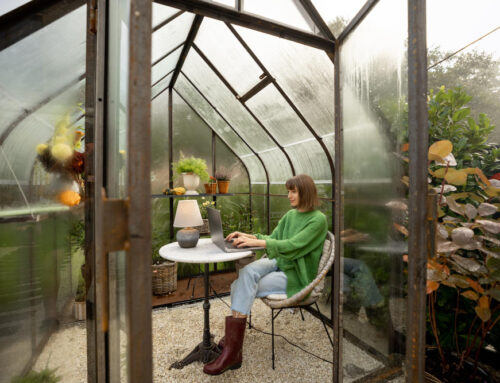
Conservatories are often one of the brightest areas of a home, yet they are also one of the least used. Too hot in summer, too cold in winter, and difficult to integrate with the rest of the house, many conservatories end up becoming storage rooms rather than living spaces. The problem is rarely the idea of a conservatory itself, but how it was originally designed and built.
Turning a conservatory into a year-round living space is entirely achievable, but it requires more than cosmetic changes. Insulation, structure, glazing, heating, ventilation, and layout all need to work together to create a comfortable environment in every season. Without addressing these fundamentals, even the best furniture and finishes will fail to solve the underlying issues.
This guide explains how to transform an underused conservatory into a practical, comfortable living space that feels like a natural extension of the home. By understanding what needs to change and why, homeowners can make informed decisions that deliver lasting results rather than temporary fixes.
Understand Why Most Conservatories Are Seasonal
Before making improvements, it is important to understand why conservatories struggle with year-round comfort. Most are built with lightweight materials, extensive glazing, and minimal insulation. These features maximise light but compromise thermal performance.
In summer, solar gain causes overheating, while in winter heat loss makes the space expensive to warm. Poor integration with the main house often worsens the problem, creating temperature extremes rather than balance. Recognising these limitations helps shape effective solutions.
Fixing the cause is more effective than masking symptoms.
- Lightweight roofs allow excessive heat loss and gain
- Older glazing performs poorly in extreme temperatures
- Minimal insulation fails to regulate internal conditions
- Poor integration creates thermal imbalance with the house
Decide How You Want to Use the Space
A year-round conservatory must be designed around how it will actually be used. A dining space, family room, home office, or playroom each has different comfort, lighting, and acoustic requirements. Defining purpose early avoids compromise later.
Usage determines heating needs, layout, and level of insulation required. A space used daily needs a higher standard than one used occasionally. Designing for real life ensures the finished space is genuinely usable.
Purpose drives performance.
- Decide the primary function of the space
- Consider how often it will be used year-round
- Align comfort expectations with intended use
- Avoid vague goals that lead to poor decisions
Upgrade the Roof for Thermal Performance
The roof is the single most important element in converting a conservatory into a year-round room. Polycarbonate and glass roofs are major contributors to temperature extremes. Replacing or upgrading the roof dramatically improves comfort.
Solid insulated roofs, tiled roofs, or hybrid solutions reduce heat loss in winter and limit overheating in summer. Roof choice also affects acoustics and visual integration with the house. Structural assessment may be required before replacement.
Roof upgrades deliver the biggest comfort improvement.
- Replace polycarbonate or basic glass roofs
- Install insulated solid or hybrid roofing systems
- Improve acoustic comfort during rain and wind
- Ensure roof structure can support upgrades
Improve Glazing Without Losing Light
Glazing is central to the conservatory’s appeal, but it must balance light with performance. Older double glazing or single glazing allows excessive heat transfer, making temperature control difficult.
Modern high-performance glazing improves insulation while maintaining brightness. Solar control coatings can reduce overheating without darkening the space. Selective replacement may be sufficient in some cases.
Better glazing supports comfort without sacrificing light.
- Upgrade to high-performance double or triple glazing
- Use solar control glass to limit overheating
- Replace failing seals and frames
- Balance glazing area with thermal efficiency
Insulate Floors and Walls Properly
Many conservatories are built on uninsulated bases, allowing cold to rise through the floor in winter. Walls may also lack insulation, particularly dwarf walls or lightweight constructions.
Adding insulation to floors and walls significantly improves thermal stability. This work may require lifting floors or adding internal linings, but the comfort gains are substantial. Insulation should meet modern residential standards.
Hidden insulation makes visible comfort.
- Insulate floors to prevent cold bridging
- Upgrade wall insulation where possible
- Address draughts around frames and junctions
- Improve airtightness without compromising ventilation
Integrate the Conservatory with the Main House
Conservatories often feel disconnected because they are thermally and visually separated from the rest of the home. Narrow doors, steps, or stark material changes reinforce this divide.
Removing barriers and aligning levels creates continuity. Openings may need structural support, and careful detailing ensures compliance. Integration makes the conservatory feel like part of the house, not an add-on.
Connection enhances usability.
- Widen openings between house and conservatory
- Remove unnecessary steps or level changes
- Match flooring and finishes for continuity
- Ensure structural changes are properly designed
Install Proper Heating Solutions
Temporary heaters rarely provide consistent comfort. A year-round living space needs a permanent, efficient heating solution that integrates with the rest of the home.
Underfloor heating works well in conservatories, providing even warmth without occupying wall space. Radiators or low-temperature systems can also be effective when sized correctly. Heating should be designed alongside insulation improvements.
Heating completes the comfort equation.
- Install permanent heating systems
- Consider underfloor heating for even warmth
- Size heating to match improved insulation levels
- Integrate controls with the main house system
Manage Ventilation and Air Quality
A comfortable conservatory must breathe properly. Improved insulation and airtightness increase the need for controlled ventilation to prevent condensation and overheating.
Roof vents, opening windows, and mechanical ventilation help regulate air quality. Ventilation should be designed to work year-round, not just in summer. Good airflow protects both comfort and fabric.
Ventilation balances insulation.
- Provide controllable ventilation routes
- Prevent condensation through airflow design
- Use roof vents or mechanical systems where needed
- Avoid sealing the space without ventilation planning
Address Overheating with Shading and Design
Even with improved glazing, conservatories can overheat if shading is ignored. Solar gain must be managed through both internal and external solutions.
Blinds, roof shading, and external canopies reduce heat build-up. Landscaping such as planting can also provide natural shading. Overheating control should be planned, not reactive.
Shading supports summer comfort.
- Install blinds or roof shading systems
- Use external shading to block direct sun
- Consider orientation and sun path
- Avoid relying solely on ventilation to cool the space
Update Electrical and Lighting Design
Lighting designed for occasional use often falls short in a year-round living space. Proper lighting improves usability during darker months and supports different activities.
Layered lighting including ambient, task, and accent options creates flexibility. Electrical upgrades may be required to support heating, lighting, and technology. Lighting design should complement the new role of the space.
Lighting defines atmosphere.
- Upgrade lighting for year-round use
- Use layered lighting for flexibility
- Improve electrical capacity where required
- Integrate controls with the main house
Ensure Compliance with Building Regulations
Turning a conservatory into a year-round living space often triggers building regulation requirements. Thermal performance, structure, glazing, and heating must meet residential standards.
Ignoring compliance can cause problems during resale or insurance claims. Engaging building control early ensures work is carried out correctly. Compliance protects long-term value.
Regulations safeguard quality.
- Check when building regulations apply
- Upgrade elements to meet current standards
- Involve building control where required
- Keep certification and documentation
Budget Realistically for the Full Upgrade
Many homeowners underestimate the cost of making a conservatory truly usable year-round. Cosmetic updates alone rarely deliver results. Structural and thermal upgrades represent the majority of investment.
A realistic budget includes insulation, roofing, glazing, heating, and finishes. Allowing contingency avoids compromise. Quality upgrades provide long-term return through comfort and value.
Realistic budgeting prevents disappointment.
- Budget for structural and thermal improvements
- Include professional and compliance costs
- Allow contingency for hidden issues
- Prioritise performance over appearance
Decide Whether Conversion or Replacement Is Best
In some cases, upgrading an existing conservatory may not be the most effective option. Older structures with poor foundations or frames may be better replaced with a solid extension.
Assessing whether conversion or replacement offers better value is essential. Professional advice helps determine feasibility. The right choice balances cost, longevity, and outcome.
Sometimes rebuilding is the smarter option.
- Assess structural suitability of the existing conservatory
- Compare conversion costs with replacement
- Consider long-term performance and value
- Avoid investing heavily in unsuitable structures
Choose Professionals Experienced in Conservatory Upgrades
Conservatory conversions sit between renovation and extension work. Experience matters. Professionals familiar with these projects understand the thermal, structural, and regulatory challenges involved.
Choosing the right team ensures solutions are practical, compliant, and durable. Poor workmanship undermines even the best design. Experience delivers confidence.
Expertise protects results.
- Work with builders experienced in conservatory upgrades
- Involve designers and engineers where needed
- Prioritise build quality and compliance
- Avoid treating the project as cosmetic only
Conclusion
Turning a conservatory into a year-round living space is about transforming how the space performs, not just how it looks. By addressing insulation, roofing, glazing, heating, ventilation, and integration, conservatories can become comfortable, functional parts of the home in every season.
With clear goals, realistic budgeting, and professional expertise, homeowners can reclaim underused space and add genuine value to their property. When done properly, a conservatory conversion creates a bright, comfortable room that works all year, not just on sunny days.