Older homes are full of character, craftsmanship, and architectural charm, but they are not always designed with modern energy efficiency in mind. Many period and mid-century properties were built long before today’s insulation standards, efficient heating systems, and energy-saving technologies became commonplace. As a result, they often lose heat more quickly, cost more to run, and can be less comfortable throughout the year.
Improving the energy performance of an older property does not have to mean compromising its original features or completely modernising its appearance. With careful planning and the right improvements, homeowners can significantly reduce energy consumption while preserving the character that makes older homes unique.
Modern energy upgrades not only lower household bills but also improve comfort, reduce carbon emissions, and increase the long-term value of a property. Whether you own a Victorian terrace, an Edwardian semi, a 1930s family home, or a traditional cottage, there are numerous ways to improve efficiency without losing the property’s identity.
Understanding where energy is being lost and which upgrades provide the greatest return on investment is the first step towards creating a warmer, more sustainable, and more economical home.
Start with a Professional Energy Assessment
Before beginning any renovation work, it is important to understand how your home currently performs.
An energy assessment helps identify priority improvements.
- Pinpoints areas of heat loss.
- Identifies inefficient building elements.
- Highlights opportunities for savings.
- Helps prioritise future upgrades.
A clear understanding of the property’s performance prevents unnecessary spending.
Improve Loft Insulation
Heat naturally rises, making the roof one of the largest sources of heat loss in older homes.
Loft insulation is often one of the most cost-effective upgrades.
- Reduces heat escaping through the roof.
- Improves year-round comfort.
- Lowers heating costs.
- Can often be installed with minimal disruption.
Even homes with existing insulation may benefit from modern materials.
Upgrade Wall Insulation
Many older properties have little or no wall insulation.
Improving insulation dramatically increases energy efficiency.
- Reduces heat loss through external walls.
- Improves internal comfort.
- Lowers heating demand.
- Helps maintain consistent temperatures.
The appropriate solution depends on the property’s construction.
Address Solid Wall Properties
Many period homes have solid brick or stone walls rather than cavity walls.
These require specialist insulation approaches.
- Internal insulation may be appropriate.
- External insulation may suit some properties.
- Breathable materials protect older buildings.
- Professional design helps avoid moisture problems.
Preserving the building fabric should remain a priority.
Replace Inefficient Windows Carefully
Older single-glazed windows contribute significantly to heat loss.
Modern replacements should balance efficiency and appearance.
- Double or triple glazing improves insulation.
- Draughts are significantly reduced.
- Noise reduction is often improved.
- Heritage styles can preserve character.
Conservation requirements should always be considered.
Eliminate Draughts
Small gaps around the home can have a surprisingly large impact on energy efficiency.
Draught proofing is one of the simplest improvements available.
- Seal doors and windows.
- Improve letterbox insulation.
- Fit draught excluders.
- Close unnecessary air gaps.
Reducing unwanted airflow improves comfort immediately.
Upgrade External Doors
Older external doors often allow heat to escape around their frames.
Modern improvements increase efficiency while maintaining appearance.
- Better insulated door construction.
- Improved weather seals.
- Enhanced security.
- Reduced heat loss.
Traditional designs can still achieve modern performance standards.
Modernise the Heating System
Older boilers and heating systems often consume far more energy than necessary.
Replacing outdated equipment improves efficiency.
- Modern boilers use less fuel.
- Heating responds more effectively.
- Running costs decrease.
- Reliability often improves.
Heating upgrades frequently deliver significant long-term savings.
Install Smart Heating Controls
Heating only works efficiently when it is properly controlled.
Modern technology makes energy management much easier.
- Programmable schedules reduce waste.
- Individual room temperatures can be managed.
- Heating adapts to occupancy.
- Remote control improves convenience.
Small changes in heating control can make a noticeable difference.
Improve Hot Water Efficiency
Heating water accounts for a significant proportion of household energy use.
Improving efficiency reduces overall consumption.
- Insulate hot water cylinders.
- Upgrade pipe insulation.
- Install efficient controls.
- Reduce unnecessary heat loss.
Every improvement contributes towards lower running costs.
Upgrade Flooring Insulation
Ground floors in older homes often allow significant heat loss.
Improved insulation increases comfort underfoot.
- Suspended timber floors can be insulated.
- Solid floors may be upgraded during renovation.
- Cold spots are reduced.
- Rooms retain heat more effectively.
Floor insulation complements wall and roof improvements.
Improve Ventilation Without Losing Heat
Energy-efficient homes still require adequate ventilation.
Poor airflow can create condensation and damp issues.
- Maintain healthy indoor air quality.
- Reduce excess moisture.
- Protect building materials.
- Improve occupant comfort.
Balanced ventilation supports both efficiency and health.
Choose Energy Efficient Lighting
Lighting improvements provide quick and affordable savings.
Modern LED technology uses significantly less electricity.
- Lower electricity consumption.
- Longer bulb lifespan.
- Reduced maintenance.
- Improved lighting quality.
Simple upgrades can reduce household energy usage immediately.
Replace Older Appliances
Household appliances continue improving in efficiency every year.
Replacing outdated models reduces electricity consumption.
- Modern appliances consume less energy.
- Operating costs decrease.
- Performance often improves.
- Environmental impact is reduced.
Efficiency ratings help guide purchasing decisions.
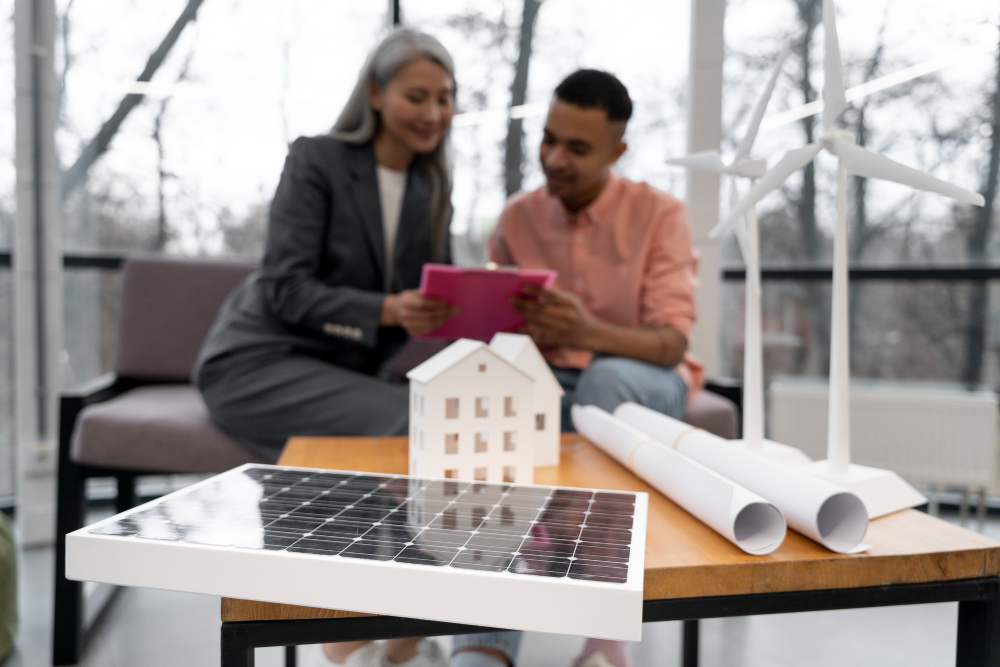
Consider Renewable Energy Solutions
Renewable technologies are becoming increasingly practical for many homeowners.
Suitability depends on the property and location.
- Solar panels generate electricity.
- Battery storage increases flexibility.
- Heat pumps reduce fossil fuel use.
- Renewable technologies improve sustainability.
Professional advice helps determine the most suitable system.
Upgrade Plumbing Where Necessary
Older plumbing systems may contribute to unnecessary energy waste.
Modernisation often improves efficiency.
- Better insulated pipework.
- More efficient hot water delivery.
- Reduced heat loss.
- Improved overall performance.
Plumbing upgrades often complement wider renovations.
Preserve Original Features
Energy improvements do not require sacrificing the character of an older property.
Many upgrades can be integrated sympathetically.
- Original fireplaces can remain features.
- Decorative mouldings can be preserved.
- Traditional materials may be retained.
- Historic appearance can be maintained.
Careful planning balances efficiency with heritage.
Think About Future Energy Standards
Building regulations and energy expectations continue to evolve.
Future-proofing reduces the need for repeated upgrades.
- Allow space for future technologies.
- Choose high-performance materials.
- Consider long-term maintenance.
- Plan renovations strategically.
Thinking ahead often provides better long-term value.
Work with Experienced Renovation Professionals
Older homes require specialist knowledge and careful planning.
Experienced professionals understand how to balance performance with preservation.
- Building fabric is protected.
- Suitable materials are recommended.
- Structural considerations are addressed.
- Energy improvements are integrated effectively.
Professional guidance reduces costly mistakes.
Increase Comfort as Well as Efficiency
Energy-efficient homes are not simply cheaper to run.
They are also more enjoyable places to live.
- Fewer cold spots.
- More stable indoor temperatures.
- Improved acoustic insulation.
- Better year-round comfort.
The overall living experience often improves significantly.
Conclusion
Upgrading an older home to meet modern energy standards is one of the most valuable investments a homeowner can make. While traditional properties often lose more heat than modern buildings, thoughtful improvements can dramatically increase comfort, reduce energy bills, and improve long-term sustainability without sacrificing architectural character.
The most successful projects begin by identifying where energy is currently being lost before prioritising improvements such as insulation, draught proofing, efficient heating systems, upgraded windows, and smart controls. By approaching renovations strategically, homeowners can spread costs over time while steadily improving the property’s overall performance.
Every home is different, particularly older buildings with unique construction methods and original features. This is why personalised planning and experienced professional advice are essential. The right approach protects the building while ensuring every improvement contributes to greater efficiency and long-term value.
As energy standards continue to evolve, investing in the performance of an older home helps future-proof the property for years to come. A well-planned renovation creates a home that retains its character while delivering the comfort, efficiency, and sustainability expected from modern living.