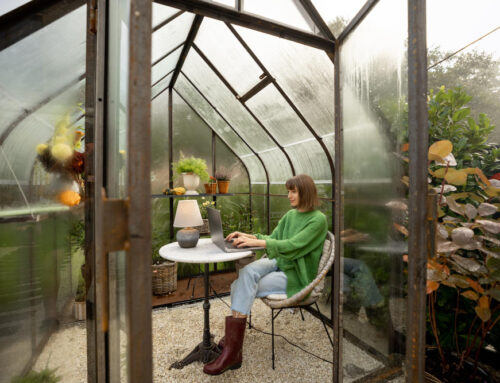
A garden room can be one of the most versatile and enjoyable additions to your property, offering a space for work, relaxation, or hobbies. However, while these structures excel in summer, they often become underused in winter due to cold temperatures and damp conditions. To make your garden room comfortable and functional all year round, it’s essential to winter-proof it properly.
Winter-proofing goes beyond simply adding a heater. It involves improving insulation, sealing draughts, maintaining good airflow, and protecting against moisture and frost. With the right combination of measures, you can create a warm, inviting space that remains comfortable even on the coldest days.
Insulating the Structure
Proper insulation is the foundation of a winter-ready garden room. Without it, heat quickly escapes through the walls, floor, and roof, making the space difficult and costly to heat. Investing in high-quality insulation ensures that warmth stays in and cold air stays out.
- Insulate walls with rigid foam boards or high-performance insulation panels.
- Install roof insulation to prevent heat loss through the top of the structure.
- Use insulated flooring or add thermal underlay beneath finishes.
- Ensure windows and doors are double-glazed to reduce heat transfer.
Sealing Draughts and Gaps
Even the best insulation won’t perform well if cold air seeps in through gaps or poorly sealed areas. Draught-proofing your garden room helps maintain a consistent temperature and improves energy efficiency. Attention to detail makes all the difference.
- Fit weather seals or rubber strips around doors and windows.
- Fill gaps between wall panels, floors, and skirting with expanding foam or sealant.
- Check for gaps around service entries such as cables or pipes.
- Install a draught excluder on external doors for extra protection.
Choosing Efficient Heating Solutions
The right heating system will keep your garden room cosy without driving up energy costs. Modern options allow for efficient, controllable warmth that suits the space’s size and usage patterns. Choosing wisely ensures comfort while minimising running costs.
- Use electric panel heaters with thermostats for consistent, adjustable heat.
- Consider underfloor heating for even warmth and a clutter-free finish.
- Fit programmable timers or smart controls to manage energy use efficiently.
- Explore renewable options such as infrared or air-source heat pumps for sustainability.
Improving Ventilation and Airflow
While it may seem counterintuitive, ventilation is just as important in winter as in summer. Without adequate airflow, condensation can build up, leading to damp, mould, and unpleasant odours. Controlled ventilation maintains air quality while preserving heat.
- Install trickle vents in windows to allow gentle airflow.
- Fit an extractor fan if the garden room includes a bathroom or kitchenette.
- Open windows occasionally to exchange stale air for fresh air.
- Use a dehumidifier to maintain balanced humidity levels.
Protecting Against Damp and Moisture
Damp is one of the most common problems in poorly winter-proofed garden rooms. It can damage finishes, encourage mould growth, and make the space uncomfortable. Preventing moisture from entering or lingering is key to long-term durability.
- Apply waterproof membranes beneath floors and within walls.
- Ensure the garden room sits on a solid, well-drained foundation.
- Keep gutters and downpipes clear to prevent leaks and water pooling.
- Use moisture-resistant materials for walls and flooring where possible.
Upgrading Windows and Doors
Windows and doors are often the weakest points in a garden room’s thermal envelope. Upgrading them can significantly improve insulation, comfort, and noise reduction. Well-chosen fittings also enhance the building’s aesthetic appeal.
- Replace single glazing with double or triple-glazed units.
- Opt for thermally broken aluminium or insulated uPVC frames.
- Fit curtains or thermal blinds to retain warmth at night.
- Ensure all hinges, seals, and locks are in good condition.
Flooring Options for Warmth and Comfort
Cold floors can make even a well-insulated garden room feel uncomfortable. Choosing flooring that retains heat and provides a soft surface underfoot helps create a cosy environment. Combining thermal materials with stylish finishes can enhance both comfort and design.
- Use engineered wood or luxury vinyl for a warm, durable finish.
- Add rugs or carpets for insulation and softness.
- Install underfloor heating beneath tiles or laminate for consistent warmth.
- Lay insulated boards beneath the final floor covering to trap heat.
Enhancing Lighting for Short Winter Days
Winter brings shorter daylight hours, making artificial lighting an important part of comfort and usability. The right lighting setup brightens the space and improves mood during darker months. Combining ambient and task lighting achieves both practicality and atmosphere.
- Use warm-white LED lights to create a cosy glow.
- Add task lighting for workspaces or reading areas.
- Install dimmers to adjust brightness depending on activity.
- Incorporate outdoor lighting to make the garden room accessible after dark.
Adding Soft Furnishings and Décor
Beyond structural improvements, the right furnishings can make a garden room feel much warmer and more inviting. Textures, fabrics, and colours all contribute to a sense of comfort and wellbeing during the colder months.
- Layer thick curtains or blinds to help insulate windows.
- Use cushions, throws, and rugs in warm, tactile fabrics.
- Choose colours like deep reds, earthy tones, or warm neutrals.
- Incorporate natural materials such as wood and wool for added cosiness.
Maintaining Your Garden Room Through Winter
Once your garden room is winter-proofed, regular maintenance ensures it remains in good condition. Preventative care helps identify potential problems early and keeps the structure performing efficiently throughout the season.
- Inspect seals, roofs, and gutters regularly for leaks or damage.
- Clean windows and vents to maintain light and airflow.
- Monitor humidity levels to prevent condensation or mould.
- Schedule professional servicing for heating systems if required.
Conclusion
A well-designed garden room should be as comfortable in winter as it is in summer. By combining effective insulation, draught-proofing, and heating with good ventilation and moisture control, you can enjoy a warm, welcoming space all year round.
Attention to materials, lighting, and furnishings enhances both comfort and energy efficiency. With thoughtful preparation and regular maintenance, your garden room can remain a true extension of your home, whatever the weather.