When it comes to home improvements, repairs, or extensions, many homeowners face a common dilemma: Should I do it myself or hire a professional builder? With the rise of online tutorials and the growing popularity of DIY culture, it’s tempting to take on jobs around the house single-handedly. DIY can be rewarding, cost-effective in some cases, and gives you full control over the project.
But there are significant reasons why hiring a professional builder is often the wiser route—especially for complex, time-consuming, or high-stakes projects. In this detailed blog post, we’ll explore the key differences between hiring a pro and going the DIY route, covering everything from cost, quality, and safety to legal obligations, timelines, and peace of mind.
The Rise of DIY: Why Homeowners Are Tempted
DIY has become increasingly popular in recent years thanks to:
- Countless YouTube tutorials and online guides
- A desire to save money on labour
- Greater access to tools and materials
- The satisfaction of completing a project yourself
For small tasks like painting, fitting shelves, or assembling flat-pack furniture, DIY is often a sensible and budget-friendly choice. But when it comes to more significant renovations—like structural changes, extensions, plumbing, roofing, or rewiring—the DIY approach carries real risks.
What Does a Professional Builder Bring to the Table?
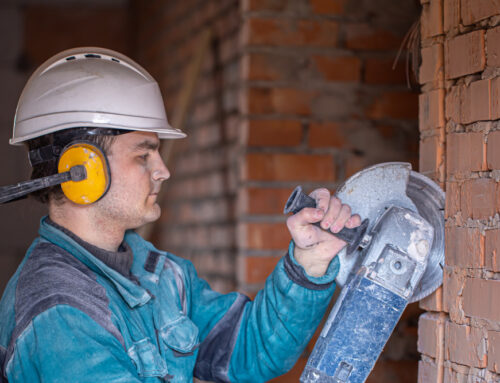
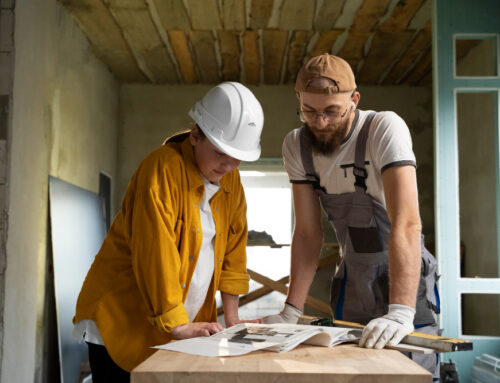
A professional builder isn’t just someone who carries out the physical work. They bring technical knowledge, experience, problem-solving skills, and regulatory understanding that’s hard to replicate through internet research alone.
Here’s what hiring a pro can offer:
Expertise and Experience
Professional builders spend years honing their skills through apprenticeships, on-the-job experience, and ongoing learning. They understand construction methods, building materials, timelines, and local regulations inside out.
What this means for you:
- Fewer mistakes or costly rework
- A smoother, more efficient build
- Expert problem-solving when unexpected issues arise
- Confidence that the job is being done right the first time
Speed and Efficiency
DIY projects often take far longer than expected. Lack of time, tools, or experience can delay progress—and some jobs require stopping and starting multiple times.
A professional builder, on the other hand:
- Works full time on your project
- Has access to a team or subcontractors
- Can sequence tasks efficiently to avoid delays
- Knows how to deal with suppliers and get materials on time
This often means the job is completed faster, with less disruption to your daily life.
Compliance with Building Regulations
In the UK, many home improvement projects—especially structural alterations, extensions, or electrical and plumbing work—must meet building regulations.
Hiring a builder familiar with these rules ensures that:
- Work is safe, legal, and compliant
- All necessary approvals and inspections are handled
- You receive proper documentation (like completion certificates)
If you DIY work that doesn’t comply, you may face fines, insurance issues, or trouble selling your home in the future.
Insurance and Warranties
Reputable builders carry public liability insurance, employer’s liability insurance, and sometimes offer warranties or guarantees for their work.
This gives you peace of mind knowing that:
- You’re covered if accidental damage occurs
- Any faults or defects will be fixed under warranty
- You’re not personally liable for injuries or mistakes
DIYers don’t have this safety net. If something goes wrong, you’re fully responsible—for the cost and consequences.
Access to Trade Discounts and Suppliers
Builders often have established relationships with suppliers and merchants, giving them access to:
- Better prices on materials
- Higher quality products
- Faster delivery times
- Trusted tradespeople (e.g. plumbers, electricians, plasterers)
While you might save on labour by going DIY, you could end up spending more on tools, equipment hire, and retail-priced materials.
The Hidden Costs of DIY
DIY might seem cheaper on the surface, but the true cost can quickly add up—especially when things don’t go as planned.
Common DIY Pitfalls
- Buying the wrong materials or tools
- Having to redo substandard work
- Causing damage to your home
- Getting injured while working
- Taking far longer than expected
- Facing penalties for non-compliance
Even skilled DIYers often underestimate the time, skill, and effort involved in professional-grade work.
When DIY Might Be Suitable
There’s absolutely a place for DIY in home maintenance and improvement—especially if you have the right tools, patience, and a clear understanding of your limits.
Good DIY Projects
- Painting and decorating
- Tiling small areas
- Assembling furniture
- Installing shelves or curtain rails
- Replacing door handles or locks
- Landscaping or garden maintenance
These tasks can save money and provide a sense of accomplishment—without the risks associated with larger-scale work.
When Hiring a Builder Makes More Sense
There are certain jobs that are almost always better left to professionals due to complexity, regulations, or safety concerns.
Projects That Need a Professional Builder
- Structural work (e.g. knocking down walls, extensions)
- Loft conversions or garage conversions
- Re-roofing or major roofing repairs
- New kitchens or bathrooms involving plumbing and electrics
- Foundations and drainage systems
- Installing windows and doors
- Any work requiring planning permission or building control
In these cases, the consequences of mistakes can be serious, expensive, and time-consuming.
Comparing DIY vs. Professional: Key Considerations
Let’s take a closer look at how DIY stacks up against hiring a builder in several key areas.
Cost
- DIY: Cheaper in terms of labour, but can become costly if you make mistakes or need to hire someone to fix it.
- Builder: More expensive upfront, but often better value in the long run thanks to fewer errors and faster completion.
Time
- DIY: Can drag on for weeks or months if you’re fitting it around other responsibilities.
- Builder: Works to a schedule, with a team to keep things moving efficiently.
Quality
- DIY: Depends on your skill level—some finishes may be uneven or below standard.
- Builder: Delivers professional-quality results that add value to your home.
Safety
- DIY: Increases the risk of injury or damage if you’re using unfamiliar tools or working at height.
- Builder: Trained in site safety and uses proper equipment and procedures.
Legal Compliance
- DIY: May unintentionally breach building regs or invalidate warranties.
- Builder: Knows the rules and ensures all work is fully compliant and approved.
Peace of Mind
- DIY: Can be stressful and uncertain, especially with complex jobs.
- Builder: Takes responsibility for the work, handles complications, and offers reassurance through contracts and warranties.
How to Choose the Right Builder
If you’ve decided to hire a professional, finding the right person or company is crucial. Here are some tips to help:
- Get multiple quotes and compare them carefully
- Check references and reviews from past clients
- Ask to see examples of previous work
- Ensure they are fully insured
- Confirm whether they are registered with a professional body like FMB or TrustMark
- Request a written contract detailing the scope of work, costs, timeline, and payment schedule
Taking the time to choose wisely pays off in better results and a smoother process.
Can You Combine DIY and Professional Help?
Yes—and for many homeowners, this hybrid approach works brilliantly.
Examples of a Blended Strategy
- Hire a builder for structural work, but decorate the room yourself
- Let professionals handle plumbing or electrics, but lay flooring on your own
- Use a builder for the shell of an extension, then take over finishing touches
This approach can save money while still ensuring the critical elements are done safely and correctly.
Final Thoughts
There’s no one-size-fits-all answer when it comes to home improvement. For some tasks, DIY can be cost-effective, rewarding, and practical. But when safety, structure, value, and compliance are on the line, a professional builder brings knowledge, efficiency, and peace of mind that DIY simply can’t match.
If you’re unsure, start by speaking to a builder. Many offer free quotes and advice, helping you understand the scope and feasibility of your project. From there, you can decide what’s worth tackling yourself—and what’s best left to the experts.
In the long run, hiring the right professional could save you time, money, stress, and costly repairs—and leave you with a safer, better-built home that you can enjoy for years to come.