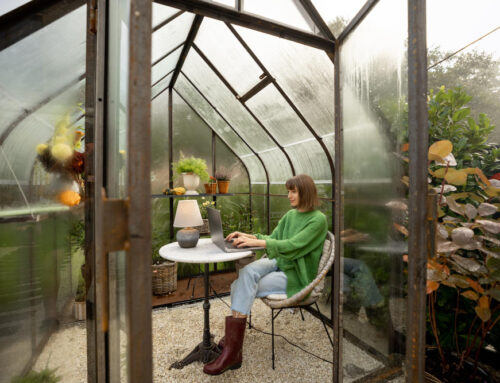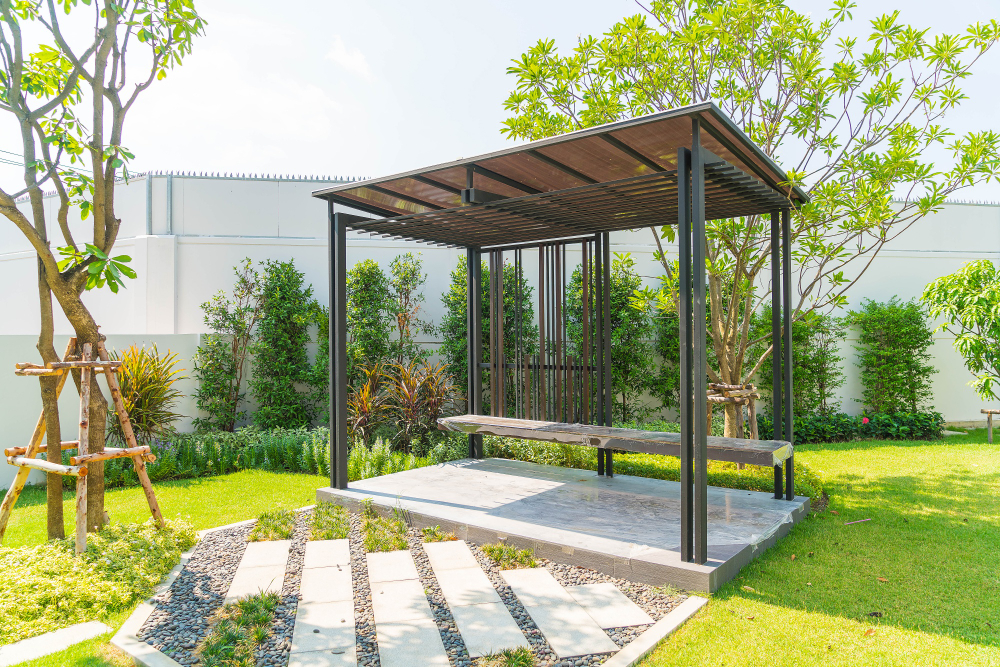
Outdoor structures can add enormous value to a property. Whether it is a pergola, veranda, garden room, gazebo, summer house, outdoor kitchen, carport, or covered seating area, these features extend living space beyond the walls of the home and create opportunities to enjoy the garden throughout the year.
However, the UK climate presents unique challenges. Rain, wind, frost, fluctuating temperatures, moisture, and occasional extreme weather all place considerable stress on outdoor structures. Without proper weatherproofing, even well-built installations can deteriorate prematurely, resulting in costly repairs, reduced lifespan, and diminished appearance.
Many homeowners focus heavily on the initial design and construction but give less thought to long-term weather protection. In reality, weatherproofing should be considered from the earliest planning stages. The materials selected, the structural design, drainage arrangements, finishes, and maintenance strategy all contribute to how well a structure performs over time.
Effective weatherproofing is not about making a structure completely immune to the elements. Instead, it is about managing moisture, protecting materials, and designing for the realities of British weather.
This guide explores the best ways to weatherproof outdoor structures in the UK and explains how thoughtful planning can improve durability, appearance, and year-round usability.
Outdoor structures are constantly exposed to environmental conditions that indoor spaces never experience.
The best weatherproofing strategies begin with good design rather than relying solely on protective treatments later.
Start With Weather-Resistant Design Principles
The most effective weatherproofing begins before construction even starts. A poorly designed structure will always struggle regardless of how many protective coatings or treatments are applied later.
Good design helps manage water, wind, temperature changes, and moisture movement naturally. Roof overhangs, drainage details, ventilation gaps, and appropriate material choices all contribute to long-term performance.
The goal is to minimise opportunities for water accumulation and material deterioration.
Prevention is more effective than repair.
Smart design reduces future maintenance requirements.
A well-designed structure naturally handles weather challenges more effectively.
- Prioritise weather-conscious design from the outset
- Minimise areas where water can collect
- Incorporate effective drainage features
- Design for long-term durability
Choose Suitable Materials for UK Conditions
Material selection has a major influence on how well an outdoor structure performs. Some materials naturally resist moisture and weathering more effectively than others.
Timber, steel, aluminium, composite materials, masonry, and various roofing products all have different strengths and maintenance requirements.
Selecting materials based on appearance alone can create problems later if durability is overlooked.
The local climate should influence every material choice.
Performance matters just as much as aesthetics.
The right materials reduce long-term maintenance demands.
- Select materials suited to outdoor exposure
- Balance appearance with durability
- Consider long-term maintenance requirements
- Choose products proven in UK conditions
Protect Timber Against Moisture
Timber remains one of the most popular materials for outdoor structures because of its natural appearance and versatility. However, it is also particularly vulnerable to moisture if left unprotected.
Water can lead to swelling, warping, rot, fungal growth, and structural deterioration over time.
Protective treatments, stains, paints, and preservatives help extend the lifespan of timber significantly.
Regular maintenance remains essential even when treated.
Moisture control is the key to timber longevity.
Protection should be viewed as an ongoing process.
Quality treatment dramatically improves performance.
- Apply suitable timber preservatives
- Use exterior-grade paints or stains
- Recoat surfaces as required
- Protect vulnerable joints and end grain
Ensure Effective Roof Protection
The roof is the first line of defence against weather. Whether the structure has a solid roof, polycarbonate panels, glazing, or open slatted design, water management remains critical.
Poor roofing details can lead to leaks, staining, structural damage, and reduced usability.
Roof materials should be selected with both performance and maintenance in mind.
A reliable roof protects everything beneath it.
Weatherproofing often starts from the top down.
Water should be directed away efficiently.
- Use durable roofing materials
- Ensure proper roof pitch where required
- Prevent water ingress effectively
- Maintain roof systems regularly
Install Proper Drainage Systems
One of the most common causes of deterioration is poor drainage. Water that is not directed away properly can accumulate around structural elements and accelerate wear.
Gutters, downpipes, drainage channels, and ground-level water management all contribute to performance.
Effective drainage protects both the structure and surrounding surfaces.
Standing water creates unnecessary risks.
Water should never be allowed to linger.
Good drainage supports long-term durability.
- Install gutters where appropriate
- Direct water away from foundations
- Prevent standing water accumulation
- Maintain drainage systems regularly
Improve Ventilation Throughout the Structure
Ventilation is often associated with indoor spaces, but it is equally important for many outdoor structures.
Good airflow helps moisture evaporate, reduces condensation, and limits opportunities for mould or rot development.
Enclosed garden rooms, summer houses, and covered outdoor spaces particularly benefit from proper ventilation design.
Air movement supports material longevity.
Dry structures generally perform better.
Ventilation works alongside waterproofing rather than replacing it.
- Encourage natural airflow
- Reduce trapped moisture
- Improve drying after rainfall
- Support healthier building performance
Protect Metal Components from Corrosion
Steel fixings, brackets, fasteners, and structural elements can corrode when exposed to moisture and changing weather conditions.
Corrosion not only affects appearance but can also compromise structural integrity over time.
Protective coatings and corrosion-resistant materials significantly improve durability.
Even small metal components deserve attention.
Rust prevention supports long-term reliability.
Material compatibility should also be considered.
- Use galvanised or stainless steel fixings
- Apply protective coatings where needed
- Inspect metal components regularly
- Address corrosion early
Seal Joints and Connections Properly
Many weather-related problems begin at joints, connections, and transitions between materials.
Water often finds its way into structures through small gaps that may seem insignificant initially.
Careful detailing and high-quality sealants help prevent moisture penetration and extend structural lifespan.
Attention to detail matters enormously.
Small weaknesses can create major problems.
Weatherproofing relies on comprehensive protection.
- Seal vulnerable joints carefully
- Use exterior-grade sealants
- Inspect connection points regularly
- Address gaps promptly
Protect Foundations and Supporting Posts
The points where structures meet the ground are often among the most vulnerable areas.
Timber posts, supports, and foundations exposed to persistent moisture can deteriorate rapidly if not protected correctly.
Elevating timber above ground level and ensuring effective drainage around supports improves longevity significantly.
Ground contact requires careful consideration.
Moisture accumulation should be minimised.
Support elements deserve special attention.
- Protect posts from direct ground contact
- Improve drainage around supports
- Use suitable foundation systems
- Prevent prolonged moisture exposure
Consider Wind Exposure
Rain is not the only weather challenge in the UK. Wind can place significant stress on outdoor structures, particularly in exposed locations.
Weatherproofing should include consideration of wind loads, fixings, bracing, and structural stability.
Designs that perform well in calm conditions may struggle during severe weather if wind resistance is inadequate.
Structural resilience is essential.
Weatherproofing includes more than water protection.
Wind should influence design decisions.
- Assess local exposure conditions
- Strengthen structural connections
- Incorporate adequate bracing
- Design for extreme weather events
Upgrade Glazing and Transparent Panels
Many outdoor structures include glazing, polycarbonate roofing, or transparent side panels.
These elements should be selected carefully to withstand weather exposure while maintaining appearance and performance.
Modern products often provide improved durability and weather resistance compared with older alternatives.
Transparency should not compromise protection.
Material quality affects longevity.
Performance and aesthetics should work together.
- Use durable glazing systems
- Upgrade ageing polycarbonate panels
- Ensure secure installation
- Maintain weatherproof seals
Use Quality Exterior Finishes
Paints, stains, oils, and specialist coatings provide important protection against weathering.
Exterior finishes help resist moisture, ultraviolet exposure, and temperature fluctuations.
However, no finish lasts indefinitely. Maintenance schedules are essential to sustain protection.
Protective coatings are part of a wider strategy.
Regular upkeep maximises effectiveness.
Prevention reduces future repair costs.
- Apply appropriate exterior coatings
- Follow manufacturer maintenance guidance
- Refinish surfaces when necessary
- Protect against UV and moisture damage
Carry Out Regular Inspections
Even the best weatherproofed structure requires occasional inspection. Small issues often develop gradually and can be addressed relatively easily when identified early.
Neglected minor defects frequently become major repairs over time.
Routine inspections help identify wear, damage, moisture issues, and maintenance requirements.
Proactive maintenance extends lifespan significantly.
Early intervention saves money.
Regular checks support long-term performance.
- Inspect structures seasonally
- Identify wear and damage early
- Address maintenance needs promptly
- Prevent small issues becoming major problems
Adapt Weatherproofing to the Structure’s Purpose
Different outdoor structures face different demands. A pergola, garden room, veranda, outdoor kitchen, and summer house all require slightly different approaches.
Weatherproofing strategies should reflect how the space will be used and what level of protection is required.
The goal is to match performance to purpose.
One solution rarely suits every structure.
Usage influences weatherproofing priorities.
Design should reflect practical needs.
- Assess intended use carefully
- Match protection levels to requirements
- Avoid overengineering or underprotecting
- Focus on practical performance
Conclusion
Weatherproofing outdoor structures in the UK is about much more than applying protective treatments after construction. It begins with thoughtful design, appropriate materials, effective drainage, proper ventilation, and ongoing maintenance.
The most successful structures are designed to manage the realities of British weather from the outset. By controlling moisture, protecting vulnerable materials, and maintaining key components regularly, homeowners can dramatically extend the lifespan of outdoor investments.
Whether creating a pergola, garden room, veranda, outdoor kitchen, or covered entertaining space, weatherproofing should be viewed as an essential part of the project rather than an optional extra.
Ultimately, the best weatherproofed outdoor structures are those that remain attractive, functional, and reliable throughout every season, providing enjoyment for many years while standing up to whatever the UK climate delivers.