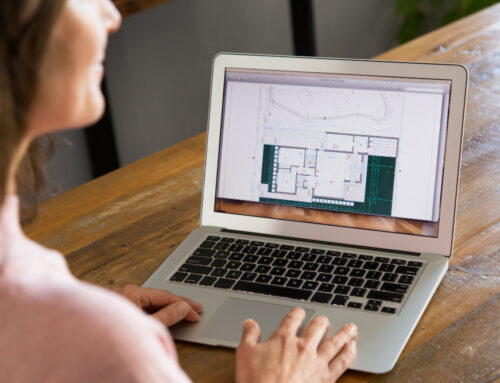
Home renovation projects often start with excitement and clear plans, but they can quickly become more expensive than expected. From structural surprises to overlooked fees, hidden costs have a way of creeping in and stretching your budget. Even well-planned renovations can face unexpected expenses that homeowners only discover mid-project.
Understanding where these costs come from — and how to prepare for them — helps you stay in control of your finances and your project. With careful budgeting, transparent communication, and contingency planning, you can complete your renovation without unpleasant surprises.
Planning Oversights and Inaccurate Estimates
Even the most detailed renovation plans can miss small but important details. Sometimes initial quotes only cover the visible work, leaving behind costs for structural changes, additional materials, or specialist services. A clear, itemised quote from your builder helps avoid nasty surprises later on.
- Request full breakdowns for labour, materials, and subcontracted services.
- Ask for written clarification on exclusions and optional extras.
- Allow for price fluctuations in materials or labour availability.
- Include a contingency fund of at least 10–15% for unforeseen costs.
Structural Issues Hidden Beneath the Surface
Once walls or floors are opened up, you may discover problems that weren’t visible before — such as rotten timbers, damp, or weak foundations. Addressing these issues is essential for safety and compliance but can add considerable time and cost.
- Have a full structural survey done before starting any major renovation.
- Be prepared to repair or replace compromised joists, beams, or supports.
- Factor in potential remedial work for damp or subsidence.
- Keep flexibility in your timeline to handle unexpected structural delays.
Building Regulations and Compliance Costs
Many homeowners underestimate the costs of meeting modern building standards. Compliance with building regulations, planning permission, and energy efficiency requirements often adds expenses not initially included in design budgets.
- Consult your local authority or building control before work begins.
- Account for inspection fees, certifications, and documentation.
- Budget for upgrades such as insulation or ventilation improvements.
- Factor in the cost of rework if previous alterations do not meet standards.
Utility Upgrades and Service Connections
Older homes may not have the infrastructure to support new layouts or technologies. Upgrading electrical systems, plumbing, or gas lines is often necessary during a renovation, especially if you’re adding bathrooms, kitchens, or heating systems.
- Plan for rewiring, new sockets, or consumer unit upgrades.
- Assess whether plumbing and water pressure can handle added fixtures.
- Upgrade gas supplies for new heating or cooking systems if required.
- Include the cost of professional certification after installation.
Waste Removal and Site Cleanup
Disposing of old materials, debris, and waste can quickly add up. Many homeowners forget to factor in the cost of skip hire, specialist disposal, and site cleaning after completion. These essential tasks keep your project safe, compliant, and efficient.
- Budget for skip hire and regular waste collection throughout the project.
- Check whether hazardous materials like asbestos need specialist removal.
- Include labour for end-of-project cleaning and debris disposal.
- Plan sustainable disposal options to minimise environmental impact.
Temporary Accommodation and Living Arrangements
If your renovation affects key living areas like kitchens or bathrooms, you may need to relocate temporarily. The cost of alternative accommodation, meals, and storage can significantly increase your overall budget if not planned in advance.
- Assess whether sections of your home will remain livable during construction.
- Consider short-term rentals or staying with family if necessary.
- Add extra budget for eating out and daily living costs during displacement.
- Store furniture and valuables safely to avoid damage during work.
Design Changes Mid-Project
Even minor design alterations during construction can cause major budget changes. Once work begins, changing materials, layouts, or finishes can delay schedules and increase labour costs. Sticking closely to your initial design reduces financial risk.
- Finalise material and design choices before construction starts.
- Be aware that mid-project changes can incur redesign and rework fees.
- Approve variations in writing to track additional costs clearly.
- Work closely with your builder to evaluate cost implications before agreeing.
Delays and Extended Labour Costs
Unexpected delays are common in renovation projects, whether from weather, supply issues, or additional work requirements. Every extra day on-site increases labour costs, equipment hire, and supervision time. Proactive project management helps control these expenses.
- Discuss realistic timelines and allowances for possible setbacks.
- Include extra budget for extended labour or overtime costs.
- Source materials early to avoid supply-related delays.
- Maintain regular communication between contractors and trades.
Landscaping and External Finishing
When budgets are tight, external finishes like landscaping, driveways, and fencing are often left until last — but these finishing touches can still carry significant cost. Planning for them early prevents the need for rushed, expensive fixes later.
- Budget for garden restoration after construction disruption.
- Include driveways, patios, and boundary walls in your renovation plan.
- Choose low-maintenance materials to reduce long-term costs.
- Obtain accurate quotes for external works before interior finishes begin.
Insurance and Security During Construction
During renovation, your standard home insurance may not provide full cover. Builders’ insurance and site protection can help safeguard your property against theft, damage, or accidents, but they often come at an additional cost.
- Notify your insurer before starting any building work.
- Arrange site insurance for tools, materials, and equipment.
- Install temporary security systems such as CCTV or lighting.
- Ensure your contractor carries adequate public liability coverage.
Hidden Professional Fees and Consultations
Architects, surveyors, engineers, and interior designers all play vital roles in successful renovations. However, their fees can add up quickly if not budgeted from the start. Factor these professional services into your total cost estimate early.
- Request itemised quotes from each professional involved.
- Include fees for planning applications, drawings, and revisions.
- Account for potential re-inspections or additional consultations.
- Build professional fees into your contingency rather than treating them as extras.
VAT, Delivery Charges, and Small Extras
The small, often-overlooked costs can be the most frustrating. From VAT on materials to delivery fees and finishing touches, these incremental expenses can add thousands to a project if ignored in the early budgeting stages.
- Confirm whether your builder’s quote includes or excludes VAT.
- Add allowances for delivery charges, equipment hire, and tools.
- Budget for fittings, fixtures, and finishing materials like paint or tiles.
- Track small purchases carefully to monitor cumulative spending.
Setting a Realistic Renovation Budget
A well-planned budget considers both visible and hidden expenses. Rather than basing costs on best-case scenarios, it’s smarter to plan for the unexpected. With a structured approach, you can maintain financial control and still achieve your vision.
- Research realistic price ranges for materials and labour in your area.
- Create a contingency fund for unexpected or underestimated costs.
- Prioritise essential works over aesthetic upgrades if funds are limited.
- Review and update your budget regularly as the project progresses.
Keeping Transparency with Contractors
Maintaining open communication with your builder or project manager is vital to avoid disputes and budget blowouts. Transparent pricing and documentation create accountability and ensure everyone stays aligned on expectations.
- Request detailed contracts outlining costs, timelines, and payment stages.
- Agree on a clear process for approving and documenting changes.
- Review invoices regularly to track project expenditure.
- Build trust by maintaining consistent, honest communication.
Long-Term Maintenance and Hidden Future Costs
Once the renovation is complete, maintenance costs can continue to affect your budget. Choosing quality materials and investing in proper installation reduces future expenses and extends the life of your improvements.
- Select durable materials to avoid frequent repairs or replacements.
- Schedule regular maintenance for new systems like boilers or roofs.
- Keep warranties and documentation for future servicing.
- Plan for future upgrades, such as insulation improvements or renewables.
Conclusion
Home renovations rarely go exactly to plan, and unexpected costs are almost inevitable. However, with careful planning, transparent communication, and realistic budgeting, you can manage these challenges effectively. Building a contingency fund, understanding where hidden costs arise, and maintaining regular oversight throughout the project will help you stay in control.
The key is to prepare, not panic — anticipate the unseen, plan for flexibility, and work closely with trusted professionals. By taking a proactive approach, your renovation can be both financially manageable and deeply rewarding, delivering the beautiful, functional space you’ve envisioned without compromising your peace of mind.