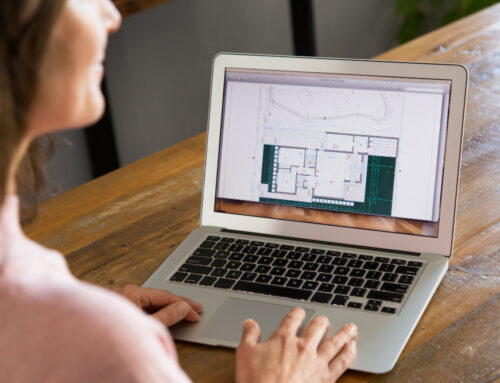
Starting a renovation is exciting, but it’s also one of the most complex projects most homeowners will ever undertake. Long before walls come down or work begins on site, the decisions you make during the planning stage will determine how smooth, costly, and successful the project ultimately is. Rushing into a renovation without proper preparation is one of the main reasons projects overrun, budgets spiral, and stress levels rise.
A well-planned renovation doesn’t happen by accident. It requires clear thinking, realistic expectations, and a structured approach to decision-making. From understanding why you’re renovating to preparing your home, finances, and family for disruption, there are many steps that need to happen before work begins.
This ultimate pre-renovation checklist walks homeowners through everything that should be considered before starting a renovation. By working through each stage carefully, you can reduce risk, avoid costly mistakes, and set your project up for success from day one.
Clarify Your Renovation Goals and Priorities
Before speaking to builders or designers, you need a clear understanding of why you are renovating. Vague goals often lead to vague outcomes, which can result in disappointment or endless changes mid-project. Defining priorities helps guide decisions and keeps the project focused.
Some renovations are driven by space, others by layout, comfort, or long-term value. Knowing what matters most allows you to make informed trade-offs when budget or constraints require compromise. Clear priorities also help professionals understand your expectations.
Strong clarity at the outset prevents confusion later.
- Define exactly what problems the renovation needs to solve
- Decide which outcomes are essential and which are optional
- Align renovation goals with lifestyle and future plans
- Avoid starting design work without clear objectives
Assess Your Property’s Existing Condition Honestly
Every renovation starts with what already exists. Older properties in particular can hide issues that affect scope, cost, and feasibility. An honest assessment of your home’s condition helps avoid surprises once work begins.
This includes structural condition, roof integrity, damp issues, drainage, and outdated services. Understanding these factors early allows them to be addressed proactively rather than reactively. Renovation plans should be grounded in reality, not assumptions.
Knowing your starting point protects your budget and timeline.
- Inspect structure, roof, and foundations carefully
- Identify signs of damp, movement, or deterioration
- Review the condition of electrics, plumbing, and heating
- Factor remedial work into early planning
Establish a Realistic Budget and Contingency
Budgeting is one of the most critical parts of renovation planning. Many homeowners underestimate costs by focusing only on visible finishes and forgetting structural work, professional fees, and unforeseen issues. A realistic budget sets boundaries and reduces stress.
Contingency funds are essential, particularly for older homes where hidden problems are common. Planning for the unexpected allows decisions to be made calmly rather than under pressure. A well-structured budget supports better design and build choices.
Financial realism prevents compromises later.
- Set a total budget that includes all aspects of the project
- Allow contingency for unexpected structural or ground issues
- Separate must-haves from nice-to-haves financially
- Avoid committing to designs beyond your financial comfort
Understand Planning Permission and Regulations
Many renovation delays stem from misunderstandings about planning permission and building regulations. Some projects fall under permitted development, while others require full approval. Assuming permission is not needed can lead to enforcement issues and costly changes.
Building regulations apply to almost all renovation work, covering structure, insulation, fire safety, and ventilation. Engaging with planning and building control early ensures compliance and avoids delays. Understanding these requirements shapes realistic design decisions.
Compliance is not optional and should never be an afterthought.
- Check whether planning permission is required
- Understand permitted development limitations
- Factor building regulation compliance into design
- Allow time for approvals before scheduling work
Appoint the Right Professionals Early
The success of a renovation depends heavily on the people involved. Choosing professionals based on experience, communication, and reliability is more important than speed or headline cost. Early professional input improves outcomes and reduces risk.
Architects, structural engineers, and builders each play different roles. Involving them at the right stage ensures designs are buildable and compliant. Waiting too long to seek professional advice often leads to redesigns and delays.
The right team provides clarity and confidence.
- Choose professionals with renovation experience
- Involve structural engineers where changes are planned
- Avoid designing in isolation without build input
- Prioritise communication and transparency
Finalise Design Before Starting Construction
Changing designs during construction is one of the biggest causes of delays and overspending. While small adjustments are sometimes unavoidable, major layout or structural changes should be resolved before work begins.
Finalised designs allow accurate costing, efficient scheduling, and clear expectations. This includes layout, materials, finishes, and services. The more decisions made upfront, the smoother the build process will be.
Preparation reduces disruption and cost escalation.
- Finalise layouts and structural decisions early
- Select materials and finishes before work starts
- Avoid leaving key decisions until mid-build
- Ensure all drawings and specifications are complete
Prepare Your Home for Construction Works
Renovation work is disruptive, and preparing your home in advance helps minimise damage and stress. Protecting existing finishes, furniture, and belongings is essential, particularly if you are living in the property during works.
Clear access routes, safe storage, and temporary arrangements make a significant difference. Builders work more efficiently when the site is organised and accessible. Preparation protects both your home and the build process.
A prepared home supports a smoother project.
- Clear affected areas before work begins
- Protect floors, furniture, and valuables
- Establish access routes for builders and materials
- Plan temporary arrangements where needed
Plan Living Arrangements During the Renovation
Living through a renovation can be challenging, especially when kitchens, bathrooms, or main living areas are affected. Homeowners often underestimate how disruptive even short periods of work can be.
Deciding whether to remain in the property or relocate temporarily should be part of early planning. If staying put, practical arrangements such as temporary kitchens or adjusted routines are essential. Realistic planning prevents unnecessary frustration.
Comfort planning is just as important as construction planning.
- Decide whether to stay or move out during works
- Plan temporary kitchen or bathroom solutions
- Consider noise, dust, and daily disruption
- Prepare family members for routine changes
Confirm Scope, Timeline, and Responsibilities
Misunderstandings about scope and responsibility are a common source of dispute. Clear agreements on what is included, excluded, and who is responsible for what prevent conflict later. Everything should be documented before work begins.
Timelines should be realistic and account for potential delays. Understanding sequencing helps manage expectations and plan daily life around the build. Clarity protects both homeowner and builder.
Clear agreements reduce stress and confusion.
- Confirm the full scope of work in writing
- Agree realistic timelines and milestones
- Understand what is excluded from the contract
- Clarify decision-making and communication channels
Check Insurance and Legal Requirements
Renovation can affect insurance cover and legal responsibilities. Home insurance providers often need to be notified before work begins, particularly for structural alterations. Failing to do so can invalidate cover.
Party wall agreements may also be required if work affects shared structures or boundaries. Addressing legal and insurance matters early avoids delays and disputes. These checks are often overlooked but critically important.
Protection and compliance safeguard your investment.
- Notify insurers before renovation begins
- Check whether party wall notices are required
- Ensure contractors carry appropriate insurance
- Keep documentation organised and accessible
Plan for Health, Safety, and Site Practicalities
Construction sites carry inherent risks, particularly when children or pets are present. Planning safety measures protects everyone involved. Clear boundaries, secure storage, and safe access routes are essential.
Discuss site rules and safety expectations with your builder. Temporary fencing, signage, or restricted areas may be required. Safety planning should be proactive, not reactive.
A safe site is a responsible site.
- Establish safe boundaries within the home
- Secure tools, materials, and hazardous areas
- Plan access routes to minimise risk
- Discuss safety procedures with your builder
Think Beyond Completion Day
Renovation planning shouldn’t stop at completion. Snagging, final inspections, and documentation are all part of a successful project. Planning for this stage ensures a smooth handover and protects long-term value.
Understanding warranties, maintenance requirements, and final certificates is essential. A good handover allows you to enjoy the renovation without lingering issues. Thinking ahead avoids unfinished business.
Completion planning ensures lasting satisfaction.
- Allow time for snagging and final adjustments
- Ensure all certificates and approvals are provided
- Understand maintenance requirements for new work
- Keep documentation for future reference
Conclusion
A successful renovation begins long before any physical work takes place. The decisions you make during the planning stage shape every aspect of the project, from cost and timeline to quality and enjoyment. By following a structured pre-renovation checklist, homeowners can avoid common pitfalls and approach their project with clarity and confidence.
Thorough preparation reduces stress, improves outcomes, and protects your investment. With clear goals, realistic budgeting, professional support, and careful planning, renovation becomes a positive, rewarding experience rather than a costly gamble.