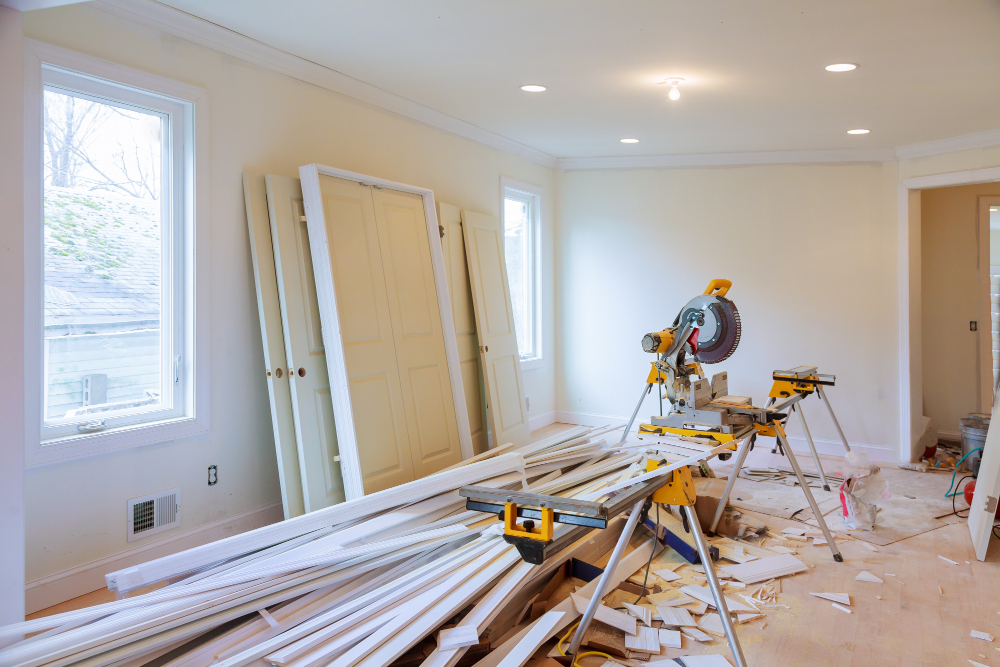
Home renovation projects are an exciting opportunity to transform your living space, enhance functionality, and increase property value.
Whether you’re updating a single room or undertaking a complete home makeover, careful planning and execution are key to a successful renovation.
However, even the most well-intentioned projects can go awry if common pitfalls aren’t avoided. To help ensure your renovation journey is smooth and stress-free, we’ve outlined the top five mistakes to avoid when renovating your home.
1. Failing to Set a Realistic Budget
One of the most critical steps in any renovation project is setting a clear and realistic budget. Unfortunately, many homeowners either underestimate the costs involved or fail to allocate funds for unexpected expenses. This can lead to financial strain and incomplete projects.
How to Avoid This Mistake:
- Research Costs Thoroughly: Get detailed quotes from contractors, research material costs, and account for any professional fees.
- Set Aside a Contingency Fund: Aim to reserve at least 10-20% of your budget for unexpected expenses such as structural issues or material price increases.
- Prioritise Your Renovation Goals: Determine which aspects of the renovation are essential and where you might be able to cut costs if necessary.
By having a well-planned budget, you can avoid unpleasant surprises and keep your renovation on track financially.
2. Skipping Proper Planning and Design
Diving into a renovation without a comprehensive plan is a recipe for disaster. A lack of planning can result in design inconsistencies, wasted materials, and a space that doesn’t meet your needs.
How to Avoid This Mistake:
- Create a Detailed Plan: Work with a designer or architect to develop a clear vision for the space, including floor plans, design elements, and functional layouts.
- Consider the Flow of the Space: Make sure your design complements the existing architecture of your home and enhances the overall flow and functionality.
- Think Long-Term: Avoid choosing design elements based solely on trends. Instead, opt for timeless styles that will age well and maintain their appeal.
Proper planning ensures that your renovation enhances your home’s aesthetic and practicality.
3. Not Hiring the Right Professionals
While DIY projects can save money, some renovation tasks require the expertise of professionals. Attempting to handle complex projects on your own can lead to mistakes, safety hazards, and costly repairs.
How to Avoid This Mistake:
- Hire Qualified Contractors: Always vet contractors thoroughly by checking references, reading reviews, and verifying licences and insurance.
- Know When to DIY and When to Delegate: Simple tasks like painting or installing light fixtures might be manageable, but structural changes, electrical work, and plumbing should be left to professionals.
- Establish Clear Communication: Once you’ve hired a contractor, maintain open lines of communication to ensure your vision is understood and executed properly.
Working with experienced professionals can prevent costly errors and ensure your renovation meets all safety and building regulations.
4. Ignoring Necessary Permits and Regulations
Home renovations often require permits and must comply with local building codes. Failing to obtain the necessary approvals can result in fines, delays, and difficulties when selling your property in the future.
How to Avoid This Mistake:
- Check Local Regulations Early: Research your local council’s requirements for building permits and approvals.
- Apply for Permits Before Starting Work: Make sure all permits are secured before beginning any renovation work, especially for structural changes, electrical work, and extensions.
- Keep Documentation Organised: Maintain a record of all permits, approvals, and inspections to ensure compliance and smooth future transactions.
Adhering to legal requirements not only keeps your renovation on track but also protects your investment.
5. Overlooking Functionality for Aesthetics
While aesthetics play a significant role in home renovations, prioritising style over function can lead to practical issues. A beautiful space is only beneficial if it also meets your everyday needs.
How to Avoid This Mistake:
- Balance Design and Practicality: When choosing fixtures, fittings, and layouts, consider how they will function in daily life.
- Consider Your Lifestyle: Tailor your renovation choices to suit your family’s needs. For example, durable materials and storage solutions might be a priority for homes with children.
- Test Layouts Before Committing: Use design tools or consult with professionals to visualise the space and identify potential functionality issues.
By focusing on both form and function, you can create a home that is not only visually appealing but also comfortable and practical.
Conclusion
Renovating your home is a significant investment of time, money, and effort. By avoiding these common mistakes—setting an unrealistic budget, skipping proper planning, not hiring the right professionals, ignoring permits, and prioritising aesthetics over functionality—you can ensure your project is a success. Careful planning, professional guidance, and a clear vision will help you create a space that enhances your lifestyle and boosts your property’s value.
If you’re considering a home renovation and want expert advice and support, get in touch with David John Builders. With decades of experience and a commitment to quality craftsmanship, we’re here to turn your renovation dreams into reality.