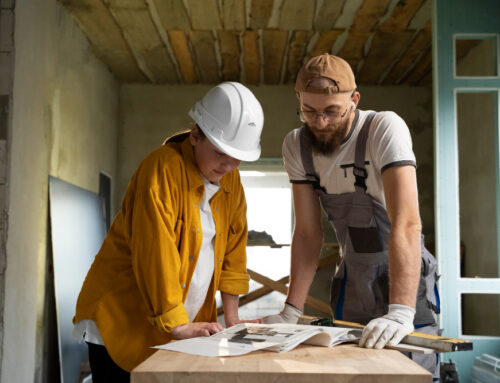
Home renovations are exciting. They offer the opportunity to improve how a property looks, functions, and feels while potentially increasing its value at the same time. Whether it is a full refurbishment, a loft conversion, an extension, or a single-room makeover, most homeowners begin a renovation project focused on the end result. They imagine the finished kitchen, the new living space, or the transformed layout and understandably want to move as quickly as possible towards completion.
However, once the work is finished and everyday life resumes, many homeowners discover that there are things they wish they had done differently. These regrets are rarely about paint colours or furniture choices. More often, they relate to missed opportunities during construction that would have been relatively simple and affordable at the time but become expensive, disruptive, or impractical once the project is complete.
The reality is that renovations provide a unique window of opportunity. Walls are open, floors are exposed, trades are already on site, and structural work is already underway. Decisions made during this period can have a significant impact on how well the home functions for years to come.
The most successful renovation projects are not simply the ones that look impressive when finished. They are the ones where homeowners take advantage of the opportunity to improve the property beneath the surface as well as on it.
This guide explores the things homeowners most commonly regret not doing during renovations and highlights the improvements that often provide lasting value long after the builders have left.
Many renovation regrets come from focusing too heavily on what can be seen and not enough on what cannot.
The best renovation decisions are often the ones that improve the home for years rather than simply impressing people on completion day.
Not Upgrading Insulation While Access Was Available
One of the most common renovation regrets is failing to improve insulation when walls, ceilings, and floors were already being opened up.
Once a room has been plastered, decorated, and furnished, accessing hidden areas becomes significantly more difficult and expensive. During renovation work, however, insulation upgrades can often be completed relatively easily.
Many homeowners focus on finishes while overlooking opportunities to improve comfort and energy efficiency.
Insulation affects the property every day.
Comfort improvements often deliver long-term value.
Energy efficiency becomes increasingly important over time.
The best opportunity is usually during construction.
- Upgrade insulation when access is available
- Improve thermal performance throughout the home
- Reduce long-term energy costs
- Avoid future disruption
Not Adding Enough Electrical Sockets
Few homeowners finish a renovation wishing they had installed fewer sockets.
Modern lifestyles require far more electrical access than many older properties were designed to accommodate. Phones, laptops, televisions, smart devices, appliances, and charging stations all place increasing demands on homes.
Adding sockets during renovation is relatively straightforward. Adding them afterwards often involves additional expense and disruption.
Convenience should not be underestimated.
Future needs often exceed current expectations.
Extra sockets are usually money well spent.
Flexibility improves everyday living.
- Install more sockets than currently needed
- Consider future technology requirements
- Reduce reliance on extension leads
- Improve room functionality
Not Improving Storage
Storage is one of the most frequently overlooked aspects of home design.
During a renovation, homeowners often focus on creating open space while forgetting that belongings still need somewhere to go. Once the project is complete, insufficient storage can quickly lead to clutter and frustration.
Integrated storage solutions are often easiest to incorporate during construction.
Storage contributes directly to usability.
Organisation supports long-term satisfaction.
Hidden storage often delivers the greatest value.
Every home benefits from additional storage.
- Incorporate built-in storage opportunities
- Use awkward spaces efficiently
- Plan for future storage needs
- Reduce visible clutter
Not Future-Proofing the Layout
Many renovations are designed around immediate requirements without considering how life might change over the next decade.
Children grow up, work arrangements evolve, and household needs rarely remain static.
Flexible layouts often outperform highly specialised designs in the long term.
Future-proofing is about adaptability rather than prediction.
Rooms should support multiple uses.
Good design evolves alongside changing lifestyles.
Flexibility reduces future renovation needs.
- Design adaptable living spaces
- Avoid overly specialised rooms
- Consider future family requirements
- Create flexible layouts
Not Addressing Hidden Structural Issues
When walls, ceilings, or floors are opened during renovation, hidden structural concerns sometimes become visible.
Some homeowners choose to postpone repairs to stay within budget, only to face larger costs later.
Ignoring structural problems rarely makes them disappear.
Addressing issues during renovation is often the most cost-effective option.
Access opportunities may not return.
Structural integrity should always take priority.
Early intervention protects long-term value.
Repairs become harder once finishes are complete.
- Resolve structural issues when discovered
- Prioritise building integrity
- Avoid delaying essential repairs
- Protect future investments
Not Improving Lighting Design
Lighting is one of the most influential elements of any interior, yet it is often considered late in the renovation process.
Many homeowners regret relying solely on central ceiling lights instead of creating layered lighting schemes that support different activities and moods.
Lighting infrastructure is easiest to install during construction.
Good lighting transforms how spaces feel.
Functionality and atmosphere both matter.
Planning should occur before finishes are completed.
Flexibility improves usability.
- Incorporate layered lighting schemes
- Add task and accent lighting
- Plan electrical layouts carefully
- Improve room ambience
Not Considering Home Working Requirements
Even homeowners who do not currently work from home may later wish they had planned for greater flexibility.
The rise of hybrid and remote working has changed how many people use their homes.
Providing opportunities for future workspace arrangements can add significant long-term value.
Work patterns continue to evolve.
Flexible homes adapt more easily.
Small design changes can create future options.
Dedicated offices are not always necessary.
- Create adaptable workspace opportunities
- Plan for changing work arrangements
- Improve connectivity and power access
- Support future flexibility
Not Upgrading Plumbing and Pipework
Visible finishes often attract more attention than hidden infrastructure, but ageing plumbing systems can create significant problems later.
Renovations provide an ideal opportunity to upgrade pipework while access is available.
Many homeowners regret focusing solely on appearance and postponing essential service upgrades.
Infrastructure supports everyday comfort.
Access is often easiest during renovation.
Future failures can be highly disruptive.
Preventative improvements offer long-term benefits.
- Assess plumbing condition carefully
- Replace ageing pipework where necessary
- Improve system reliability
- Reduce future maintenance risks
Not Adding More Natural Light
Once a renovation is complete, many homeowners wish they had done more to improve natural light.
Additional glazing, rooflights, larger openings, or improved room connections can dramatically affect how spacious and welcoming a property feels.
Natural light remains one of the most desirable features in any home.
Bright spaces rarely go out of style.
Daylight improves comfort and perception.
Lighting opportunities should be explored early.
The benefits are enjoyed every day.
- Maximise daylight wherever possible
- Consider rooflights and larger openings
- Improve room-to-room light flow
- Create brighter living environments
Not Improving Sound Insulation
Noise transfer is often overlooked until homeowners begin living in the completed space.
Renovations provide valuable opportunities to improve acoustic performance within floors, walls, and ceilings.
Retrofitting sound insulation later is usually far more disruptive.
Acoustic comfort affects daily life significantly.
Privacy matters in modern homes.
Construction phases provide ideal access.
Planning ahead prevents future frustration.
- Improve sound insulation where practical
- Reduce noise transfer between rooms
- Enhance privacy and comfort
- Take advantage of exposed structures
Not Thinking About Maintenance
Certain design choices may appear attractive initially but require significant maintenance over time.
Many homeowners later regret selecting materials or finishes based solely on appearance.
Durability should be considered alongside aesthetics.
Maintenance affects long-term satisfaction.
Practical solutions often age better.
Quality materials usually provide greater value.
Future upkeep deserves consideration.
- Choose durable materials
- Understand maintenance requirements
- Balance appearance with practicality
- Design for long-term performance
Not Improving Ventilation
Ventilation often receives less attention than insulation despite being equally important for comfort and building health.
Poor ventilation can contribute to condensation, moisture issues, and reduced indoor air quality.
Renovations provide opportunities to improve airflow significantly.
Fresh air supports healthier living environments.
Ventilation complements energy efficiency improvements.
Balanced design delivers the best results.
Comfort depends on multiple factors.
- Improve airflow throughout the property
- Reduce condensation risks
- Support healthy indoor environments
- Upgrade ventilation systems where needed
Not Planning for Technology Upgrades
Technology evolves rapidly, and many homeowners later wish they had installed additional cabling, connectivity infrastructure, or smart home provisions while renovation work was underway.
Preparing for future technology is often easier than predicting specific requirements.
Flexibility is the key objective.
Infrastructure should support adaptation.
Preparation reduces future disruption.
Future upgrades become easier.
Modern homes benefit from connectivity.
- Install additional data and power routes
- Prepare for future smart technologies
- Improve connectivity throughout the home
- Create adaptable infrastructure
Not Setting Aside a Contingency Budget
One of the most common financial regrets is failing to allow sufficient contingency funds.
Unexpected discoveries are common during renovation projects, particularly in older properties.
Without contingency funds, homeowners may be forced to compromise on important decisions.
Preparation reduces stress.
Flexibility supports better outcomes.
Unexpected costs are often unavoidable.
Financial planning improves decision-making.
- Include contingency within the budget
- Prepare for unforeseen issues
- Avoid compromising essential work
- Improve project resilience
Not Looking at the Bigger Picture
Perhaps the biggest regret of all is focusing on individual rooms rather than considering how the entire property functions together.
The best renovations improve flow, functionality, comfort, efficiency, and usability across the whole home.
Joined-up thinking often produces the strongest long-term results.
Homes should be viewed as complete systems.
Individual improvements should support wider goals.
Holistic planning enhances value.
Integration improves everyday living.
- Assess the property as a whole
- Improve relationships between spaces
- Prioritise long-term functionality
- Design for overall cohesion
Conclusion
Most renovation regrets are not about what homeowners did. They are about what they did not do while they had the opportunity.
When walls are open, floors are exposed, and trades are already on site, many improvements become far easier and more affordable than they will ever be again. Insulation, storage, lighting, electrical upgrades, plumbing improvements, ventilation, soundproofing, and future-proofing measures often provide greater long-term value than decorative features alone.
The most successful renovations look beyond immediate appearance and focus on how the home will function for years to come. They balance aesthetics with practicality and short-term excitement with long-term thinking.
Ultimately, homeowners rarely regret making sensible improvements while the work is already underway. More often, they regret the opportunities they chose not to take. By thinking beyond the finished photographs and focusing on lasting performance, it is possible to create a home that remains comfortable, adaptable, and enjoyable long after the renovation is complete.