A full home refurbishment is one of the most comprehensive ways to transform a property. Whether updating an older home, modernising a dated layout, or preparing a property for long-term living, refurbishment allows homeowners to rework everything from structure and layout to finishes and services. However, the scale of the work often surprises those undertaking it for the first time.
Unlike smaller renovation projects, a full refurbishment touches nearly every part of the property. Walls may be removed, systems replaced, layouts redesigned, and finishes completely updated. This level of change requires careful planning, clear timelines, and a realistic understanding of what the process involves.
Many homeowners underestimate the disruption, decision-making, and coordination required throughout the project. Knowing what to expect from the outset helps avoid unnecessary stress and allows the refurbishment to progress more smoothly.
This guide explains what to expect during a full home refurbishment. By breaking down each stage of the process, homeowners can approach their project with clarity, manage expectations, and ensure the final result meets both practical and aesthetic goals.
The Initial Planning and Design Stage
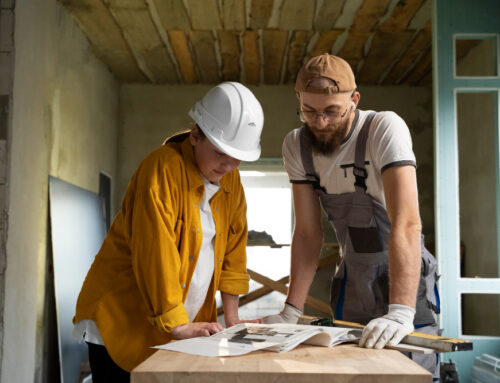
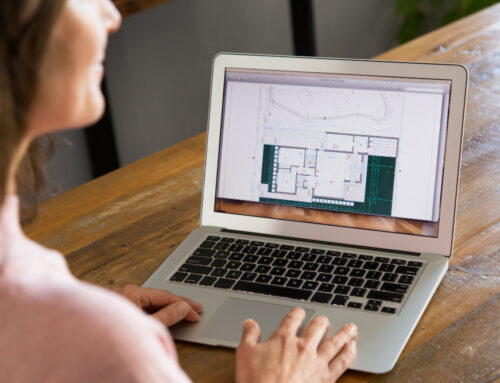
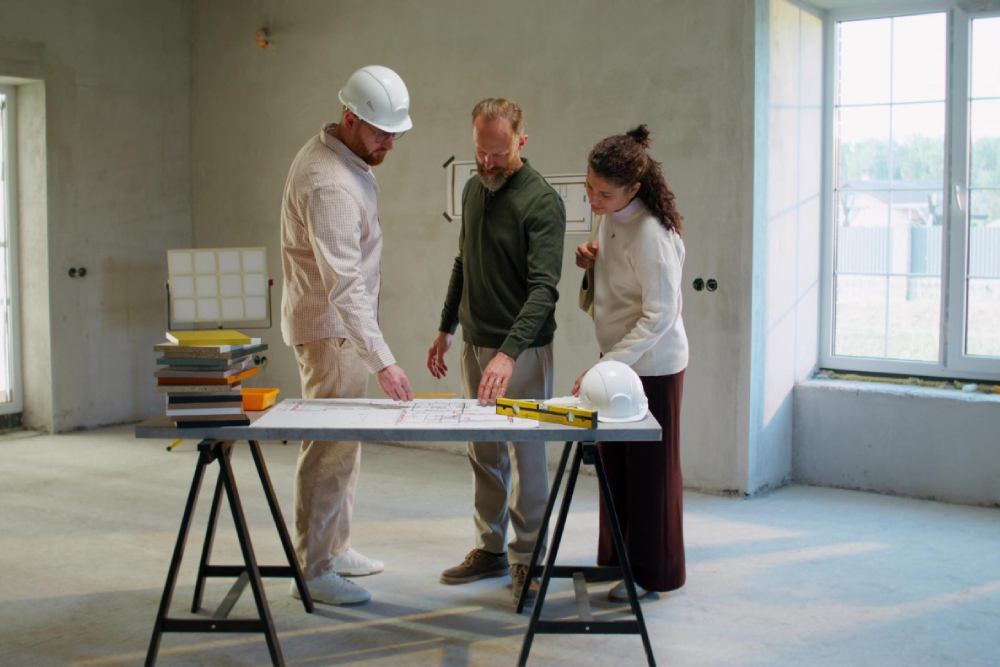
Before any physical work begins, the planning stage sets the foundation for the entire refurbishment. This phase includes defining the scope of work, creating layouts, selecting materials, and obtaining any necessary permissions.
Time invested here reduces the likelihood of delays and costly changes later.
Planning determines the direction of the project.
- Define the overall goals of the refurbishment
- Develop layouts and room configurations
- Select key materials and finishes early
- Secure planning permission if required
Budgeting and Cost Expectations
A full refurbishment involves multiple trades, materials, and structural considerations. Costs can vary significantly depending on the scale of work, property condition, and level of finish.
Setting a realistic budget with contingency is essential.
Financial planning supports smoother delivery.
- Allow for unexpected structural repairs
- Include a contingency fund for changes
- Consider both labour and material costs
- Avoid underestimating finishing expenses
Stripping Back the Existing Property
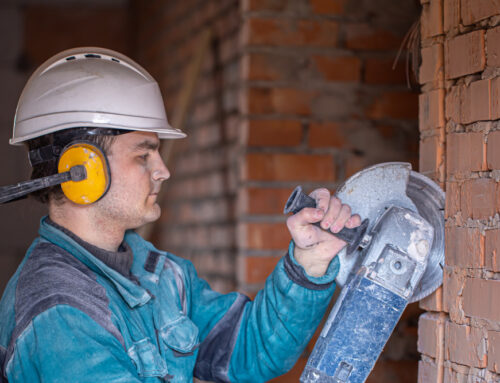
Once work begins, the first stage is typically a strip-out of existing fixtures, fittings, and finishes. This may include removing old kitchens, bathrooms, flooring, and non-structural walls.
This stage often reveals the true condition of the property.
Initial removal exposes hidden issues.
- Remove outdated fixtures and finishes
- Strip walls back to structural elements
- Identify underlying structural concerns
- Prepare the property for new work
Structural Work and Layout Changes
If the refurbishment includes altering the layout, structural work will follow the strip-out stage. This may involve removing walls, installing steel beams, or reinforcing floors.
Structural changes are critical to achieving the desired layout.
Structure defines the new space.
- Remove load-bearing walls with support
- Install steel beams where required
- Reinforce floors or foundations
- Create open-plan layouts
First Fix: Plumbing and Electrical Systems
The first fix stage involves installing new plumbing, electrical wiring, and heating systems before walls are closed. This work ensures the property meets modern standards.
It is essential that these systems are installed correctly and planned in detail.
Hidden systems support daily function.
- Install new pipework for kitchens and bathrooms
- Run electrical wiring throughout the property
- Position sockets and switches strategically
- Prepare systems for heating upgrades
Insulation and Energy Efficiency Upgrades
A full refurbishment provides an opportunity to improve insulation and overall energy efficiency. Upgrading walls, floors, and roofs reduces heat loss and improves comfort.
This stage has long-term benefits for running costs.
Efficiency improvements enhance performance.
- Add insulation to walls and floors
- Improve roof insulation where possible
- Reduce drafts through airtight construction
- Prepare for modern heating systems
Plastering and Internal Finishes
Once first fix work is complete, walls and ceilings are plastered to create a smooth surface for decoration. This stage transforms the property from a construction site into a recognisable living space.
Plastering marks a significant visual milestone.
Finishing begins to take shape.
- Apply plaster to walls and ceilings
- Prepare surfaces for decoration
- Ensure smooth and consistent finishes
- Create a clean internal appearance
Second Fix: Fixtures and Fittings
The second fix stage includes installing visible elements such as sockets, light fittings, kitchen units, and bathroom fixtures. This is where the design begins to come together.
Attention to detail is important during this phase.
Details define the final outcome.
- Install kitchens and cabinetry
- Fit bathrooms and sanitaryware
- Install light fittings and switches
- Complete carpentry elements
Flooring Installation
Flooring is typically installed after major construction work is complete. The choice of flooring affects both aesthetics and practicality.
Different rooms may require different materials.
Flooring completes the interior.
- Install hardwood, laminate, or tile flooring
- Ensure subfloor preparation is correct
- Choose materials suited to each space
- Coordinate flooring with overall design
Decorating and Final Finishes
Painting and decorating bring the refurbishment to life. Colour schemes, finishes, and detailing define the final look of the property.
This stage requires precision and care.
Decoration enhances the design.
- Apply paint or wallpaper finishes
- Ensure clean edges and consistent coverage
- Match colours to lighting conditions
- Complete decorative detailing
Managing Noise, Dust, and Disruption
Full refurbishments are disruptive by nature. Noise, dust, and restricted access are part of the process, particularly during early stages.
Planning how to manage these factors improves the overall experience.
Preparation reduces stress.
- Expect noise during structural work
- Protect areas from dust where possible
- Plan temporary living arrangements if needed
- Maintain clear communication with builders
Living in the Property During Refurbishment
Some homeowners choose to remain in the property while work is carried out. While this is possible, it often extends timelines and increases complexity.
Careful planning is required to maintain safety and usability.
Occupation affects project flow.
- Work may be phased to allow access
- Temporary kitchens or bathrooms may be needed
- Safety considerations must be prioritised
- Progress may be slower overall
Unexpected Discoveries and Delays
Older properties often reveal hidden issues once work begins. Structural weaknesses, outdated wiring, or damp problems may need to be addressed.
Allowing for these discoveries prevents major disruptions.
Flexibility is essential.
- Hidden defects may require additional work
- Structural issues can affect timelines
- Material delays may occur
- Contingency planning reduces impact
Coordinating Multiple Trades
A full refurbishment involves several trades working in sequence. Coordinating their schedules ensures the project progresses efficiently.
Delays in one trade can affect the entire timeline.
Coordination maintains momentum.
- Schedule trades in logical order
- Avoid overlapping conflicting tasks
- Ensure materials are ready for each stage
- Maintain clear communication across teams
Health and Safety Considerations
Construction work introduces safety risks that must be managed carefully. Proper precautions protect both workers and occupants.
Compliance with safety standards is essential.
Safety supports smooth delivery.
- Secure the site during construction
- Use protective equipment where required
- Follow building regulations
- Maintain safe access routes
The Importance of Communication
Clear communication between homeowner and builder ensures expectations remain aligned throughout the project. Regular updates help identify issues early.
Good communication prevents misunderstandings.
Clarity improves outcomes.
- Hold regular progress meetings
- Confirm decisions promptly
- Address issues as they arise
- Maintain open dialogue throughout
Snagging and Final Adjustments
Before completion, a snagging process identifies minor issues that need correction. This ensures the finished property meets expected standards.
Attention to detail at this stage is crucial.
Final checks ensure quality.
- Identify small defects or unfinished areas
- Make adjustments to fixtures and finishes
- Ensure systems operate correctly
- Confirm all work meets agreed standards
Project Completion and Handover
Once all work is complete, the property is handed back to the homeowner. Documentation, warranties, and certifications should be provided at this stage.
A proper handover ensures everything is in order.
Completion marks the end of the process.
- Receive certificates for electrical and gas work
- Review warranties for installed systems
- Inspect final workmanship
- Ensure all agreed work is completed
Long-Term Benefits of a Full Refurbishment
A well-executed refurbishment improves both functionality and value. Updated layouts, modern systems, and improved efficiency make the property more comfortable and appealing.
The benefits extend well beyond the construction phase.
Investment delivers lasting value.
- Improved living space and usability
- Increased property value
- Enhanced energy efficiency
- Reduced maintenance requirements
Conclusion
A full home refurbishment is a complex but highly rewarding project. While it involves disruption, careful planning, clear communication, and realistic expectations make the process far more manageable. Understanding each stage, from initial planning through to final completion, helps homeowners stay in control and avoid unnecessary stress.
By approaching refurbishment with a structured plan and experienced professionals, it is possible to transform a property into a space that meets modern living standards while reflecting personal style. When executed properly, a full refurbishment not only improves how a home looks but also how it functions for years to come.