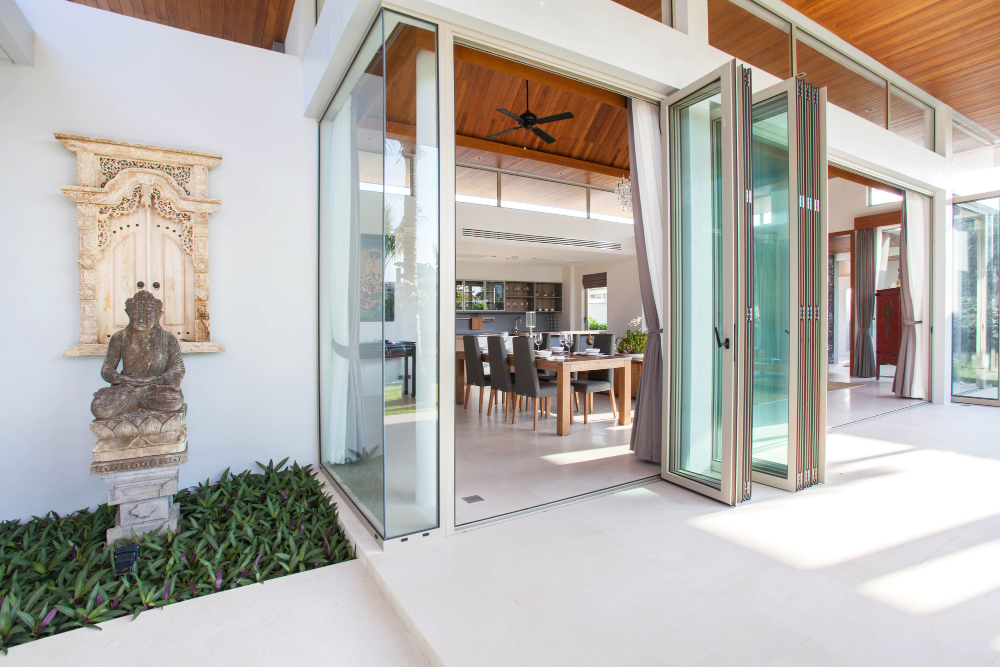
Bifold doors have become a popular addition to conservatories, offering a seamless connection between indoor and outdoor spaces. Their sleek design and ability to fold away completely provide both aesthetic and practical benefits.
However, installing bifold doors isn’t just a design decision—it requires careful consideration of structural, thermal, and security factors. In this post, we’ll explore everything you need to know before adding bifold doors to your conservatory.
Consider the Structure First
Before you even start selecting materials or finishes, it’s important to consider whether your conservatory is suitable for bifold doors structurally. These doors require a solid, stable opening and a secure overhead lintel. A professional assessment can help you understand whether reinforcements or modifications are needed.
- Check whether your current conservatory frame can accommodate the weight of bifold doors.
- Structural steel or reinforced lintels may be needed, especially for wider spans.
- Speak to a builder or structural engineer before committing to an installation.
- Consider if the floor slab can support the track system required for bifolds.
Choose the Right Materials
Bifold doors are available in a variety of materials, each with their pros and cons. The choice of material will impact everything from durability and insulation to maintenance and cost. Aluminium, uPVC, and timber are the three most common options.
- Aluminium offers strength and slim frames, allowing more glass and less bulk.
- uPVC is budget-friendly but bulkier and may have shorter lifespan than other materials.
- Timber provides a traditional aesthetic but requires regular maintenance.
- Consider thermally broken aluminium for improved insulation performance.
Check Thermal Efficiency Ratings
One of the biggest mistakes in conservatory design is ignoring energy efficiency. Bifold doors cover a large area and can be a source of heat loss if not selected properly. Look for doors that meet or exceed current thermal performance standards.
- Ensure the doors have a low U-value for better heat retention.
- Choose double or triple glazing with gas filling and low-e coatings.
- Check for weatherproof seals and multi-chambered frames.
- Look for doors that meet Part L of the Building Regulations for energy efficiency.
Understand Planning and Building Regulations
In most cases, adding bifold doors to an existing conservatory doesn’t require planning permission. However, you’ll still need to comply with UK building regulations. It’s essential to understand what’s required before starting work.
- Structural alterations may trigger building regulations approval.
- Ensure glazing safety requirements are met for large glass panels.
- Approved Document L compliance is needed for thermal efficiency.
- Always check whether your property is in a conservation area or listed.
Choose the Right Opening Configuration
Bifold doors can open inwards or outwards and be configured with different panel counts and opening points. The layout you choose will affect how the doors function and how well they fit into your living space.
- Think about how much space is available for stacking the panels.
- Decide whether you want the primary access door on the left, right, or middle.
- Consider traffic flow and how the doors will be used day-to-day.
- For smaller openings, fewer panels may be more practical and cost-effective.
Pay Attention to Threshold Options
The threshold is where the doors meet the floor—and it’s key to both accessibility and insulation. While a flush threshold looks great and offers step-free access, it must be properly weather-sealed to prevent draughts and water ingress.
- A low threshold gives a clean, seamless indoor-outdoor feel.
- Raised thresholds offer better weatherproofing in exposed locations.
- Ensure proper drainage channels are installed if using a flush threshold.
- Consider anti-trip profiles for safer access between spaces.
Security Shouldn’t Be an Afterthought
Bifold doors have large glazed panels and can be a target for burglars if not properly secured. Fortunately, many high-quality systems come with advanced locking mechanisms and toughened glass for peace of mind.
- Look for multi-point locking systems that secure the doors at several points.
- Choose toughened or laminated glass to resist breakage.
- Opt for bifold systems with PAS 24 certification for enhanced security.
- Use security-rated locks and consider external lighting or alarms nearby.
Factor in the Weather Conditions
The UK climate means weather resistance is critical when choosing bifold doors. Wind, rain, and temperature changes can affect the performance and durability of the installation over time.
- Ensure doors come with weather seals that prevent draughts and moisture.
- Aluminium systems generally perform better in harsh climates.
- Regular maintenance is needed to keep seals and hardware in good condition.
- Look for bifold doors tested to BS 6375 for weather resistance.
Don’t Forget About Ventilation and Shading
While bifold doors let in plenty of natural light, they can also lead to overheating in summer. Shading and ventilation solutions help regulate internal temperatures and maintain comfort.
- Integrate roof vents or trickle vents to allow airflow.
- Consider fitting external blinds or internal shading systems.
- Use tinted or solar control glass to reduce heat gain.
- Create zones with openable windows elsewhere in the conservatory.
Think About the Interior Impact
Adding bifold doors will influence how the space feels and functions inside your conservatory. It’s not just about connecting with the garden—you’ll also need to think about furnishing, heating, and how light will flow through the room.
- Plan furniture layout around the door swing and stacking panels.
- Add underfloor heating or radiators away from door openings.
- Choose flooring that aligns cleanly between conservatory and garden.
- Consider the direction of natural light to avoid glare or overheating.
Budget for the Full Installation
Bifold doors aren’t just about the frames and glass—the cost also includes installation, structural work, and finishing touches. Always get a complete quote to avoid budget surprises later.
- Prices vary based on material, glazing, and configuration.
- Installation costs may include structural reinforcement and plastering.
- Don’t forget about finishing details like painting, trim, and flooring.
- Factor in VAT and any planning or certification fees if applicable.
Choose an Experienced Installer
Even the best bifold doors can fail if they’re not installed correctly. Choosing an installer with experience in conservatory conversions and bifold systems is essential to getting a long-lasting result.
- Ask to see previous work and customer reviews.
- Ensure the installer is FENSA or CERTASS registered.
- Get a written warranty covering both product and labour.
- Confirm that building control approval will be handled on your behalf.
Maintenance Matters
Once installed, your bifold doors will need some care to keep them operating smoothly. Regular checks can extend their lifespan and prevent problems like draughts, sticking panels, or misaligned tracks.
- Lubricate moving parts and tracks at least twice a year.
- Clean seals and remove debris from drainage channels.
- Check alignment and adjust hinges or rollers if needed.
- Inspect glazing and locks for wear or damage annually.
Integrate with the Rest of the House
Think beyond just the conservatory—your bifold doors should complement the overall look and function of your home. Consider how they’ll impact sightlines, flow between rooms, and your property’s long-term value.
- Match bifold frame colours with existing doors or windows.
- Create continuity with flooring or wall finishes between spaces.
- Use consistent hardware finishes for a polished look.
- Think about how the doors look from outside as well as inside.
Final Thoughts
Installing bifold doors in a conservatory is a brilliant way to enhance both the usability and visual appeal of your home. They create a seamless link between indoor and outdoor spaces while letting in generous amounts of natural light. But to get the most from your investment, you’ll need to consider everything from structural support and thermal performance to security and long-term maintenance.
By planning carefully and working with qualified professionals, you can ensure that your new bifold doors add style, value, and functionality to your conservatory—without any unwanted surprises.