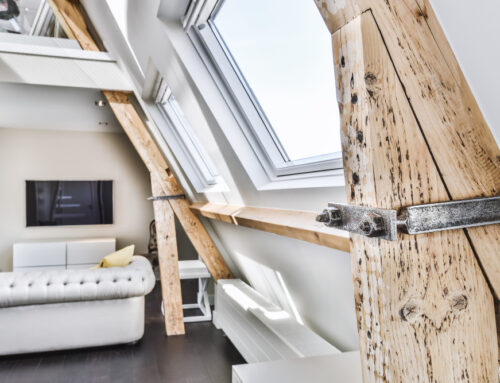
Hiring a builder is one of the most important decisions you’ll make during a home improvement project. Whether you’re planning an extension, a loft conversion, or a full renovation, a strong working relationship with your builder is key to ensuring the work is completed on time, on budget, and to a standard you’re proud of.
But good results don’t happen by accident—they come from clear communication, realistic expectations, and mutual respect. In this guide, we’ll explore how to work effectively with your builder throughout each stage of your project, from initial consultation to final handover.
Choose the Right Builder from the Start
The foundation of any successful building project is hiring the right person for the job. A reputable, experienced builder who specialises in your type of project will be more likely to deliver great results than someone who lacks the relevant background.
Take the time to do your research. Look at previous projects, ask for references, and check whether they’re members of recognised trade bodies like the Federation of Master Builders (FMB) or TrustMark. It’s also worth verifying that they’re properly insured, including public liability and employer’s liability cover.
Before signing anything, ask for:
- A clear written quotation
- A realistic timeline for the project
- Information on who will be working on-site
- A breakdown of materials, labour, and any subcontracted work
- Confirmation of how payments will be structured
A builder who is transparent from the outset is more likely to stay reliable throughout the project.
Set Clear Expectations Early
Even the most skilled builder can’t deliver what you want if the brief is vague or constantly changing. Be specific from the beginning. The more clearly you outline your needs, budget, and priorities, the easier it will be for your builder to plan accurately and quote fairly.
Put everything in writing:
- Scope of work
- Project specifications and drawings
- Budget limitations
- Deadlines or key milestones
- Any materials or fixtures you’ve already chosen
This documentation helps reduce misunderstandings and serves as a reference point throughout the build.
If you’re working with an architect or designer, make sure they’re aligned with your builder early on. Shared information and coordination at the start can prevent problems further down the line.
Communicate Regularly and Respectfully
Open, honest communication is one of the most powerful tools you have to keep a project running smoothly. Establish how you’ll stay in touch—whether by phone, email, WhatsApp, or in-person meetings—and agree on how often updates will be shared.
Try to:
- Attend scheduled site visits or meetings
- Keep communication consistent and calm, even if problems arise
- Respond to questions or decisions promptly to avoid delays
- Raise concerns early rather than letting them fester
Builders are problem solvers, but they’re not mind readers. If something doesn’t look right or you want to change direction, speak up clearly—but respectfully. A collaborative tone goes a long way.
Stick to the Agreed Plan (Where Possible)
Once your builder starts work, making major changes to the plan can create delays, cost overruns, and even legal complications. While some adjustments may be unavoidable, too many last-minute changes can damage progress and cause tension on site.
If you do need to make a change:
- Be clear about what you want
- Understand the cost and time implications
- Get the change confirmed in writing
- Don’t expect immediate action—work may need to be rescheduled or reprioritised
Builders appreciate clients who are decisive but flexible, especially when external factors like weather, supply chain issues, or unexpected structural discoveries affect the original plan.
Be Available to Make Key Decisions
Throughout the build, your input will be needed for things like materials, finishes, layout tweaks, or problem-solving. Delays in decision-making can stall progress, especially if tradespeople are waiting for instructions.
Make sure you’re available—either directly or through a delegated decision-maker—when needed. And don’t underestimate how many small decisions need to be made during a project. From tile placement to socket heights, your builder will often need your input to keep the work moving.
If you’re going to be away during the project, let your builder know in advance and arrange a clear handover of decision-making authority.
Respect the Worksite and the Team
Builders work best when they feel safe, respected, and valued. While it’s your home, it’s also their place of work—and maintaining a positive atmosphere on site can lead to better outcomes for everyone.
Helpful behaviours include:
- Giving tradespeople space to work
- Avoiding unannounced visits or walkthroughs
- Not asking for extra work through casual conversation—always go through the project lead
- Providing clear access and removing any personal belongings that might be in the way
You don’t need to offer cups of tea every hour, but showing appreciation and treating your builder’s team with courtesy goes a long way.
Monitor Progress—But Don’t Micromanage
It’s natural to want to keep an eye on your project’s progress, but constant supervision can make builders feel distrusted. Instead, focus on regular updates and agreed check-ins rather than daily oversight.
During site visits:
- Walk through the key areas of work
- Take photos or notes for your records
- Ask questions if something seems unclear or different from the plan
- Don’t offer unsolicited instructions to trades unless you’ve cleared it with the project lead
Trusting your builder’s expertise doesn’t mean turning a blind eye—it means collaborating effectively and addressing concerns through the right channels.
Manage Payments Properly
Payment disputes are one of the biggest causes of tension between clients and builders. Avoid problems by sticking to the agreed payment schedule and always getting receipts or written confirmation of payments made.
Best practices include:
- Using staged payments tied to specific milestones (e.g., foundation complete, roof on, plastering finished)
- Avoiding large upfront payments unless required for specialist materials
- Never paying the full balance before final sign-off and snagging is complete
- Holding a small retention amount to cover any final corrections
Paying promptly when payments are due shows professionalism and respect. It also helps keep your builder motivated and financially able to complete your project.
Allow for the Unexpected
Even the best-planned projects run into surprises. Hidden structural issues, weather delays, or supplier shortages can cause temporary setbacks. What matters is how you and your builder respond.
Build in a contingency budget—typically 10–15% of the total cost—to cover the unexpected. Agree upfront how changes and cost variations will be communicated and approved.
By approaching the project with some flexibility and understanding, you create a working relationship that can weather problems without breaking down.
Complete a Thorough Handover
As the build nears completion, don’t rush the final steps. Schedule a walkthrough with your builder to identify any outstanding work, cosmetic snags, or final adjustments. This is known as the “snagging” stage.
You should receive:
- A detailed summary of what’s been completed
- Warranty information for appliances and installations
- Completion certificates or building control sign-off documents
- Maintenance advice for materials like timber, render, or specialist finishes
Only make the final payment once all snagging items have been addressed to your satisfaction. A professional builder will want to leave you with a positive impression—and a high-quality finish.
Conclusion: Partnership Makes the Difference
Working with a builder isn’t just a transaction—it’s a collaboration. From the moment you choose your contractor to the final day on site, the way you work together has a huge impact on the final result.
By being clear, communicative, respectful, and organised, you make it easier for your builder to do what they do best: deliver a project that meets your expectations and adds real value to your home.
A strong working relationship doesn’t just lead to better outcomes—it also makes the journey far more enjoyable.