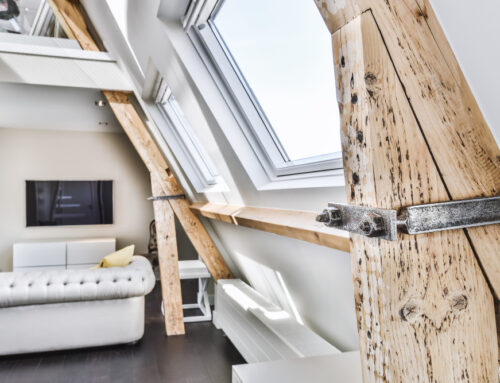
Older properties have a timeless appeal, from original fireplaces and ornate mouldings to exposed beams and period facades. They offer a sense of character that modern homes often lack. However, renovating them can be a delicate balancing act. Homeowners must preserve the building’s heritage while introducing modern comforts, efficiency, and safety.
Achieving this balance requires a thoughtful approach that respects original features but embraces practical improvements. With careful planning, it’s possible to combine charm with functionality — creating a home that feels authentic yet fully equipped for modern living.
Understanding the Character of the Property
Every older property has unique qualities shaped by its era, design, and materials. Understanding these details before starting work is essential to ensure any renovation complements the building’s character. Rushing into modernisation without assessing these aspects can result in lost heritage and diminished value.
- Research the property’s architectural style and period details.
- Identify original materials such as brick, timber, or plasterwork worth retaining.
- Take note of layout quirks that define the building’s character.
- Document existing features before work begins to guide future decisions.
Respecting Historical Features
Preserving original elements adds value and authenticity to a renovation. Whether it’s sash windows, beams, or stone floors, maintaining these features honours the craftsmanship of the past. Sensitive restoration can keep them functional while ensuring the home remains practical and liveable.
- Repair rather than replace wherever possible to maintain originality.
- Use traditional techniques and materials for restoration work.
- Consult conservation experts for guidance on listed or protected buildings.
- Blend restored features with subtle modern upgrades for seamless integration.
Upgrading Insulation and Energy Efficiency
Older homes were not designed with energy efficiency in mind, often leading to draughts, heat loss, and high energy bills. Improving insulation and thermal performance is one of the most effective ways to modernise while enhancing comfort and sustainability.
- Insulate walls, roofs, and floors using breathable, heritage-friendly materials.
- Upgrade windows with secondary glazing to retain original frames.
- Fit draught excluders and seal gaps around doors and skirting.
- Consider discreet underfloor heating systems for added efficiency.
Addressing Structural Issues Early
Many older properties develop structural problems over time due to movement, moisture, or deterioration. Identifying and addressing these issues early prevents further damage and avoids costly repairs later. Structural stability must always take precedence before aesthetic improvements.
- Commission a structural survey to identify cracks, subsidence, or instability.
- Repair damaged timbers affected by rot or infestation.
- Reinforce weakened walls or beams with sympathetic materials.
- Work with structural engineers experienced in period property restoration.
Modernising Services and Utilities
Plumbing, electrics, and heating systems in older properties are often outdated and inefficient. Replacing these systems brings the home up to modern standards without compromising its historic charm. Careful planning ensures installations remain discreet and unobtrusive.
- Rewire electrical systems to meet current safety regulations.
- Upgrade plumbing for improved water pressure and reliability.
- Install energy-efficient heating systems compatible with the property’s layout.
- Conceal new wiring and pipework within floors or walls where possible.
Enhancing Natural Light and Layout
Older homes can sometimes feel dark or compartmentalised due to smaller windows and closed-off rooms. Introducing more light and openness improves flow and usability while retaining period character. Small design interventions can make a big difference.
- Consider widening doorways or adding glazed internal doors.
- Use roof lights or sun tunnels to brighten attic or rear rooms.
- Keep colour palettes light to reflect natural light more effectively.
- Open up spaces strategically while maintaining structural integrity.
Preserving Exterior Features
The exterior of an older property contributes greatly to its character and curb appeal. Restoring or maintaining period features such as brickwork, stone facades, and traditional roofing materials ensures the building retains its original charm while remaining weatherproof.
- Repoint brick or stonework using lime mortar instead of cement.
- Repair or replace roof tiles with authentic materials where possible.
- Restore original doors, ironwork, and external detailing.
- Use heritage-approved paints and finishes suitable for older buildings.
Integrating Modern Comforts Subtly
Modern living often demands conveniences such as en-suite bathrooms, open-plan kitchens, and efficient storage. These can be introduced into older homes without clashing with traditional architecture. The key is subtle integration that complements rather than dominates.
- Use contemporary fixtures in neutral styles that suit period interiors.
- Incorporate built-in storage designed around architectural features.
- Hide modern appliances behind cabinetry or within concealed zones.
- Maintain proportion and balance when introducing new materials.
Managing Moisture and Ventilation
Older buildings were designed to breathe, using porous materials that allow moisture to escape naturally. Modern sealing methods can trap damp if not applied carefully. A balanced approach to ventilation protects both the building and its occupants.
- Install extractor fans in kitchens and bathrooms to manage humidity.
- Maintain existing air bricks and chimney flues for ventilation.
- Use breathable paints and plasters that allow moisture movement.
- Avoid over-sealing windows and doors, which can cause condensation.
Working with Conservation and Planning Authorities
If your property is listed or within a conservation area, certain renovations will require permission. Working closely with local authorities ensures compliance and avoids potential delays or fines. Early consultation also helps preserve the authenticity of your project.
- Check whether the property or any features are protected by listing.
- Submit detailed applications for changes affecting historic elements.
- Provide justification for modern upgrades in conservation areas.
- Collaborate with conservation officers to agree on suitable materials.
Combining Old and New Design Elements
A successful renovation bridges the gap between tradition and innovation. Carefully blending old and new allows the home to evolve while maintaining its soul. Consistency in tone, proportion, and materials ensures the design feels unified.
- Mix heritage textures like brick and timber with modern glass or metal.
- Use consistent colour palettes to link period and contemporary areas.
- Respect original proportions when adding extensions or alterations.
- Highlight contrasts deliberately to celebrate both eras of design.
Planning for Future Maintenance
Renovating an older property is not a one-time project — ongoing care is essential to preserve its condition. Establishing a maintenance plan helps protect your investment and ensures the property continues to age gracefully.
- Schedule regular inspections of roofs, walls, and drainage.
- Repaint or re-treat timberwork to prevent rot or weather damage.
- Maintain ventilation and insulation systems for consistent performance.
- Keep records of all repairs, materials, and contractors for future reference.
Conclusion
Renovating an older property is both rewarding and challenging. It demands a balance between preserving history and embracing modern practicality. By respecting original features, addressing structural and environmental issues, and introducing discreet modern upgrades, you can create a home that combines the best of both worlds.
A thoughtful renovation celebrates the charm of the past while ensuring the property remains functional, efficient, and comfortable for years to come.