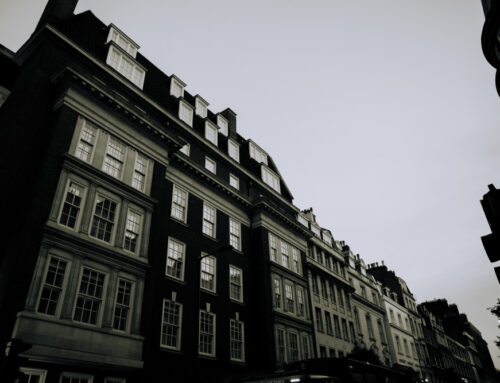
Brickwork is one of the most durable construction materials used in residential buildings. Many brick homes across the UK have stood for well over a century, surviving generations of changing weather conditions while continuing to provide structural strength and character. However, while brickwork is incredibly resilient, it is not immune to the effects of the environment.
Over time, exposure to rain, frost, wind, sunlight, pollution, and fluctuating temperatures gradually affects both bricks and mortar. These changes often happen slowly, making them easy to overlook until visible signs of deterioration begin to appear. Cracked mortar, spalling bricks, staining, damp penetration, and structural movement can all be linked to years of weather exposure.
Understanding how weather impacts brickwork is important for homeowners because early identification of problems can prevent far more costly repairs in the future. Well-maintained brickwork can last for decades, but neglected issues often become progressively worse as weather continues to exploit weaknesses within the structure.
The good news is that most weather-related brickwork problems develop gradually, providing opportunities for intervention before significant damage occurs. Regular inspection, maintenance, and timely repairs can dramatically extend the lifespan of external walls.
This guide explores how different weather conditions affect brickwork over time and explains what homeowners should look for when protecting their property.
Brickwork is designed to withstand the elements, but constant exposure inevitably leaves its mark.
Understanding how weather affects masonry helps homeowners identify problems early and maintain their property’s structural integrity.
Rain Is the Most Persistent Threat to Brickwork
Rainfall is one of the biggest contributors to long-term brickwork deterioration in the UK. While bricks are designed to resist moisture, no masonry wall is completely waterproof.
Over time, rainwater can penetrate small cracks, damaged mortar joints, and porous surfaces. Once moisture enters the structure, it creates opportunities for further weather-related damage.
The problem is often less about individual storms and more about years of repeated exposure.
Persistent moisture gradually weakens vulnerable areas.
Water often initiates the deterioration process.
Prevention begins with keeping moisture under control.
- Rain exploits weaknesses in mortar joints
- Water penetration increases deterioration risk
- Long-term exposure causes gradual wear
- Effective maintenance helps reduce moisture ingress
Freeze-Thaw Cycles Cause Significant Damage
One of the most destructive weather processes affecting brickwork is the freeze-thaw cycle.
When water enters small pores or cracks within bricks and mortar, it expands as temperatures fall below freezing. This expansion places pressure on the surrounding material.
Repeated freezing and thawing can eventually cause surfaces to crack, flake, and break apart.
The damage often develops gradually over multiple winters.
Moisture and freezing temperatures create a damaging combination.
Small defects become larger over time.
Freeze-thaw damage is common in exposed areas.
- Water expands when frozen
- Repeated cycles weaken masonry
- Cracks often worsen during winter
- Early repairs reduce long-term deterioration
Frost Can Lead to Brick Spalling
Spalling occurs when the face of a brick begins to break away, leaving rough, damaged surfaces behind.
This is often linked to moisture penetration followed by freezing conditions. As the brick face deteriorates, more moisture can enter, accelerating the problem.
Spalling not only affects appearance but can also compromise the long-term durability of the wall.
The issue often begins subtly before becoming highly visible.
Surface damage should not be ignored.
Early intervention can prevent widespread deterioration.
Spalling is often a symptom of deeper moisture problems.
- Brick faces begin to break apart
- Frost damage accelerates deterioration
- Appearance and performance are affected
- Moisture management helps reduce risk
Wind-Driven Rain Increases Exposure
Not all walls experience weather in the same way. Elevations exposed to prevailing winds often suffer greater levels of moisture penetration than more sheltered parts of the property.
Wind-driven rain forces water against masonry with greater intensity, increasing the likelihood of moisture entering small defects.
Properties in coastal or exposed locations are particularly vulnerable.
Exposure levels influence maintenance requirements.
Some walls experience significantly greater weather stress.
Location affects long-term performance.
Protection should reflect local conditions.
- Exposed walls receive greater weather impact
- Wind increases water penetration risks
- Coastal locations often experience greater wear
- Exposure influences maintenance priorities
Temperature Fluctuations Cause Expansion and Contraction
Brickwork expands and contracts as temperatures change throughout the year.
While these movements are usually small, they occur repeatedly over decades. Over time, thermal movement can contribute to cracking, mortar deterioration, and stress within the structure.
The effects are often most noticeable where movement is restricted or where existing weaknesses are present.
Buildings are constantly moving, even when the movement is invisible.
Temperature changes create ongoing stresses.
Flexibility within the structure is important.
Minor movement can become visible over time.
- Brickwork responds to temperature changes
- Repeated movement creates long-term stress
- Cracking may develop gradually
- Existing weaknesses often worsen first
Mortar Often Deteriorates Before the Bricks
In many cases, weather affects mortar joints more quickly than the bricks themselves.
Mortar is intentionally softer than brickwork and acts as a sacrificial element within the wall. Over time, rain, frost, and environmental exposure gradually erode mortar joints.
This is a normal part of the ageing process, but neglected mortar can eventually allow increased water penetration.
Mortar deterioration is often predictable.
Regular inspection helps identify issues early.
Repointing restores protection and performance.
The condition of mortar is just as important as the bricks.
- Mortar naturally weathers over time
- Eroded joints allow water ingress
- Repointing restores protection
- Early maintenance prevents larger problems
Sunlight and UV Exposure Affect Brickwork Too
While rain and frost receive most attention, prolonged exposure to sunlight also affects masonry materials.
UV radiation can gradually alter the appearance of brickwork, causing colour fading and weathering over many years.
Temperature increases caused by direct sunlight can also contribute to thermal movement.
Weathering occurs from multiple environmental sources.
Appearance changes often happen gradually.
Sun exposure affects different elevations differently.
Visual ageing is part of the weathering process.
- UV exposure affects surface appearance
- Colour changes develop gradually
- Sunlight contributes to thermal movement
- South-facing walls often weather differently
Pollution and Airborne Contaminants Accelerate Weathering
Brickwork in urban environments is often exposed to pollution, vehicle emissions, and airborne contaminants.
These substances can contribute to staining, surface deterioration, and chemical reactions that affect masonry over time.
Older buildings in particular may show evidence of decades of environmental exposure.
The environment influences more than moisture levels.
Surface contamination affects both appearance and performance.
Cleaning should be approached carefully.
Pollution-related weathering is often cumulative.
- Airborne pollutants affect masonry surfaces
- Staining can develop over time
- Environmental exposure varies by location
- Appropriate maintenance helps preserve appearance
Vegetation Can Increase Moisture Retention
Plants growing close to walls can create additional moisture-related challenges.
Climbing vegetation, overgrown shrubs, and poorly managed landscaping can trap moisture against brickwork, slowing drying and increasing weather exposure.
While vegetation can enhance appearance, it should be managed carefully.
Moisture retention often increases deterioration risks.
Airflow around walls remains important.
Plant growth should not compromise masonry performance.
Maintenance supports both aesthetics and durability.
- Vegetation can trap moisture against walls
- Reduced airflow slows drying
- Roots may exploit existing weaknesses
- Regular management helps prevent issues
Damaged Brickwork Often Leads to Damp Problems
As weather-related deterioration progresses, moisture becomes increasingly able to penetrate the building envelope.
Damaged mortar, cracked bricks, and failed pointing can all contribute to internal damp issues.
What begins as an external maintenance problem can eventually affect internal living conditions.
The building envelope relies on multiple components working together.
External defects should not be ignored.
Small issues often lead to larger consequences.
Weatherproofing supports indoor comfort.
- Damaged masonry increases moisture ingress
- Internal damp can result from external defects
- Early repairs protect the building envelope
- Prevention is more effective than remediation
Poor Maintenance Accelerates Weather Damage
Weathering is inevitable, but poor maintenance often magnifies its effects significantly.
Minor issues that could have been repaired easily may become major structural repairs when left unresolved for years.
Regular inspection allows homeowners to identify developing problems before they escalate.
Maintenance is one of the most effective forms of protection.
Small repairs often prevent major expenses.
Early intervention improves long-term performance.
Proactive care extends building lifespan.
- Regular inspections identify issues early
- Minor repairs prevent larger problems
- Maintenance protects structural integrity
- Ongoing care improves longevity
Repointing Plays a Critical Protective Role
Repointing is one of the most important maintenance activities for ageing brickwork.
By replacing deteriorated mortar, repointing restores weather resistance and helps prevent moisture penetration.
The timing of repointing can significantly influence the lifespan of masonry walls.
Mortar joints form a key part of the weather defence system.
Professional assessment helps determine when work is needed.
Good repointing improves both appearance and protection.
It is often one of the most cost-effective masonry repairs.
- Replaces weathered mortar joints
- Improves resistance to water ingress
- Extends the lifespan of brickwork
- Supports structural performance
Different Bricks Weather at Different Rates
Not all brickwork responds to weather in the same way.
Brick composition, manufacturing methods, age, and quality all influence durability and resistance to environmental exposure.
Some older bricks may weather beautifully over time, while others become more vulnerable to deterioration.
Material characteristics matter significantly.
Weathering rates vary between properties.
Understanding the building’s materials supports better maintenance decisions.
Age alone does not determine performance.
- Brick quality affects durability
- Different materials weather differently
- Age is only one influencing factor
- Assessment should consider specific brick types
Professional Inspections Help Identify Problems Early
Many weather-related brickwork issues begin subtly and are easily missed by untrained eyes.
Professional inspections can identify developing concerns before they become expensive repairs.
Regular assessments are particularly valuable for older properties and buildings in exposed locations.
Early diagnosis improves outcomes.
Preventative maintenance reduces long-term costs.
Professional expertise supports informed decision-making.
Monitoring helps protect valuable assets.
- Identify issues before significant deterioration occurs
- Assess structural and cosmetic concerns
- Support proactive maintenance planning
- Reduce the risk of major repairs
Conclusion
Weather affects brickwork continuously throughout the life of a building. Rain, frost, wind, temperature fluctuations, sunlight, pollution, and moisture all contribute to gradual changes in both bricks and mortar.
While these processes are natural, they should not be ignored. Many of the most serious masonry problems begin as relatively minor defects that worsen over time when exposed to ongoing weather conditions. Cracked mortar, moisture ingress, spalling bricks, and structural deterioration are often the result of years of cumulative exposure.
The good news is that brickwork is remarkably durable when maintained properly. Regular inspections, timely repairs, effective drainage, and appropriate repointing can significantly extend the lifespan of masonry walls and preserve both appearance and structural integrity.
Ultimately, weathering is unavoidable, but serious deterioration is often preventable. By understanding how the environment impacts brickwork over time, homeowners can take proactive steps to protect their property and avoid costly repairs in the future.