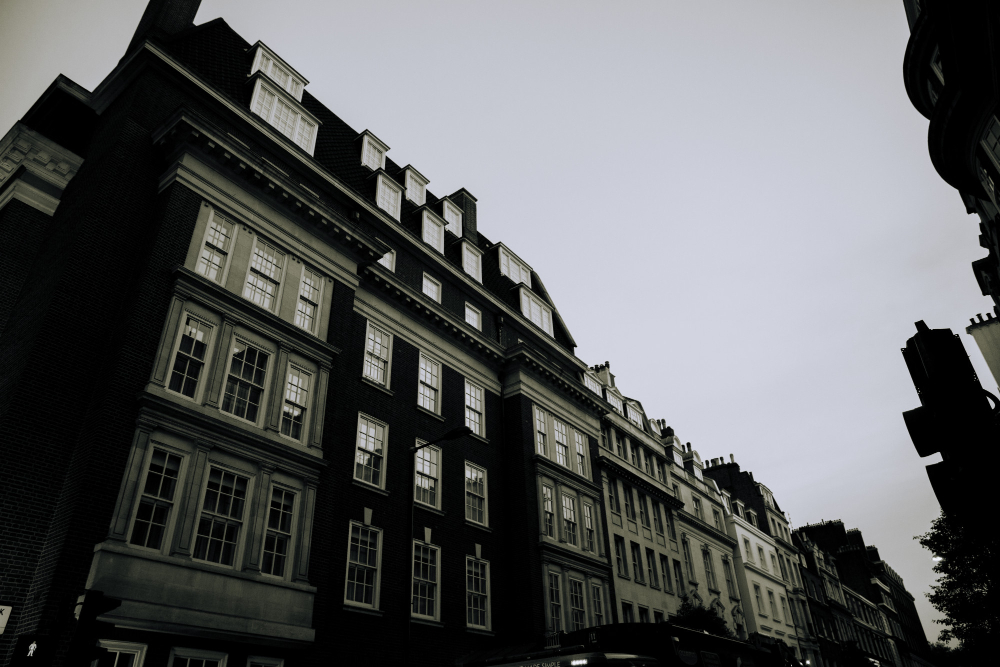
Period properties are among the most desirable homes in the UK. Their character, craftsmanship, generous proportions, and architectural details often make them stand out from newer developments. From Victorian terraces and Edwardian semi-detached homes to Georgian townhouses and traditional cottages, older properties possess a unique charm that continues to attract homeowners.
However, living in an older property also means accepting that buildings naturally change over time. One of the biggest concerns many homeowners have is structural movement. Cracks appearing in walls, uneven floors, sticking doors, or gaps around windows can understandably cause alarm, with many people immediately fearing serious structural failure.
In reality, structural movement is not always a sign that something is dangerously wrong. All buildings move to some extent. Period properties have often experienced decades or even centuries of settlement, seasonal expansion and contraction, environmental changes, and alterations carried out by previous owners. The key is understanding which movement is considered normal and which signs indicate that further investigation may be required.
By recognising how older buildings behave and understanding the causes of structural movement, homeowners can make informed decisions, avoid unnecessary worry, and identify genuine problems before they become more serious.
This guide explains structural movement in period properties, explores its most common causes, and highlights the warning signs that should never be ignored.
Older buildings were designed to move differently from modern homes, and understanding that behaviour is an important part of owning a period property.
Not every crack indicates structural failure, but every sign of movement deserves careful observation.
All Buildings Experience Some Degree of Movement
One of the biggest misconceptions is that buildings should remain perfectly static throughout their lifetime. In reality, every property moves to some extent.
Temperature changes, moisture fluctuations, wind loading, seasonal ground movement, and the natural ageing of materials all contribute to small amounts of structural movement.
In many period properties, this movement has been occurring gradually for well over a century without compromising structural stability.
Movement becomes a concern only when it exceeds what the building can comfortably accommodate.
Small changes are often entirely normal.
Buildings respond continuously to their environment.
Understanding this helps place visible defects into context.
- All buildings naturally move over time
- Seasonal movement is often expected
- Minor changes are usually not unusual
- Context is important when assessing defects
Settlement Is Often Misunderstood
Settlement occurs as a building gradually adjusts to the ground beneath it.
Most settlement happens relatively early in a property’s life, but older buildings may continue to experience very small adjustments over many decades as surrounding ground conditions change.
Historic settlement is not necessarily evidence of ongoing structural failure.
Many period homes have settled successfully for generations.
Older cracks may simply reflect historic movement.
Age alone does not indicate instability.
Assessment should focus on current behaviour.
- Settlement often occurs naturally
- Historic movement may no longer be active
- Older cracks may be long established
- Ongoing monitoring is important
Seasonal Moisture Changes Affect Foundations
One of the most common causes of movement in period properties is seasonal variation in ground moisture.
During dry summers, certain clay soils shrink as moisture levels reduce. In wetter periods, those same soils expand again.
This continual cycle can cause small movements in foundations, particularly where trees or vegetation influence moisture levels.
Ground conditions change throughout the year.
Foundations respond to soil behaviour.
Movement may vary seasonally.
Climate influences structural performance.
- Clay soils expand and contract
- Seasonal weather affects foundations
- Trees can influence soil moisture
- Ground movement often follows weather patterns
Temperature Causes Expansion and Contraction
Brickwork, stone, timber, steel, and other building materials all expand when warm and contract when temperatures fall.
Although individual movements are usually very small, repeated cycles over decades can contribute to cracking and movement around joints.
Period properties often contain a wide variety of traditional materials that respond differently to environmental changes.
Thermal movement is entirely natural.
Different materials behave differently.
Minor expansion should generally be expected.
Good detailing accommodates movement.
- Building materials respond to temperature
- Expansion and contraction occur continuously
- Different materials move at different rates
- Minor thermal movement is normal
Traditional Materials Behave Differently
Many period properties were built using lime mortar, soft brick, timber frames, and traditional construction methods.
These materials were often designed to flex and accommodate movement rather than resist it completely.
Problems sometimes arise when inappropriate modern materials are introduced during repairs.
Traditional buildings often need traditional solutions.
Flexibility was part of the original design.
Modern materials can alter building behaviour.
Compatibility is extremely important.
- Lime mortar allows controlled movement
- Traditional construction often remains flexible
- Incompatible repairs can create problems
- Material choice affects long-term performance
Tree Roots Can Influence Structural Movement
Large trees growing close to period properties sometimes contribute to structural movement by affecting soil moisture.
Roots themselves rarely damage foundations directly, but they can significantly alter moisture levels in shrinkable clay soils.
This influence is often most noticeable during prolonged dry weather.
Trees require careful consideration.
The relationship between vegetation and buildings is complex.
Management should be based on professional assessment.
Removal is not always the correct solution.
- Trees affect surrounding soil moisture
- Clay soils are particularly sensitive
- Root influence varies by species and distance
- Professional advice is recommended
Drainage Problems Can Destabilise Ground Conditions
Leaking drains, damaged water pipes, and poor surface drainage can gradually change the moisture content of surrounding ground.
Persistent water leakage may soften supporting soils, increasing the likelihood of localised movement.
Drainage problems often develop slowly before becoming apparent.
Water management protects structural stability.
Hidden leaks can affect foundations.
Ground conditions should remain consistent.
Maintenance supports long-term performance.
- Inspect drainage systems regularly
- Repair leaking pipes promptly
- Prevent water pooling near foundations
- Maintain effective surface drainage
Previous Alterations May Affect Stability
Many period properties have undergone multiple alterations during their lifetime.
Walls may have been removed, extensions added, chimneys altered, or structural elements modified.
Not all historic work will have been completed to modern standards, making previous alterations an important part of any structural assessment.
The building’s history matters.
Past work influences current behaviour.
Older modifications deserve careful evaluation.
Understanding previous changes improves diagnosis.
- Review previous structural alterations
- Assess historical building modifications
- Identify unsupported changes where necessary
- Consider cumulative structural effects
Cracks Do Not Always Mean Structural Failure
Cracking is one of the most common concerns for homeowners, but not all cracks indicate serious structural movement.
Hairline plaster cracks may result from normal settlement, thermal movement, or shrinkage rather than foundation problems.
The size, location, direction, and progression of cracks provide valuable clues.
Pattern matters more than appearance alone.
Some cracks remain unchanged for decades.
Monitoring helps identify active movement.
Professional assessment provides reassurance.
- Assess crack width and pattern
- Monitor whether cracks continue growing
- Distinguish cosmetic from structural defects
- Seek advice if movement appears active
Doors and Windows Can Reveal Movement
Changes in how doors and windows operate sometimes provide early indications of structural movement.
Frames that begin sticking, twisting, or developing uneven gaps may suggest that parts of the building are moving.
However, seasonal timber movement can also produce similar symptoms.
Multiple signs should always be considered together.
Individual symptoms rarely tell the full story.
Patterns provide better evidence.
Context remains essential.
- Monitor changes in door operation
- Check window alignment regularly
- Look for developing distortion
- Assess alongside other indicators
Chimneys Often Show Signs of Movement First
Chimneys are particularly exposed structures and frequently display early signs of structural movement.
Their height, exposure to weather, and concentrated loading make them vulnerable to cracking and deterioration.
Regular inspection helps identify problems before they become significant.
Chimneys require ongoing maintenance.
Weather exposure accelerates wear.
Visible defects deserve investigation.
Safety should always remain a priority.
- Inspect chimney brickwork regularly
- Check flashing and pointing condition
- Monitor visible cracking
- Address maintenance promptly
Moisture Can Exacerbate Existing Weaknesses
Water penetration rarely causes structural movement by itself, but it can worsen existing defects.
Repeated wetting and drying, frost action, and timber decay all reduce structural performance over time.
Protecting the building envelope helps preserve stability.
Moisture management remains essential.
Small defects become more vulnerable when wet.
Weather protection supports structural health.
Maintenance reduces long-term risk.
- Prevent water ingress wherever possible
- Maintain roofs and gutters
- Repair damaged pointing promptly
- Protect structural timber from moisture
Monitoring Is Often Better Than Guessing
Many homeowners react immediately when they notice movement, but observation is often more valuable than assumptions.
Photographs, measurements, crack monitoring, and professional inspections help establish whether movement is historic, seasonal, or ongoing.
Evidence supports better decisions.
Monitoring reduces unnecessary worry.
Patterns emerge over time.
Objective information guides appropriate action.
Professional advice adds clarity.
- Photograph visible defects regularly
- Record crack measurements
- Monitor changes over time
- Base decisions on evidence
When Professional Investigation Is Needed
While much structural movement is harmless, some situations require prompt professional assessment.
Rapidly widening cracks, noticeable structural distortion, significant floor movement, or widespread changes affecting multiple parts of the property should never be ignored.
Early investigation often prevents larger problems developing.
Professional assessment provides reassurance.
Serious issues are easier to manage when identified early.
Timely action protects both safety and value.
Expert diagnosis removes uncertainty.
- Investigate significant or changing cracks
- Assess widespread movement promptly
- Seek structural engineering advice where appropriate
- Address serious concerns without delay
Conclusion
Structural movement is a normal part of the life of most period properties. Over decades or centuries, buildings naturally respond to changing temperatures, moisture levels, ground conditions, and the ageing of construction materials. Understanding this behaviour helps homeowners distinguish between expected movement and signs of more significant structural concerns.
Most period homes continue to perform exceptionally well despite displaying small cracks, slight movement, or evidence of historic settlement. These characteristics often reflect the natural evolution of the building rather than imminent structural failure.
The key is careful observation, appropriate maintenance, and professional assessment when necessary. Regular inspections, prompt repairs, and a good understanding of how traditional buildings behave allow homeowners to protect both the character and structural integrity of their property.
Ultimately, owning a period home means appreciating that movement is often part of its history rather than a sign of its weakness. With informed maintenance and sensible management, these buildings can continue standing strong for many generations to come.