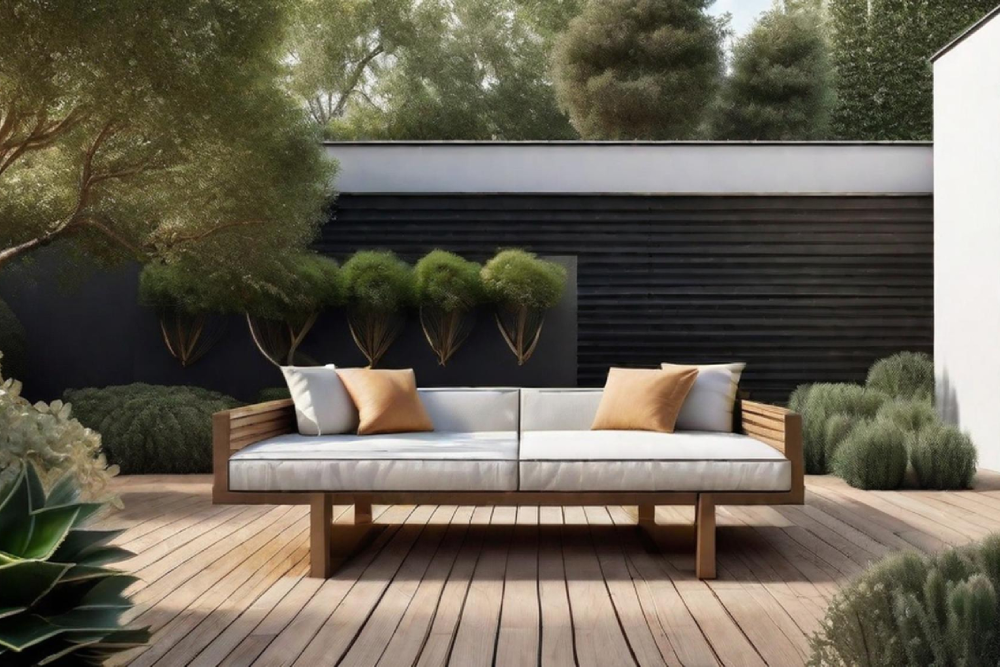
Outdoor living has become an increasingly important part of modern home design. Homeowners are no longer viewing gardens simply as areas of lawn, planting, and occasional seating. Instead, outdoor spaces are being designed as genuine extensions of the home, providing places to relax, entertain, dine, work, and spend time with family throughout much of the year.
This shift in thinking has created significant opportunities for homeowners looking to improve both their lifestyle and their property’s value. A well-designed outdoor living space can make a home feel larger, more functional, and more appealing to future buyers. In many cases, outdoor improvements can deliver substantial returns because they enhance the way people experience the property on a daily basis.
However, not all outdoor investments provide the same level of benefit. The most valuable outdoor spaces are those that combine practicality, durability, visual appeal, and year-round usability. Simply adding features without considering how they integrate with the home often produces disappointing results.
The best outdoor living areas feel connected to the property rather than separate from it. They support modern lifestyles, maximise available space, and create environments that encourage people to spend more time outside.
This guide explores the outdoor living spaces that can add value to your home and explains why thoughtful design is often more important than the size of the investment itself.
Value is not created by adding outdoor features alone. It is created by improving how the property functions and feels.
The most successful outdoor spaces enhance everyday living while increasing the overall appeal of the home.
Create a Seamless Indoor-Outdoor Connection
One of the most valuable improvements a homeowner can make is strengthening the connection between the house and the garden.
When internal living spaces flow naturally into outdoor areas, the property feels larger and more versatile. Large glazed openings, carefully designed thresholds, and consistent materials help blur the distinction between inside and outside.
This sense of continuity can dramatically improve how both spaces are perceived.
Flow is a key component of modern living.
Connected spaces feel more functional and inviting.
The garden becomes an extension of the home.
Integration often matters more than size.
- Improve access between house and garden
- Create visual continuity between spaces
- Use complementary materials and finishes
- Strengthen the sense of openness
Invest in a Quality Patio or Terrace
A well-designed patio remains one of the most effective outdoor investments.
Patios provide versatile spaces for dining, entertaining, relaxing, and family activities. When properly planned, they become central hubs within the garden.
The quality of design, materials, and positioning all influence long-term value.
Usable outdoor surfaces encourage more frequent use.
Location is just as important as construction quality.
A good patio supports multiple activities.
Durability contributes to long-term appeal.
- Create functional outdoor gathering areas
- Choose durable paving materials
- Position patios to maximise usability
- Design for both relaxation and entertaining
Add a Pergola for Flexible Shelter
Pergolas have become increasingly popular because they provide structure, character, and flexible weather protection.
Unlike fully enclosed structures, pergolas create defined outdoor rooms while maintaining a connection to the surrounding environment.
Modern pergolas can incorporate adjustable roofs, lighting, heating, and shading systems.
Shelter extends the usability of outdoor spaces.
Defined areas often feel more purposeful.
Pergolas enhance both aesthetics and functionality.
Flexibility increases long-term value.
- Create structured outdoor living zones
- Provide shade and weather protection
- Enhance visual appeal
- Extend seasonal usability
Build a Veranda for Year-Round Enjoyment
A veranda offers a covered outdoor area directly connected to the property.
The shelter provided by a veranda allows homeowners to enjoy outdoor spaces in a wider range of weather conditions, making it particularly suited to the UK climate.
Covered areas often become some of the most frequently used parts of the garden.
Weather protection improves usability significantly.
Outdoor spaces become more reliable.
Covered areas support year-round enjoyment.
Practicality adds value.
- Create sheltered outdoor seating areas
- Improve usability during wet weather
- Strengthen links to the house
- Encourage year-round outdoor living
Design an Outdoor Dining Space
Dining outdoors remains one of the most appealing ways to use a garden.
Dedicated outdoor dining areas help create memorable experiences while enhancing the functionality of the property.
Good design should consider access, shelter, lighting, and proximity to the kitchen.
Convenience influences how often the space is used.
Purpose-built areas feel more inviting.
Dining spaces support entertaining and family life.
Functionality should guide layout decisions.
- Create dedicated outdoor dining zones
- Position seating conveniently
- Incorporate weather protection where possible
- Support social and family activities
Introduce an Outdoor Kitchen
Outdoor kitchens have become increasingly desirable in recent years.
While they require greater investment than simple dining areas, they can significantly enhance outdoor entertaining and improve the overall appeal of the property.
The best outdoor kitchens are designed around practical use rather than visual impact alone.
Cooking becomes part of the social experience.
Outdoor kitchens encourage longer gatherings.
Quality design improves functionality.
Durability is particularly important.
- Incorporate practical cooking facilities
- Design for entertaining and socialising
- Use weather-resistant materials
- Create convenient food preparation areas
Create a Garden Room
Garden rooms offer flexible additional space without altering the main house.
They can function as offices, studios, gyms, hobby rooms, guest accommodation, or relaxation spaces depending on household needs.
Their versatility often makes them attractive to prospective buyers.
Additional usable space increases flexibility.
Separate buildings can support multiple functions.
Adaptability enhances value.
Modern garden rooms appeal to a wide audience.
- Add versatile independent space
- Support changing lifestyle requirements
- Create opportunities for home working
- Improve overall property functionality
Improve Outdoor Lighting
Lighting can completely transform how a garden feels after dark.
Well-designed outdoor lighting improves safety, highlights key features, and extends the usability of outdoor living spaces.
Layered lighting schemes often provide the best results.
Outdoor environments should not disappear after sunset.
Lighting enhances atmosphere and functionality.
Flexibility supports different activities.
Thoughtful design creates stronger visual impact.
- Illuminate seating and circulation areas
- Highlight landscaping features
- Improve safety and accessibility
- Extend evening usability
Incorporate Built-In Seating
Built-in seating can improve both the appearance and functionality of outdoor spaces.
Unlike movable furniture, integrated seating often feels more permanent and intentional.
It can also help maximise available space in smaller gardens.
Practical design improves usability.
Permanent features create stronger visual cohesion.
Built-in elements often require less maintenance.
Seating should support social interaction.
- Maximise available outdoor space
- Create permanent gathering areas
- Improve visual integration
- Support entertaining and relaxation
Design for Privacy
Privacy is one of the most valued qualities in any outdoor space.
Even beautifully designed gardens can feel uncomfortable if neighbouring properties overlook key seating and entertaining areas.
Thoughtful screening can improve comfort without making the space feel enclosed.
Privacy encourages greater use.
Comfort affects how people experience a garden.
Balance is important.
Screening should feel natural rather than defensive.
- Create private seating areas
- Use planting and structures strategically
- Reduce overlooking where possible
- Improve comfort and enjoyment
Enhance Landscaping Quality
Well-designed landscaping contributes significantly to the overall perception of value.
Planting, pathways, borders, and garden structure help create cohesive outdoor environments that complement the property.
Landscaping should support outdoor living rather than compete with it.
Gardens benefit from thoughtful composition.
Visual appeal influences first impressions.
Planting adds texture and seasonal interest.
Quality landscaping strengthens overall design.
- Create cohesive planting schemes
- Improve visual structure throughout the garden
- Enhance seasonal interest
- Support long-term garden appeal
Create Multi-Functional Outdoor Zones
The most successful gardens often contain multiple zones designed for different activities.
Dining, relaxing, entertaining, working, and children’s play can coexist effectively when the layout is planned carefully.
Zoning helps maximise functionality.
Different activities require different environments.
Organisation improves usability.
Well-structured gardens feel larger and more versatile.
Purposeful layouts create better experiences.
- Separate key activity areas
- Support multiple lifestyle needs
- Improve overall functionality
- Maximise available space
Add Features That Extend Seasonal Use
Outdoor spaces add greater value when they remain usable beyond the height of summer.
Heating, shelter, wind protection, and lighting can all help extend the outdoor season.
The more frequently a space can be used, the greater its practical value.
Seasonal flexibility improves return on investment.
Weather should not limit enjoyment unnecessarily.
Comfort encourages regular use.
Practicality supports long-term appeal.
- Add outdoor heating where appropriate
- Improve weather protection
- Enhance comfort during cooler months
- Increase annual usability
Focus on Quality Rather Than Quantity
A common mistake is trying to include too many features within a limited space.
Well-executed outdoor living areas often outperform larger but poorly planned gardens filled with disconnected elements.
Quality design creates stronger results than excessive complexity.
Restraint often improves usability.
Purposeful spaces feel more valuable.
Every feature should contribute meaningfully.
Design should prioritise experience over quantity.
- Invest in fewer high-quality elements
- Avoid overcrowding the garden
- Prioritise usability and cohesion
- Focus on long-term performance
Conclusion
Outdoor living spaces have become an increasingly important part of modern home design, offering opportunities to improve both lifestyle and property value. From patios and pergolas to garden rooms and outdoor kitchens, the right improvements can transform how a property functions and feels.
The most successful outdoor spaces are those that integrate naturally with the home, support everyday activities, and remain usable throughout much of the year. Thoughtful planning, quality materials, and practical design choices often deliver far greater value than simply adding features for the sake of it.
Homeowners should focus on creating spaces that encourage regular use rather than occasional novelty. The outdoor areas that add the most value are typically the ones that become a genuine part of daily life.
Ultimately, a well-designed outdoor living space does more than improve a garden. It enhances the entire property, creating a more enjoyable, flexible, and desirable home for years to come.